I remember the moment clearly — my dishwasher suddenly stopped mid-cycle, and I was faced with the sinking feeling that I might need an expensive repair or even a full replacement. It’s a frustrating experience that many homeowners face but often feel unsure about how to tackle effectively. That lightbulb moment hit me when I realized that understanding the nuances of *Smart Dishwasher Parts* and how to leverage warranty protections could make all the difference.
Why Knowing Your Dishwasher Parts Can Save You Money and Stress
In my early days of appliance maintenance, I made a costly mistake: I replaced an entire dishwasher because I didn’t recognize a minor component that was causing the problem. That avoidable blunder could have been a simple fix if I had just understood more about the specific parts involved in my model. Did you know that nearly 70% of dishwasher failures are linked to a handful of common components that can be diagnosed and replaced easily? Recognizing these parts and knowing the right installation strategies can prolong your appliance’s lifespan and prevent costly repairs.
If you’ve ever experienced a sudden breakdown or wondered if your warranty will cover a repair, you’re not alone. Navigating warranty policies and selecting the right replacement parts can be confusing without proper guidance. Fortunately, I found that by mastering a few key concepts — like understanding the essential parts to check during installation and how to maximize warranty benefits — I could handle most issues myself and avoid unnecessary service calls.
Want to avoid the hassle and expenses that come with faulty dishwasher repairs? Today, I’ll share proven strategies, insider tips, and reliable resources to help you confidently tackle installation and repairs. Let’s dive into what can make or break your dishwasher’s long-term performance.
Is it really worth investing time in understanding dishwasher parts and warranties?
Honestly, I used to think these details were too technical for a homeowner. But early on, I learned that making a mistake — like choosing the wrong part or neglecting warranty coverage — can cost hundreds in unnecessary repairs. A key mistake I made was ignoring the detailed features of my dishwasher’s warranty, which led to delays and extra expenses. To avoid repeating my mistake, I started exploring trusted resources that shed light on the nuances of *parts-to-check* and proper installation, such as the comprehensive guides available on trusted sites like Appliance Doctorz.
Understanding this vital information not only keeps your dishwasher operating smoothly but also ensures you’re maximizing your warranty protections, which can be a game-changer in long-term maintenance. If you’re ready to take control of your appliance’s health and reduce unexpected costs, continue reading. I’ll walk you through the most important steps, starting with familiarizing yourself with the key components your dishwasher depends on every day.
Identify Key Parts Before Installation
Start by familiarizing yourself with your dishwasher’s essential components, such as the pump, motor, and spray arms. For a clear understanding of these parts and how they function together, visit the comprehensive guide on understanding dishwasher parts. This knowledge helps you recognize what to check during installation and troubleshooting, saving you time and money. I once inspected my new dishwasher, referencing this resource, which guided me to correctly position the spray arms — resulting in better cleaning and fewer issues down the line.
Prepare Your Installation Site Carefully
Ensure the space where your dishwasher will sit is level, stable, and free of obstructions. Think of this step as setting a foundation for a house; a shaky base causes problems later. Use a spirit level to check the surface and adjust the feet as needed. Proper leveling can prevent leaks and mechanical failures. I learned this the hard way when my first setup caused water to pool; after leveling the unit following reliable tips, everything functioned smoothly. For detailed steps, refer to parts to check during installation.
Select the Right Parts for Longevity
Choosing high-quality, compatible parts is crucial. Use trusted sources like tips for selecting parts to ensure durability. When replacing components, verify their specifications match your model. I once installed a generic valve, which caused persistent leaks; switching to an OEM part eliminated the problem. Always ensure your parts are covered under warranty to protect your investment. For a complete list of warranty-covered parts, check warranty coverage info.
Secure Connections Like a Pro
Properly connecting water lines, drain hoses, and electrical wiring is vital. Picture these connections as the arteries and nerves of your dishwasher — if they’re not sealed correctly, the entire system is compromised. Tighten fittings securely but avoid over-tightening, which can strip threads. I used a torque wrench for precision, preventing leaks and ensuring safety. For detailed connection techniques, see common parts and their roles.
Test Your Setup Before Full Use
Run a short cycle to check for leaks or abnormal noises. Think of this step as a dress rehearsal — catching issues early saves costly repairs later. During my test run, I noticed a small leak at the inlet valve; quick adjustment fixed it before making a mess or damaging the floor. If problems arise, refer to diagnosing parts during warranty to troubleshoot effectively.
Maximize Warranty Benefits and Protection
Register your appliance promptly to activate warranty coverage. Familiarize yourself with policies like the warranty guide to understand what parts are covered and how to claim repairs swiftly. In my experience, documenting the installation and maintenance process with photos expedited warranty claims and ensured smooth service. Always keep receipts and registration details accessible, so you’re prepared if issues arise, and review the top warranty policies for your model to know your rights and options.Many homeowners assume that choosing the right dishwasher and following standard installation steps suffices for long-term reliability, but there’s more beneath the surface. A common misconception is that all warranty policies cover every repair, yet many are riddled with fine print that excludes crucial parts or conditions, leading to costly surprises when things go wrong. For instance, some believe that installing generic parts guarantees savings, but in reality, OEM (Original Equipment Manufacturer) components often outperform cheaper alternatives in durability and warranty coverage. Rushing through installation without understanding the nuanced roles of each component can cause early failures, even if the parts are brand-new. An overlooked detail is the importance of proper water line connections; improper fittings can cause leaks or poor cleaning performance, which might be mistaken for a faulty motor or other expensive issues. Advanced homeowners recognize that a small mistake during installation, such as over-tightening fittings, can compromise the entire system and void warranties. Moreover, many assume that the warranty period alone ensures peace of mind, but neglecting to register the appliance or understand its specific coverage can reduce your protection when you need it most. According to industry expert tips, the key to long-lasting performance lies in selecting high-quality parts, detailed adherence to installation protocols, and proactive warranty registration. Curious about what most people get wrong about the hidden nuances? Let’s explore this further. Renters and homeowners alike often underestimate the importance of detailed specification checks—such as verifying part compatibility with your specific model—which can prevent incompatible parts from causing damage or voiding warranties. The misadventure of using a mismatched spray arm or improper electrical connection can lead to performance issues that are not immediately obvious and are frequently misdiagnosed as motor failure. To avoid these pitfalls, it’s advisable to consult trusted resources like comprehensive installation checks and understanding key parts. Remember, the devil is in the details, and a meticulous approach to installation and warranty awareness can save you hundreds in future repairs. Don’t let these hidden nuances sneak up on you—be proactive. Have you ever fallen into this trap? Let me know in the comments.
Tools That Keep Your Dishwasher in Top Shape
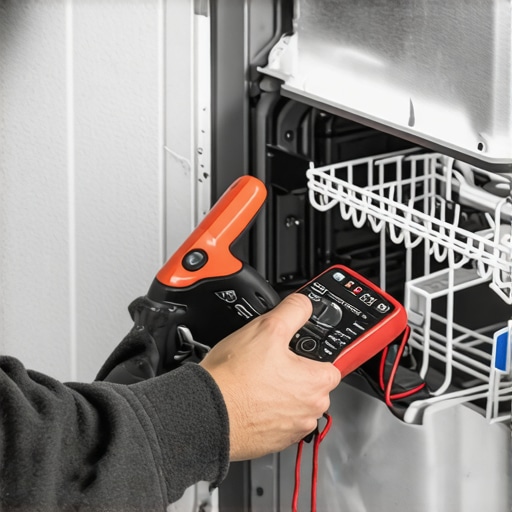
Investing in the right equipment is essential for maintaining your dishwasher’s performance over time. I personally rely on a high-quality digital multimeter from Fluke, as it allows me to accurately diagnose electrical issues like faulty wiring or worn-out switches. A good multimeter not only saves time but also helps prevent the risk of electrical hazards. Additionally, I use an ultrasonic cleaner to safely remove mineral buildup from spray arms and filters, ensuring consistent cleaning performance. This proactive approach reduces the need for major repairs and keeps the appliance operating efficiently.
For routine inspections, I utilize a flexible, telescoping inspection mirror, which grants me access to hard-to-see components underneath the dishwasher. Paired with a flashlight, this tool makes it easier to spot leaks, corrosion, or loose connections early. Over the years, I’ve also adopted a set of mini screwdrivers and pliers with ergonomic handles to simplify disassembly during maintenance. Having precise tools tailored for small appliance parts ensures you won’t risk damaging delicate components, extending the lifespan of your dishwasher.
Efficiency Through Technology and Software
Beyond physical tools, I recommend using diagnostic apps compatible with smart dishwashers. These apps provide real-time data, error codes, and troubleshooting guidance, making maintenance more manageable. For instance, connecting your dishwasher to a Wi-Fi-enabled device allows you to track cycle performance and receive alerts about potential issues before they escalate. This predictive maintenance approach leverages technology to prevent costly breakdowns and ensures your appliance stays reliable long-term.
How do I keep my dishwasher performing well over time?
Regularly scheduled inspections and cleaning are your best defense. I set a monthly reminder to check critical parts like the inlet valve, filter, and spray arms by referencing trusted resources such as parts to check during installation. Ensuring these components are free of debris and functioning correctly prevents minor issues from snowballing into major repairs. Additionally, using manufacturer-approved detergents and rinse aids minimizes mineral buildup and corrosion, protecting the internal parts. Don’t forget to keep your warranty documentation updated and register your device if required; this way, you can quickly access professional support or replacements when necessary.
Looking ahead, I predict that smart diagnostics and IoT integration will become standard features, enabling even more proactive maintenance. As these technologies evolve, homeowners will be empowered to detect problems early via simple app notifications, significantly reducing downtime and repair costs. From my experience, adopting diagnostic tools and scheduling routine checks now means fewer surprises in the future.
If you want to take your maintenance routine to the next level, try implementing a regular inspection with a digital multimeter and your smartphone’s diagnostic app. These tools will give you immediate insights into your dishwasher’s health and help you catch issues before they escalate. Remember, staying ahead with proactive maintenance is the key to keeping your dishwasher running smoothly for years to come.
What I Wish I Knew Before Diving Into Dishwasher Repairs
- One powerful lesson was realizing that most dishwasher failures stem from a handful of familiar parts. Recognizing these early can save you time and money, especially if you understand how to diagnose and replace them yourself. I once thought a noisy dishwasher meant a bad motor, but it turned out to be a clogged spray arm. Learning to identify specific problem areas made all the difference.
- Another insight was the importance of knowing your warranty details. Many homeowners overlook registration or fine print, risking coverage gaps. After registering my appliance and understanding what parts are covered, I avoided costly repairs on minor issues, thanks to timely warranty claims.
- My third revelation involved tools. Investing in quality diagnostic tools, like a multimeter and inspection mirror, transformed maintenance from guesswork into precision work. These tools empowered me to detect issues early, preventing major breakdowns and extending my dishwasher’s lifespan.
- Finally, I discovered that proactive maintenance and proper installation are key. Regular cleaning, correct leveling, and using recommended parts ensure consistent performance. This approach not only keeps the dishwasher running smoothly but also fortifies warranty protections—an unbeatable combo for long-term reliability.
Tools and Resources That Changed My Approach
- Start with understanding dishwasher parts to grasp component functions. It’s the cornerstone for effective troubleshooting.
- Use installation checklists to ensure your setup minimizes future issues and maximizes warranty coverage.
- Choose high-quality OEM parts from trusted suppliers. Their durability and compatibility reduce the risk of leaks or failures, saving you money and stress.
- Keep your warranty details handy and activate registration promptly. This simple step provides peace of mind and quick access to repairs when needed.
- Leverage diagnostic apps compatible with smart dishwashers to monitor performance and catch issues early. Technology like this transforms maintenance from reactive to proactive.
Your Next Step in Dishwasher Confidence
Empowered with knowledge about parts, installation, and warranties, you’re now equipped to handle most issues with confidence. Taking these proactive steps can turn maintenance from a dreaded task into a rewarding experience. The smart homeowner recognizes that investing time in understanding their dishwasher pays off through fewer repairs, longer appliance life, and better performance. So, why not start today? Dive into trusted resources, review your warranty, and make small improvements—you’ll be amazed at the results.
What experience have you had with diagnosing or maintaining your dishwasher? Share your stories or questions below—let’s learn together.
|}|}’}#}#}#}#}#}#}#}#}#}#}#}#}#}#}#}#}#}#}#}#}#}#}#}#}#}#}#}#}#}#}#}#}#}#}#}#}#}#}#}#}#}#}#}#}#}#}#}#}#}#}#}#}#}#}#}#}#}#}#}#}#}#}#}#}#}#}#}#}#}#}#}#}#}#}#}#}#}#}#}#}#}#}#}#}#}#}#}#}#}#}#}#}#}#}#}#}#}#}#}#}#}#}#}#}#}#}#}#}#}#}#}#}#}#}#}#}#}#}#}#}#}#}#}#}#}#}#}#}#}#}#}#}#}#}#}#}#}#}#}#}#}#}#}#}#}#}#}#}#}#}#}#}#}#}#}#}#}#}#}#}#}#}#}#}#}#}#}#}#}#}#}#}#}#}#}#}#}#}#}#}#}#}#}#}#}#}#}#}#}#}#}#}#}#}#}#}#}#}#}#}#}#}#}#}#}#}#}#}#}#}#}#}#}#}#}#}#}#}#}#}#}#}#}#}#}#}#}#}#}#}#}#}#}#}#}#}#}#}#}#}#}#}#}#}#}#}#}#}#}#}#}#}#}#}#}#}#}#}#}#}#}#}#}#}#}#}#}#}#}#}#}#}#}#}#}#}#}#}#}#}#}#}#}#}#}#}#}#}#}#}#}#}#}#}#}#}#}#}#}#}#}#}#}#}#}#}#}#}#}#}#}#}#}#}#}#}#}#}#}#}#}#}#}#}#}#}#}#}#}#}#}#}#}#}#}#}#}#}#}#}#}#}#}#}#}#}#}#}#}#}#}#}#}#}#}#}#}#}#}#}#}#}#}#}#}#}#}#}#}#}#}#}#}#}#}#}#}#}#}#}#}#}#}#}#}#}#}#}#}#}#}#}#}#}#}#}#}#}#}#}#}#}#}#}#}#}#}#}#}#}#}#}#}#}#}#}#}#}#}#}#}#}#}#}#}#}#}#}#}#}#}#}#}#}#}#}#}#}#}#}#}#}#}#}#}#}#}#}#}#}#}#}#}#}#}#}#}#}#}#}#}#}#}#}#}#}#}#}#}#}#}#}#}#}#}#}#}#}#}#}#}#}#}#}#}#}#}#}#}#}#}#}#}#}#}#}#}#}#}#}#}#}#}#}#}#}#}#}#}#}#}#}#}#}#}#}#}#}#}#}#}#}#}#}#}#}#}#}#}#}#}#}#}#}#}#}#}#}#}#}#}#}#}#}#}#}#}#}#}#}#}#}#}#}#}#}#}#}#}#}#}#}#}#}#}#}#}#}#}#}#}#}#}#}#}#}#}#}#}#}#}#}#}#}#}#}#}#}#}#}#}#}#}#}#}#}#}#}#}#}#}#}#}#}#}#}#}#}#}#}#}#}#}#}#}#}#}#}#}#}#}#}#}#}#}#}#}#}#}#}#}#}#}#}#}#}#}#}#}#}#}#}#}#}#}#}#}#}#}#}#}#}#}#}#}#}#}#}#}#}#}#}#}#}#}#}#}#}#}#}#}#}#}#}#}#}#}#}#}#}#}#}#}#}#}#}#}#}#}#}#}#}#}#}#}#}#}#}#}#}#}#}#}#}#}#}#}#}#}#}#}#}#}#}#}#}#}#}#}#}#}#}#}#}#}#}#}#}#}#}#}#}#}#}#}#}#}#}#}#}#}#}#}#}#}#}#}#}#}#}#}#}#}#}#}#}#}#}#}#}#}#}#}#}#}#}#}#}#}#}#}#}#}#}#}#}#}#}#}#}#}#}#}#}#}#}#}#}#}#}#}#}#}#}#}#}#}#}#}#}#}#}#}#}#}#}#}#}#}#}#}#}#}#}#}#}#}#}#}#}#}#}#}#}#}#}#}#}#}#}#}#}#}#}#}#}#}#}#}#}#}#}#}#}#}#}#}#}#}#}#}#}#}#}#}#}#}#}#}#}#}#}#}#}#}#}#}#}#}#}#}#}#}#}#}#}#}#}#}#}#}#}#}#}#}#}#}#}#}#}#}#}#}#}#}#}#}#}#}#}#}#}#}#}#}#}#}#}#}#}#}#}#}#}#}#}#}#}#}#}#}#}#}#}#}#}#}#}#}#}#}#}#}#}#}#}#}#}#}#}#}#}#}#}#}#}#}#}#}#}#}#}#}#}#}#}#}#}#}#}#}#}#}#}#}#}#}#}#}#}#}#}#}#}#}#}#}#}#}#}#}#}#}#}#}#}#}#}#}#}#}#}#}#}#}#}#}#}#}#}#}#}#}#}#}#}#}#}#}#}#}#}#}#}#}#}#}#}#}#}#}#}#}#}#}#}#}#}#}#}#}#}#}#}#}#}#}#}#}#}#}#}#}#}#}#}#}#}#}#}#}#}#}#}#}#}#}#}#}#}#}#}#}#}#}#}#}#}#}#}#}#}#}#}#}#}#}#}#}#}#}#}#}#}#}#}#}#}#}#}#}#}#}#}#}#}#}#}#}#}#}#}#}#}#}#}#}#}#}#}#}#}#}#}#}#}#}#}#}#}#}#}#}#}#}#}#}#}#}#}#}#}#}#}#}#}#}#}#}#}#}#}#}#}#}#}#}#}#}#}#}#}#}#}#}#}#}#}#}#}#}#}#}#}#}#}#}#}#}#}#}#}#}#}#}#}#}#}#}#}#}#}#}#}#}#}#}#}#}#}#}#}#}#}#}#}#}#}#}#}#}#}#}#}#}#}#}#}#}#}#}#}#}#}#}#}#}#}#}#}#}#}#}#}#}#}#}#}#}#}#}#}#}#}#}#}#}#}#}#}#}#}#}#}#}#}#}#}#}#}#}#}#}#}#}#}#}#}#}#}#}#}#}#}#}#}#}#}#}#}#}#}#}#}#}#}#}#}#}#}#}#}#}#}#}#}#}#}#}#}#}#}#}#}#}#}#}#}#}#}#}#}#}#}#}#}#}#}#}#}#}#}#}#}#}#}#}#}#}#}#}#}#}#}#}#}#}#}#}#}#}#}#}#}#}#}#}#}#}#}#}#}#}#}#}#}#}#}#}#}#}#}#}#}#}#}#}#}#}#}#}#}#}#}#}#}#}#}#}#}#}#}#}#}#}#}#}#}#}#}#}#}#}#}#}#}#}#}#}#}#}#}#}#}#}#}#}#}#}#}#}#}#}#}#}#}#}#}#}#}#}#}#}#}#}#}#}#}#}#}#}#}#}#}#}#}#}#}#}#}#}#}#}#}#}#}#}#}#}#}#}#}#}#}#}#}#}#}#}#}#}#}#}#}#}#}#}#}#}#}#}#}#}#}#}#}#}#}#}#}#}#}#}#}#}#}#}#}#}#}#}#}#}#}#}#}#}#}#}#}#}#}#}#}#}#}#}#}#}#}#}#}#}#}#}#}#}#}#}#}#}#}#}#}#}#}#}#}#}#}#}#}#}#}#}#}#}#}#}#}#}#}#}#}#}#}#}#}#}#}#}#}#}#}#}#}#}#}#}#}#}#}#}#}#}#}#}#}#}#}#}#}#}#}#}#}#}#}#}#}#}#}#}#}#}#}#}#}#}#}#}#}#}#}#}#}#}#}#}#}#}#}#}#}#}#}#}#}#}#}#}#}#}#}#}#}#}#}#}#}#}#}#}#}#}#}#}#}#}#}#}#}#}#}#}#}#}#}#}#}#}#}#}#}#}#}#}#}#}#}#}#}#}#}#}#}#}#}#}#}#}#}#}#}#}#}#}#}#}#}#}#}#}#}#}#}#}#}#}#}#}#}#}#}#}#}#}#}#}#}#}#}#}#}#}#}#}#}#}#}#}#}#}#}#}#}#}#}#}#}#}#}#}#}#}#}#}#}#}#}#}#}#}#}#}#}#}#}#}#}#}#}#}#}#}#}#}#}#}#}#}#}#}#}#}#}#}#}#}#}#}#}#}#}#}#}#}#}#}#}#}#}#}#}#}#}#}#}#}#}#}#}#}#}#}#}#}#}#}#}#}#}#}#}#}#}#}#}#}#}#}#}#}#}#}#}#}#}#}#}#}#}#}#}#}#}#}#}#}#}#}#}#}#}#}#}#}#}#}#}#}#}#}#}#}#}#}#}#}#}#}#}#}#}#}#}#}#}#}#}#}#}#}#}#}#}#}#}#}#}#}#}#}#}#}#}#}#}#}#}#}#}#}#}#}#}#}#}#}#}#}#}#}#}#}#}#}#}#}#}#}#}#}#}#}#}#}#}#}#}#}#}#}#}#}#}#}#}#}#}#}#}#}#}#}#}#}#}#}#}#}#}#}#}#}#}#}#}#}#}#}#}#}#}#}#}#}#}#}#}#}#}#}#}#}#}#}#}#}#}#}#}#}#}#}#}#}#}#}#}#}#}#}#}#}#}#}#}#}#}#}#}#}#}#}#}#}#}#}#}#}#}#}#}#}#}#}#}#}#}#}#}#}#}#}#}#}#}#}#}#}#}#}#}#}#}#}#}#}#}#}#}#}#}#}#}#}#}#}#}#}#}#}#}#}#}#}#}#}#}#}#}#}#}#}#}#}#}#}#}#}#}#}#}#}#}#}#}#}#}#}#}#}#}#}#}#}#}#}#}#}#}#}#}#}#}#}#}#}#}#}#}#}#}#}#}#}#}#}#}#}#}#}#}#}#}#}#}#}#}#}#}#}#}#}#}#}#}#}#}#}#}#}#}#}#}#}#}#}#}#}#}#}#}#}#}#}#}#}#}#}#}#}#}#}#}#}#}#}#}#}#}#}#}#}#}#}#}#}#}#}#}#}#}#}#}#}#}#}#}#}#}#}#}#}#}#}#}#}#}#}#}#}#}#}#}#}#}#}#}#}#}#}#}#}#}#}#}#}#}#}#}#}#}#}#}#}#}#}#}#}#}#}#}#}#}#}#}#}#}#}#}#}#}#}#}#}#}#}#}#}#}#}#}#}#}#}#}#}#}#}#}#}#}#}#}#}#}#}#}#}#}#}#}#}#}#}#}#}#}#}#}#}#}#}#}#}#}#}#}#}#}#}#}#}#}#}#}#}#}#}#}#}#}#}#}#}#}#}#}#}#}#}#}#}#}#}#}#}#}#}#}#}#}#}#}#}#}#}#}#}#}#}#}#}#}#}#}#}#}#}#}#}#}#}#}#}#}#}#}#}#}#}#}#}#}#}#}#}#}#}#}#}#}#}#}#}#}#}#}#}#}#}#}#}#}#}#}#}#}#}#}#}#}#}#}#}#}#}#}#}#}#}#}#}#}
Related Posts

Maximize Your Warranty & Parts for Smart Dishwashers in 2025: Reliable Repair Tips
It was a morning like any other, until I opened…
Warranty and Parts Tips for Reliable Smart Dishwasher Repairs
My Journey to Smarter Dishwasher Maintenance and Warranty ConfidenceAs someone…
Did Your Installer Miss This? 3 Parts That Ruin 2026 Warranties
I remember the sinking feeling I got when my brand-new…