
I sat on my kitchen floor, staring at a white, hazy film on the interior of my six-month-old dishwasher, feeling like a complete failure. I’d done everything “right.” I’d spent a weekend carefully preparing my kitchen for dishwasher installation and even installed a high-end water softener to protect my home. But instead of the pristine, shiny stainless steel I expected, the tub looked worn out, and my glasses were starting to look permanently frosted. [image: Dishwasher interior with white etching and mineral damage] It was a classic “lightbulb moment,” but the light was flickering and expensive. I realized that in my quest to eliminate limescale, I’d created a monster: “hungry” water that was literally scavenging minerals from the machine’s very soul.
Why Your Water Softener Might Be Eating Your Dishwasher Alive
We’ve been told for decades that hard water is the ultimate appliance killer. We see the crusty white buildup on showerheads and panic. So, we buy the biggest softener we can find and crank it up to eleven. But here is the bitter truth: water wants to be balanced. When you strip every single mineral out of it, the water becomes aggressive. It looks for calcium and magnesium wherever it can find them. In your dishwasher, that means it attacks the glass (causing permanent etching) and even the protective layers of your metal racks. Early on, I made the massive mistake of using the same amount of detergent as I did when I lived in a hard-water area. I thought more bubbles meant more clean. I was wrong. Excess detergent in soft water creates a chemical reaction that accelerates the degradation of your essential parts every dishwasher owner should know about. I didn’t realize that I was actually making the mistake that voids your lifetime tub warranty by creating a corrosive environment that the manufacturer never intended.
Isn’t soft water supposed to be the “good” kind?
It’s a fair question. You’ve likely spent a few thousand dollars on a home filtration system, so the last thing you want to hear is that it’s damaging your $800 Bosch or KitchenAid. While soft water is great for your skin and your pipes, it’s a different story inside a high-temperature wash cycle. According to industry experts at the Association of Home Appliance Manufacturers (AHAM), very soft water (less than 3 grains per gallon) combined with high heat and phosphate-free detergents is the primary cause of irreversible glassware etching. It isn’t just a cosmetic issue; it’s a sign that your common dishwasher parts and their role in proper installation are being subjected to a chemical bath they weren’t designed to survive for long. We are going to fix this today. I’m going to help you find the “sweet spot” for your water hardness so you can stop wondering why your dishes are coming out cloudy after every wash and start protecting your investment. Have you noticed a weird, rainbow-like sheen or white haze on your dishwasher tub that just won’t scrub off?
Rebalance Your Water Hardness Settings
The first thing you need to do is realize that your dishwasher is essentially a chemical laboratory. To get the chemistry right, you have to measure your baseline. Most people assume their home water softener handles everything, but “set it and forget it” is a dangerous game for your parts to check when installing a dishwasher for long-term performance. Water chemistry impacts everything from the seals to the heating element.
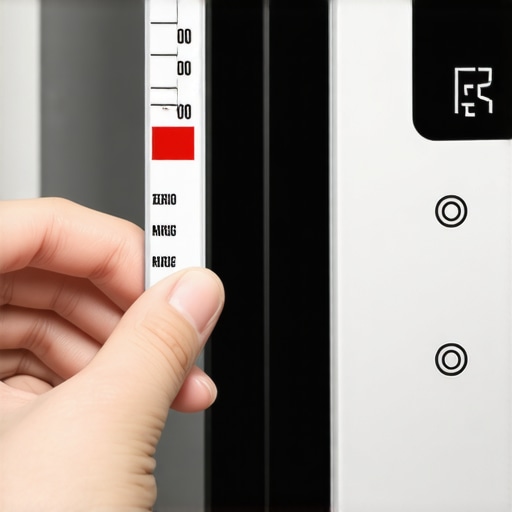
Stop Guessing with a Precise Hardness Test
Don’t rely on the digital display on your softener. Buy a liquid reagent test kit or high-quality test strips. When I first did this, I was shocked to find my water was at 0 grains per gallon (gpg). This is what I call “starving water.” It is so empty of minerals that it becomes a solvent, looking for anything to dissolve—usually your glass or the protective coating on your racks. I once watched a brand-new set of wine glasses turn cloudy in just three weeks because I assumed my municipal water was “fine.” Testing gave me the data I needed to fight back.
Tell Your Dishwasher the Truth
Modern units, especially high-end European models, have an internal water softener. If you are feeding already-softened water into a machine that thinks it is dealing with hard water, you are doubling down on the corrosion. You need to access the service menu—check your manual—and set the internal water hardness level to the lowest possible setting. This prevents the machine from adding even more salt to an already soft environment. Failing to calibrate this correctly is one of the most common mistakes professional installers see during a rushed setup.
Stop Drowning Your Cycles in Soap
This was my hardest habit to break. We are conditioned to think more soap equals more clean, but in soft water, detergent has nothing to “grab” onto except your dishes and the machine itself. If you see white streaks that feel slippery, you are using too much. I transitioned away from those massive multi-action pods because you cannot halve a liquid-filled pod. Instead, I looked into the case for using powder detergent over pods because it allows for precision. Start with just a tablespoon of powder. I remember the first time I did this; I was convinced I would be re-washing everything. To my surprise, the glasses came out without that greasy, rainbow sheen for the first time in years.
Protect Your Assets with Smart Maintenance
If your racks are already showing signs of rust or peeling due to aggressive water, do not wait for them to fail completely and dump iron into your pump. Knowing common dishwasher parts and how to replace them effectively will save you from a much larger repair bill down the road. You are also maximizing your dishwashers warranty through proper parts selection by ensuring you are using components that can handle the specific pH levels of your home water supply.
The High Heat Myth and Soft Water Corrosion
Most homeowners believe that cranking the temperature to the max is the gold standard for hygiene. However, in my years of troubleshooting, I’ve found that high heat is actually the catalyst that turns ‘hungry’ soft water into a destructive force. While we are told that ‘hotter is better,’ in a soft water environment, excess heat accelerates the chemical process of ion exchange. The water begins to pull minerals directly out of your glassware and the machine’s stainless steel interior. It is a nuance that even seasoned plumbers sometimes miss. When I finally stopped using the ‘High Temp’ setting for every single load, the progression of etching on my glasses slowed down immediately. According to a technical bulletin from Miele, water hardness below 3 grains per gallon combined with temperatures over 140°F is a primary recipe for ‘glass corrosion’ that no amount of rinsing can fix.
Protect Your Warranty Before It’s Too Late
I have seen so many people lose out on coverage because of a few small oversights during the honeymoon phase of owning a new appliance. For instance, the risks of skipping the professional installation receipt are massive. If you cannot prove the unit was installed to code, the manufacturer has an easy ‘out’ for any future tub or motor claims. I also learned the hard way that using ‘equivalent’ parts to save twenty dollars can backfire during a service call. The truth about third-party replacement spray arms is that they often lack the precise pressure-balancing needed for modern high-efficiency cycles, which can put unnecessary strain on your circulation pump. Knowing how to get your warranty claim approved on the first try often comes down to showing that you used original equipment manufacturer (OEM) parts and maintained proper water chemistry from day one.
Can You Actually Reverse Mineral Scavenging Damage?
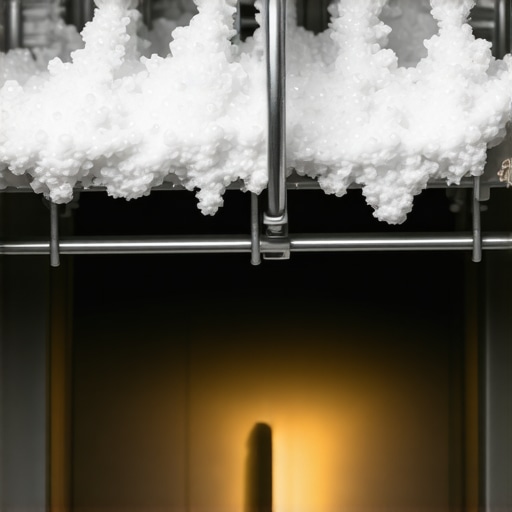
Can you save a dishwasher tub or a set of plates that already look like a chalkboard? Not always, but you can certainly ‘stop the bleeding.’ The first step is learning how to diagnose dishwasher parts during warranty periods so you can distinguish between surface-level scale and structural etching. If it is true etching, the damage is a physical change in the material and is permanent. However, if it is just a stubborn film, a citric acid wash might save the day. This is one reason why the heavy cycle is actually better for your machine health once a month; it uses a higher volume of water to flush out those aggressive detergent residues that linger in the nooks and crannies of your filters. Have you ever fallen into this ‘more soap, more heat’ trap? Let me know in the comments.
Stop the Slow Death of Your Circulation Pump
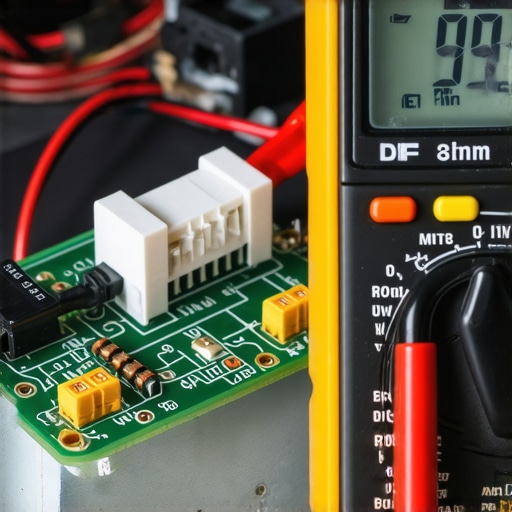
Maintenance is more than just wiping down the door; it is about proactive monitoring of the mechanical heartbeat inside your machine. I keep a digital multimeter in my kitchen junk drawer at all times. This might sound overkill for some, but knowing how to test your thermal fuse with a basic multimeter has saved me from calling a repair technician on three separate occasions over the last decade. When you realize that understanding dishwasher parts is a key to effective maintenance, you stop fearing the machine and start managing it. I personally inspect the water inlet valve every six months because it is the gatekeeper of your machine’s health. If you catch a tiny drip there early, you can learn how to replace a faulty water inlet valve in 15 minutes, preventing a catastrophic cabinet flood later.
How can I maintain my dishwasher parts for the long haul?
The secret is a combination of mechanical inspection and chemical balance. Beyond the water hardness we discussed, you must physically verify the integrity of your supply lines. I only ever use the most durable braided steel hoses for long-term safety because rubber hoses are a ticking time bomb in modern high-pressure systems. According to the Plumbing Engineering Design Handbook from the American Society of Plumbing Engineers (ASPE), the recurring thermal expansion cycles in dishwashers can degrade standard connectors much faster than static faucets. This constant stress is why the complete list of dishwasher parts covered by warranty often has strict stipulations regarding how these connections are made. If you see a slight bulge in a hose, replace it immediately; do not wait for the blowout.
The Tool Kit Every Modern Kitchen Actually Needs
I am often asked if ‘smart’ machines make maintenance easier. In some ways, yes, but they also introduce new vulnerabilities. For instance, why your warranty doesnt cover power surges is a hard lesson many owners learn after a summer storm fries their control board. I now use a dedicated appliance-grade surge protector for every high-end unit I install. As we look toward the next few years, I predict we will see top tips for seamless dishwasher installation in 2025 focusing almost entirely on integrated leak-detection sensors and AI-driven diagnostic logs that can predict a pump failure before it happens. Until then, you are the primary sensor. Listen for changes in the motor’s hum and watch for any water pooling on the kickplate. My challenge to you today: pull off your dishwasher’s bottom kickplate and use a flashlight to check for any signs of ‘weeping’ around the motor housing. It takes two minutes and could save you two thousand dollars. We aren’t just cleaning plates; we’re protecting an ecosystem.
The $1,500 Hard-Water Mistake I’ll Never Repeat
After years of obsessing over every white spot, I finally learned that more intervention isn’t always better. My biggest “aha” moment was realizing that a dishwasher is a delicate ecosystem. If I could go back, I’d tell myself that aggressive water is just as dangerous as hard water. It’s not just about the salt; it’s about the chemistry. I also learned that you shouldn’t ignore the digital side of things—sometimes the real reason your smart app cant find your dishwasher is the first sign of a control board struggling with power fluctuations or mineral buildup on sensors. Always verify your settings manually rather than trusting the ‘Auto’ cycle for everything.
The Toolkit That Actually Saves Your Sanity
If you want to move beyond guessing, you need a few non-negotiable items in your utility drawer. First, a liquid reagent water test kit is far more accurate than paper strips for measuring precise grains per gallon. Second, I swear by a basic digital multimeter; it is truly the only way to follow expert advice on dishwasher installation troubleshooting when the machine refuses to start. Finally, keep a guide to your specific model’s internals handy. Knowing common dishwasher parts and how to replace them effectively makes the difference between a 10-minute fix and a $300 service call. I trust these tools because they move the conversation from ‘I think’ to ‘I know’.
Your Journey to a Perfectly Balanced Machine
You’ve already taken the most important step by looking under the hood and questioning the status quo. By balancing your water chemistry and keeping a close eye on your components, you are successfully maximizing your dishwashers warranty coverage today. Don’t let the technical details overwhelm you—every small adjustment you make to your detergent levels or temperature settings is an investment in your home’s longevity. A well-maintained dishwasher shouldn’t just be a convenience; it should be a reliable partner in your kitchen for the next decade. Have you ever noticed your glasses looking worse after installing a water softener? Let me know your experience in the comments below!
Related Posts
3 Hard Water Signs That Destroy Your Heating Element
It was late one evening when I finally faced the…
Why You Should Never Use Hand Soap in the Machine
It was a typical Saturday morning when I reached into…

Why Soft Water Might Be Ruining Your Best Wine Glasses
I remember the first time I pulled out a beautifully…