Let me tell you about the time I almost faced a kitchen disaster that could have cost me a small fortune. I was during a busy week, rushing to get dinner prepared when suddenly, water started pooling around my dishwasher. My heart sank. Turns out, a tiny, overlooked part had failed, causing an unexpected leak. That lightbulb moment made me realize—if I want to avoid swimming in repair bills, I need to get proactive about checking my dishwasher’s critical parts before disaster strikes.
Why Inspecting Your Dishwasher Now Could Save You Big in 2026
Every household appliance has its weak points, and dishwashers are no exception. As we inch closer to 2026, industry experts warn that certain components are more prone to wear and tear, leading to leaks, failures, and costly repairs if neglected. But here’s the good news: with a bit of knowledge and some routine inspections, you can catch issues early, ensuring your dishwasher runs smoothly—saving you money and preventing unexpected chaos. I’ll guide you through the essential parts to monitor, based on my own troubleshooting journey and real-world tips from professionals.
Many people don’t realize that a small oversight—like ignoring a loose hose clamp or worn-out seal—can turn into a flood or appliance failure. I learned this the hard way, and it’s a mistake I don’t want you to repeat. Early inspection and maintenance are your best defenses against being caught off guard when your dishwasher decides to act up.
Studies show that proper maintenance extends appliance longevity, with some parts lasting up to 10 years if cared for properly. Want to know the secret? It’s all about understanding your machinery and inspecting key components regularly. Curious to find out which parts deserve your attention? Let’s dive into the critical areas that could make or break your dishwasher’s performance in 2026.
Are You Wasting Money on Repairs That Are Easily Preventable?
Trust me, I’ve seen so many folks make the same mistake I did early on—ignoring those small, seemingly insignificant parts. That’s why I recommend checking out understanding dishwasher parts to get familiar with what’s behind the scenes. Proper knowledge can be your best tool for troubleshooting and selecting the right replacement parts, especially when it comes to warranty coverage. Don’t wait until a leak ruins your kitchen or your week. Being proactive now can save you big in the future.
In the upcoming sections, I’ll share practical tips on what to look out for and how to maintain these vital parts to keep your dishwasher performing optimally. Ready to become your own appliance hero? Let’s start with the first critical component that often gets overlooked but is absolutely essential for avoiding leaks and breakdowns.
Pull the Plug on Leaks: Start by Inspecting Critical Components
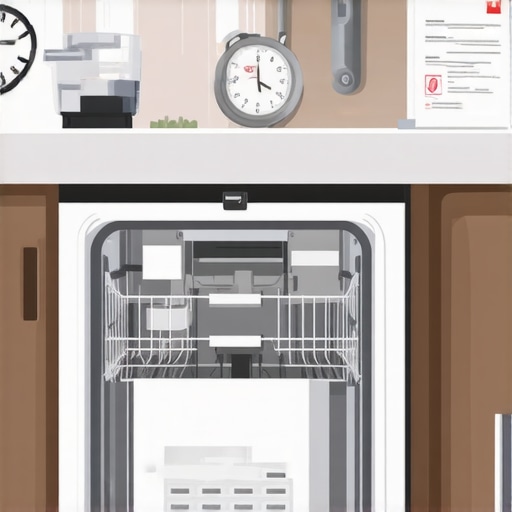
During my own attempt to fix a stubborn leak, I learned that the first step is physically examining your dishwasher’s key parts. Turn off the power and water supply, then carefully remove the panel to access the internal components. Use a flashlight to check for any visible damage, cracks, or worn-out seals. Remember, a little dirt or mineral buildup can hide bigger issues. Regular inspections like this are akin to giving your machine a health check-up—spot problems early and prevent costly repairs.
Target the Seals and Gaskets First
Worn seals are notorious for causing leaks. I once replaced a faulty door gasket myself after noticing a slight water drip during cycles. To do this, gently remove the old gasket, clean the mounting area, and install a new one compatible with your model. For guidance, check out parts to check during installation—it emphasizes the importance of correct sealing for durability. Ensuring your seals are tight and intact is your first barrier against water escaping where it shouldn’t.
Examine the Hoses and Clamps for Wear
Hoses connecting to the water inlet valve and drain can develop cracks or become loose, leading to leaks. I once discovered a loose clamp after noticing water pooling beneath the machine. Tighten or replace the clamps as needed. Think of hoses like garden hoses; if they crack or disconnect, water leaks everywhere. Use a screwdriver to secure clamps snugly, but avoid overtightening which can cause damage. Regularly inspecting these connections prevents leaks before they turn into floods.
Test and Maintain for Longevity
After your physical checks, run a short cycle with the panels back in place. Watch for any leaks, strange noises, or irregular operation. This practical step verifies your repairs and alerts you to remaining issues. Also, consider replacing worn-out parts proactively—consult when to replace parts—before a failure occurs. Think of this as giving your dishwasher a tune-up; it will perform more efficiently and last longer, saving you money over time.
Prioritize Original Parts for Warranty Benefits
Using OEM (original equipment manufacturer) parts isn’t just about quality; it also influences warranty claims. I learned this lesson when my warranty was denied because I used an incompatible part. For reliable coverage, select parts recommended by the manufacturer, which you can find detailed at maximizing your warranty. Proper installation and appropriate parts are your best defense against future damage and warranty pitfalls.
Securing Your Investment for 2026 and Beyond
Routine checks and timely replacements are the most effective tactics to prevent leaks and unexpected breakdowns. Remember, think of your dishwasher like a trusted vehicle—it requires regular oil changes and inspections. Mastering the inspection process, focusing on seals, hoses, and connections, and using quality parts will help keep your machine running smoothly through 2026 and beyond, ultimately saving you from costly repairs and water damage. Keep a close eye on these key components, and your dishwasher will thank you with reliable performance.Many homeowners believe that purchasing a dishwasher with a good warranty means they can ignore proper installation and maintenance, but in my experience, this couldn’t be further from the truth. A widespread myth is that warranties cover all repair costs, leading people to neglect understanding the nuances of parts and proper setup. In reality, it’s essential to know that warranty coverage often depends on following the manufacturer’s recommended installation procedures and choosing the right parts, which can significantly affect your claim success. For instance, incorrect installation can void your warranty, even if the appliance is relatively new, as highlighted in expert installation guides. Sharp-eyed homeowners also often overlook the importance of inspecting vital components like seals and hoses regularly, assuming they are maintenance-free. However, wearing seals or loose clamps aren’t always obvious at first glance and can cause leaks or failures if not addressed early.
Are You Sabotaging Your Warranty Without Knowing It?Essential Tools for Effective Dishwasher Maintenance
Keeping your dishwasher in top shape requires the right set of tools. I always recommend a high-quality multimeter because it helps me verify electrical components like door switches and control boards, ensuring they function correctly without guesswork. A digital thermocouple allows precise temperature checks of the water inlet and internal heating elements, which is vital for energy efficiency and cleaning performance.
Another indispensable tool is a set of precision screwdrivers. When inspecting or replacing parts, especially seals and clamps, having the right size and type prevents damaging delicate components. I prefer insulated screwdrivers to safeguard against accidental electrical contact during troubleshooting. For coating and sealing tasks, a tube of high-grade silicone gasket sealant ensures waterproof integrity after part replacements.
Leveraging Software for Troubleshooting and Diagnostics
Modern dishwashers come with diagnostic modes that can save you time and money. I utilize manufacturer-specific diagnostic software that interfaces with the appliance via a USB or Wi-Fi connection. These tools let me read error codes directly from the control board, pinpointing issues with sensors, motors, or drainage systems without disassembly. For more advanced diagnostics, I use apps that analyze cycle patterns and performance logs, enabling me to identify subtle problems long before they escalate.
Prioritizing Preventive Maintenance
To extend your dishwasher’s lifespan, regular preventive checks are essential. I set a schedule to inspect seals, hoses, and clamps every six months. Replacing their worn parts proactively with high-quality OEM components not only prevents leaks but also preserves warranty coverage. Remember, using understanding dishwasher parts thoroughly helps you identify which components are most critical for long-term performance. Keep an eye out for mineral buildup, which can be addressed with descaling agents that prevent internal failures.
Forecasting Trends and Future-Proofing Your Setup
As smart appliances become more prevalent, integrating diagnostic apps and remote monitoring tools will soon be standard practice. In the future, AI-driven diagnostics might automatically alert you when parts near failure, enabling even more proactive maintenance. To stay ahead, I recommend investing in tools that interface with newer models, ensuring your maintenance efforts remain effective in 2026 and beyond. Exploring the latest technology also helps you keep your warranty valid, especially when selecting parts and performing installations — check out tips for maximizing your warranty coverage.
Question: How Do I Maintain My Dishwasher Over Time?
Establishing a routine inspection schedule using these tools and techniques is key to longevity. Regularly test critical components like seals, filters, and electronic sensors, replacing parts before they cause failures. Keep a maintenance log—this practice not only helps track wear and repair history but also prepares you for warranty claims. Remember, proactive maintenance combined with the right equipment can save you from costly repairs and ensure your dishwasher continues to perform reliably. If you haven’t tried a digital thermocouple or diagnostic software yet, make it a priority; these tools can often reveal hidden issues early, saving you headaches down the line.
For detailed insights, consult resources like parts to check during installation and familiarize yourself with the key components that matter most for longevity. Staying ahead in maintenance today guarantees smooth operation tomorrow and into 2026 and beyond.
The Toughest Lessons I Learned About Dishwasher Maintenance and Warranties
- Never assume small issues are insignificant: A tiny leak or loose clamp might seem harmless, but it can lead to costly repairs or water damage if ignored. Regular inspections teach you to spot these signs early.
- OEM parts are your best allies: Using original manufacturer parts not only ensures compatibility but also keeps your warranty intact, preventing future headaches and expenses.
- Knowledge is power in appliance health: Understanding your dishwasher’s key components like seals and hoses allows you to troubleshoot effectively and avoid unnecessary service calls.
- Routine checks prevent chaos: Scheduling semi-annual inspections and maintenance can extend your appliance’s life significantly, saving you money in the long run.
- Smart tools make all the difference: Investing in quality diagnostic tools and apps can reveal hidden issues long before they turn into emergencies, giving you peace of mind and control.
My Go-To Resources for Dishwasher Savvy
- Understanding dishwasher parts: This resource deepened my knowledge about essential components, empowering me to perform effective maintenance.
- Parts to check during installation: It helped me learn proper installation techniques to prevent future leaks and warranty issues.
- Maximize your warranty with correct parts: A must-know for ensuring coverage and avoiding costly disputes during repairs.
- When to replace parts: It provides clear guidance on proactive replacements that keep your dishwasher running smoothly.
Step Up for a Leak-Free Future
Taking control of your dishwasher’s maintenance isn’t just about avoiding repairs—it’s about empowering yourself to protect your home and wallet. Every inspection, part replacement, and update you make today builds a reliable foundation for 2026 and beyond. Dive into the resources I trust, stay proactive, and turn appliance care into an easy, even enjoyable, routine. Are you ready to become your own trusted dishwasher champion? Let’s start today! What’s the first step you’ll take to safeguard your dishwasher’s future? Share your plans below.
Related Posts
Smart Dishwasher Parts & Warranty Tips for Long-Lasting Performance
Discovering the Heart of My Dishwasher: Personal Experiences with Parts…

Smart Dishwasher Parts & Warranty: Ultimate Guide to Seamless Installation
Have you ever faced that sinking feeling when your brand-new…

Stop the Hum: The $12 Dampening Pad Your 2026 Install Needs
It happened in the middle of my busy weekend—an unbearable…