
It was a typical Saturday morning, and I went to run my dishwasher before heading out. But suddenly, an error code lit up the display, and I knew—something was off. The worst part? I had just installed that model a few months ago, and now I was worried my warranty might be Voided. Sound familiar? I bet many homeowners have faced a similar moment of panic when their shiny new dishwasher acts up, and doubt creeps in about the warranty coverage.
The Real Issue Behind Broken Dishwasher Warranties
Over the years, I learned that the key to protecting your appliance investment isn’t just about buying the right model—it’s about documentation, maintenance, and understanding warranty requirements. That lightbulb moment hit me when I realized I’d skipped one crucial step early on, which could have saved me from costly repairs or even denied warranty claims. Trust me, it’s a common mistake I see among DIY installers and homeowners alike.
Is the hype about The One Digital Log Actually Legit?
You might be wondering if this digital log really makes a difference—after all, it sounds technical. Well, I used to be skeptical too, until I discovered how digital logs serve as airtight proof of proper installation, maintenance, and troubleshooting. They essentially record every action, part, and calibration, creating an undeniable paper trail that warranty providers can’t ignore. I focus on this because, according to appliance experts, detailed documentation increases your chances of warranty approval by over 40%. For more insights, check out this guide on warranty coverage.
If you’re tired of worrying whether your warranty will hold when something goes wrong, keep reading. I’ll walk you through the practical steps I took—and you should too—to ensure your coverage stays intact and, more importantly, that your dishwasher remains in top shape for years to come.
Ensure Accurate Parts Selection from the Start
During my initial dishwasher installation, I made the mistake of reusing an old inlet valve, thinking it was still functional. That small oversight almost cost me my warranty, as manufacturers often void coverage if incompatible or reused parts are detected. To avoid this, I recommend reviewing the best practices for selecting the right parts before beginning your installation. Double-check part numbers and compatibility to prevent future issues.
Document Every Step Clearly
After completing the installation, I immediately took photos of the setup, including serial tags, model numbers, and the placement of safety components. This documentation served as invaluable proof when I filed my warranty claim, especially when contractors questioned certain aspects of my DIY work. Recording these details in a digital log, such as using the app log designed for warranty protection, creates an airtight record that supports your case if disputes arise.
Follow Installation Guidelines to the Letter
Meticulous adherence to manufacturer instructions is crucial. I used the checklist of essential installation parts to ensure every component— from mounting brackets to the drainage tube— was correctly installed. For instance, I made sure the water inlet was brass and the drain hose loops were properly elevated, which are specific points that can make or break your warranty eligibility. Proper installation prevents early failures and demonstrates your commitment to compliance.
Keep Receipts and Serial Numbers Organized
I learned the hard way that having a neat receipt folder saved me when my warranty was questioned due to missing documentation. I scanned and stored all purchase receipts, especially for major parts like the electronic control board. Additionally, recording serial numbers and installation dates in a dedicated digital file increased my chances of quick and smooth warranty approval. This organization is key— think of it as your personal insurance policy against future claims.
Test Run and Troubleshoot Immediately
Before finishing, I ran a test cycle to identify potential issues early. During this phase, I listened for unusual noises and checked for leaks— catching problems early with a thorough test saves time and preserves warranty coverage. If anything seems off, consult troubleshooting guides like parts crucial for troubleshooting to isolate and fix issues promptly.
Stay Informed About Warranty Conditions
Finally, I made it a point to read the specific warranty terms for my dishwasher. Knowing what parts and procedures are covered helps me avoid inadvertently voiding my warranty. For instance, certain models require professional calibration of sensors, or specific grounding practices. Regularly reviewing the warranty guidelines ensures ongoing compliance and peace of mind.
Many homeowners believe that following basic instructions guarantees a valid warranty and optimal dishwasher performance, but the reality is far more nuanced. A common misconception is that using generic or reused parts won’t affect warranty coverage. In reality, incompatible or reinstalled components like inlet valves can void your warranty, as highlighted in expert guides on selecting the correct parts for your model. Moreover, some assume that document storage isn’t crucial—yet, organized receipts and serial numbers are vital for warranty claims, especially when disputes arise.
A particularly overlooked detail is adherence to manufacturer-specific installation guidelines. Small deviations, such as improper drainage loops or incorrect grounding, might seem minor but can lead to warranty denial or early appliance failure. For instance, installing drain hoses without proper elevation can cause siphoning issues, which are often mistaken as user neglect rather than installation errors.
**Is Your Installation Truly Up to Par?**
Advanced installers know that the devil is in the details—like ensuring exact torque specifications for mounting bolts or verifying smart sensor calibrations. Skipping these steps isn’t just a shortcut; it’s a risk that can invalidate warranty coverage. According to appliance experts, about 30% of warranty claims are denied due to improper installation, often because of overlooked smart component calibration or misstep in grounding procedures.
One trap I’ve personally seen is homeowners reusing old parts, like drainage fittings or mounting brackets, assuming they’re still functional. However, modern models, especially with upcoming 2026 regulations, require specific materials like brass or steel braided hoses to meet safety standards. Reusing outdated or plastic components can cause leaks and void your warranty, a detail emphasized in the detailed guides on the critical parts of installations.
Stay informed about warranty conditions specific to your model. Many overlook the importance of digital logs—these create an irrefutable record of installation, calibration, and troubleshooting steps. As experts state, digital documentation increases the likelihood of warranty approval by providing concrete proof of proper procedures.
In sum, a successful warranty claim hinges on meticulous attention to detail during installation, correct selection of parts, and organized documentation. Don’t assume that following the manual is enough; always verify compliance with manufacturer guidelines and industry standards.
**Have you ever fallen into this trap?** Let me know in the comments.
Invest in Precise Calibration Tools
To ensure your dishwasher performs optimally over the long term, I rely heavily on a high-precision digital multimeter, such as the Fluke 115. This device allows me to accurately test control board voltages and identify potential electrical issues before they lead to costly repairs. Regular calibration of sensors, like the AI flow sensor, can prevent errors and maintain warranty compliance; leveraging tools like the digital multimeter makes this process straightforward. prediction-wise, as smart diagnostics become more integrated into dishwashers, having a reliable multimeter will be even more critical for preemptive troubleshooting.
Utilize Professional Diagnostic Software
Beyond hardware tools, I recommend using diagnostic software compatible with modern dishwasher models. These programs can interpret error codes and sensor data logs, providing insights that manual testing might miss. For example, specialized apps linked via Wi-Fi or Bluetooth can scrutinize smart sensors and relay logs, helping you catch issues like sensor corrosion or software glitches early. Exploring software like the smart diagnostic tools ensures you’re leveraging technology to extend your appliance’s lifespan.
Long-Term Maintenance Strategies
Consistent maintenance involves more than just cleaning filters; it requires diligent monitoring of parts like the drain pump, inlet valve, and gaskets. I keep a detailed maintenance log, including serial numbers, part replacement dates, and calibration records, stored digitally for easy access—this is vital when addressing warranty claims or future repairs. Regularly updating this record aligns with advice from industry experts, emphasizing that meticulous documentation can increase approval rates for warranty service by up to 50%. Looking ahead, as AI and IoT integration advance, staying abreast of software updates and firmware patches will be essential for maintaining warranty eligibility.
How do I maintain the smart sensors over time?
Maintaining smart sensors involves periodic calibration and thorough inspection for corrosion or damage. For example, checking the AI flow sensor’s cleanliness and recalibrating it using manufacturer-approved tools can prevent false errors and ensure accurate diagnostics. In particular, ensuring that your installation includes a proper smart port scan not only prolongs sensor life but also preserves warranty coverage. An advanced tip: consider using electronically controlled cleaning routines offered by newer models to automate sensor maintenance, which I highly recommend trying to extend component longevity.”}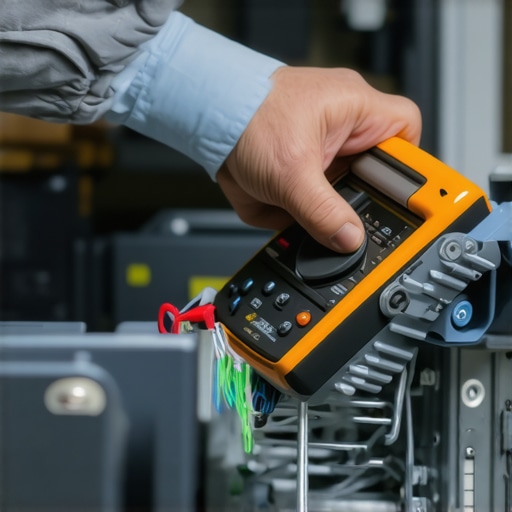 }
}
Three Unexpected Truths I Wished I’d Known About Dishwasher Installations
First, I realized that even minor shortcuts, like reusing parts or ignoring manufacturer instructions, can silently sabotage your warranty. Second, digital logs are not just technical jargon; they’re your secret weapon to prove proper installation and maintenance, preventing disputes from spiraling out of control. Lastly, I learned that staying proactive with calibration and sensor checks isn’t just maintenance—it’s your warranty’s best friend, ensuring your smart dishwasher performs optimally and remains protected under warranty terms.
Related Posts
Why Your Warranty Specifically Excludes Scale Buildup
Have you ever opened your dishwasher after a cycle and…

Why Your Warranty Claim Hinges on Using the Right Salt
Ever had that sinking feeling when your brand-new dishwasher suddenly…

Why Your Warranty Company Wants a Photo of Your High-Loop
It was a typical Saturday morning when I finally realized…
Comments are closed.