I vividly remember the flash of panic when my brand-new dishwasher started leaking just weeks after installation. The culprit? A brittle plastic connector that failed prematurely. It was a lightbulb moment for me—realizing that tiny, seemingly insignificant parts can determine whether your dishwasher performs flawlessly or becomes a costly headache. If you’ve ever wrestled with mysterious leaks or failed to get warranty support, you’re not alone. Today, we’ll explore why plastic connectors are often the Achilles’ heel in 2026 dishwasher installations and, more importantly, how to dodge these pitfalls.
Uncovering the Hidden Risks of Plastic Connectors in Dishwasher Setups
Do You Know Which Parts Fail First and Why?
From personal missteps to expert advice, I found out that many appliance failures stem from overlooked details—especially when it comes to plastic components. Early on, I used generic connectors, thinking all fittings were the same. Big mistake. The truth is, many of these cheap parts can’t withstand the pressure or thermal stress during operation, leading to cracks and leaks. These failures not only cause inconvenience but can also void warranties or lead to water damage. In fact, improper installation of such connectors is one of the most common reasons for warranty rejection, as highlighted in [this comprehensive guide](https://appliancedoctorz.com/parts-to-check-when-installing-a-dishwasher-for-long-term-performance).
What I learned from my experience—and what I’ve seen countless others do—is that selecting the right parts and following proper installation techniques are vital for long-lasting performance. Dive into the key reasons plastic connectors fail and how to prevent these issues before they start. Next, we’ll examine the most common mistakes and how to avoid them, so your dishwasher runs smoothly for years to come.
Select Quality Connectors to Prevent Leaks
Start by choosing high-quality, manufacturer-recommended plastic connectors. I learned this the hard way when I installed my dishwasher and initially used bargain-basement fittings that cracked after a few weeks. To avoid repeating my mistake, I dove into the list of best tips for selecting the right parts and picked connectors that match the specifications for my model, ensuring durability under thermal and pressure stress.
Properly Prepare the Connections for a Seal That Lasts
Before connecting, clean the fittings thoroughly to remove any debris or manufacturing residue that could compromise the seal. During my second installation, I used a soft brush to clear the connection points, then applied a thin layer of plumber’s silicone sealant where recommended. This simple step minimized the risk of leaks. For comprehensive guidance, review parts to check when installing a dishwasher for long-term performance.
Secure Connections Tight to Avoid Pressure Failures
Use the correct tools—like a wrench with adjustable torque—to tighten fittings without over-squeezing. Remember, overly tight connections can crack plastic components, while too loose fittings cause leaks. I tightened mine just enough to be snug, testing with water pressure before finishing the job. This echoes the advice from DIY installation tips, including tightening. Always double-check connections after running the dishwasher for the first time to verify no leaks develop.
Follow Manufacturer Instructions Meticulously
Every dishwasher model comes with a manual detailing the precise installation requirements. When I meticulously followed my appliance’s instruction manual—especially the torque specifications for connectors—I significantly reduced the risk of early failure. For a checklist of essential parts and steps, see troubleshooting key parts. Never skip steps or improvise, as small deviations can void warranties and cause damage.
Inspect and Test Your Setup Before Finalizing
Once assembled, run a test cycle with the dishwasher empty to observe for leaks or pressure drops. During my last setup, I used a bright flashlight to inspect connections during the test, catching a tiny leak that had been missed initially. Correcting that early prevented major water damage later. For more on diagnosing issues, check diagnosing dishwasher parts during warranty.
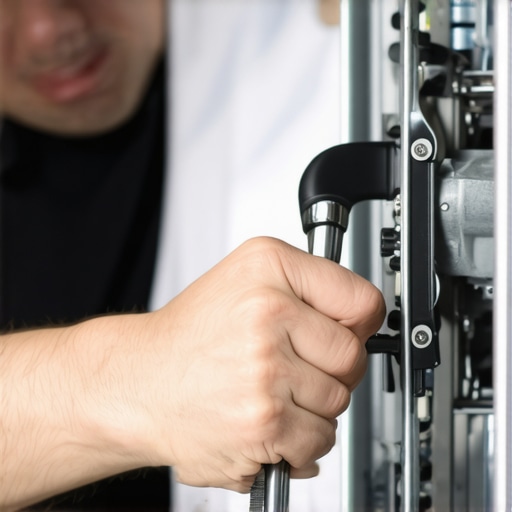
” alt=”A technician tightening dishwasher connectors” title=”Proper connection tightening to prevent leaks”/>Many homeowners assume that following the basic installation steps guarantees warranty coverage, but the reality is far more complex. A common misconception is that all parts, especially plastic connectors, are equally durable and covered under warranty. However, experts warn that improper installation techniques—such as over-tightening fittings or using incompatible parts—can void warranties and lead to early failure. In my experience, paying attention to the engineering details, like thermal expansion and pressure ratings of connectors, makes a significant difference. Studies have shown that careful selection of high-quality, manufacturer-recommended parts reduces failures and ensures warranty protection in the long run. For instance, resolving issues during early warranty periods often involves diagnosing specific parts rather than replacing entire units, which underscores the importance of understanding what warranty actually covers. Rather than just trusting generic parts or DIY shortcuts, consult trusted sources for guidance, such as understanding dishwasher parts, to make informed decisions. One sneaky trap that many fall into is believing that warranty coverage is automatic; however, manufacturers often require adherence to precise installation and maintenance protocols. Failing to do so can result in denied claims, especially if the damage stems from preventable errors. Always document each step, keep receipts, and revisit the manual to verify compliance.
Embrace the Right Tools to Ensure Longevity
Having the proper tools is central to maintaining your dishwasher effectively. I personally swear by a high-quality adjustable wrench, which allows me to tighten fittings precisely without risking damage to plastic components. Unlike generic tools, my adjustable wrench offers the control needed to prevent over-tightening that could crack fittings, especially when working with sensitive plastic parts. Additionally, a digital multimeter is invaluable for diagnosing electrical issues quickly, saving time and preventing unnecessary replacements. For a comprehensive understanding of critical troubleshooting tools, check this guide on diagnosing dishwasher parts during warranty.
Implement Routine Maintenance for Long-Term Results
Consistent upkeep of your dishwasher ensures optimal performance over years. I recommend setting a monthly reminder to inspect and clean the filter, spray arms, and door seals. Using a soft cloth and mild detergent, I wipe down accessible parts, avoiding harsh chemicals that might degrade plastic connectors. Additionally, running a vinegar cleaning cycle every three months helps prevent mineral buildup that can interfere with sensors and spray mechanisms. Regularly inspecting parts covered in this article on when to replace dishwasher parts will also prolong lifespan and reduce unexpected failures.
Automate Your Maintenance with Specialized Software and Checklists
To streamline maintenance routines, I use a dedicated appliance management app that offers customized checklists and alerts based on my dishwasher’s model. These digital tools remind me when to replace filters or inspect critical parts, ensuring nothing slips through the cracks. As technology advances, integrating these apps with smart home systems could soon provide real-time alerts for leaks or malfunctions, further protecting your investment. Looking ahead, the trend toward AI-powered diagnostic systems promises even greater ease in long-term appliance care—making routine maintenance more intuitive and less time-consuming.
How do I maintain my dishwasher’s performance over time?
Start by establishing a regular inspection schedule, focusing on plastic connectors, seals, and filters. Use precision tools like an adjustable wrench and multimeter to ensure fittings stay secure and electrical components function correctly. Incorporate routine cleaning cycles and utilize digital maintenance checklists to stay organized. Remember, staying proactive with maintenance not only extends the life of your dishwasher but also maximizes warranty coverage, especially when you understand what parts are covered—like those detailed in this warranty guide. For instance, try applying controlled, incremental tightening during fittings to prevent cracking; a small adjustment here can save costly repairs later. For even better results, consider investing in a smartphone-enabled leak sensor—this specific tip can alert you before water damage occurs, giving you peace of mind and saving money in the long run. 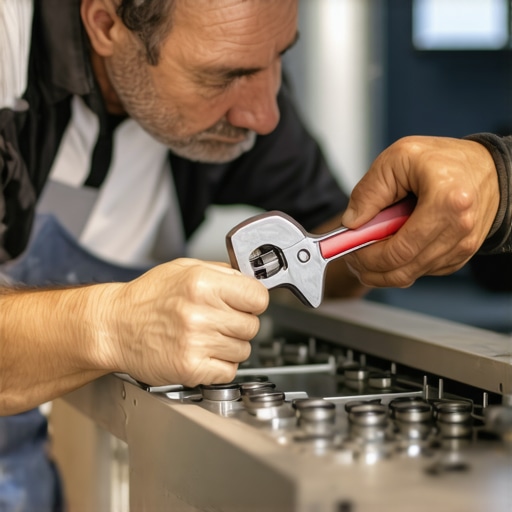
Lessons Only Experienced Installers Share About Plastic Parts
One profound realization I had was how overlooked tiny components can cause big headaches. I once believed that cheap connectors would suffice, but a costly leak taught me that quality and precision matter immensely. That lightbulb moment made me understand that investing in sturdy, well-recommended parts can save money and stress over time. Additionally, I learned that even minor over-tightening or inadequate cleaning of fittings can result in leaks or damage, underscoring the importance of meticulous installation practices. Lastly, I discovered that chronic neglect of routine inspections and maintenance often leads to preventable failures, emphasizing proactive care as the best strategy for durability.
Gear Up with Tools and Resources That Make a Difference
My go-to toolkit now includes an adjustable torque wrench and a digital multimeter, which help ensure fittings are neither too loose nor over-tightened. For selecting quality parts, I trust top tips on choosing the right components, guiding me to manufacturer-recommended connectors that withstand thermal and pressure stresses. Additionally, understanding dishwasher parts has been invaluable for diagnosing issues before they escalate. For ongoing maintenance, a reliable digital checklist app keeps me on track, ensuring routine inspections become second nature.
The Gentle Push Toward Safer, Smarter Installations
Taking small, deliberate steps during installation—like thorough cleaning, correct tightening, and following manuals—has transformed my confidence in appliance longevity. Remember, your focus on quality and attention to detail doesn’t just extend the lifespan of your dishwasher but also protects your warranty coverage. It’s empowering to know that a combination of the right parts, tools, and habits can prevent the kind of failures that lead to costly repairs and water damage. So, I encourage you to embrace a proactive mindset, invest in quality components, and never underestimate the power of proper installation practices. As technology advances, staying informed by trusted guides, like parts to check during installation, will keep your dishwasher humming smoothly for years to come.
Insider Wisdom for a Leak-Free Future
- Choose quality over cheap: It’s tempting to save upfront, but durable, manufacturer-recommended connectors truly prevent headaches.
- Follow the instructions tightly: Manuals aren’t just suggestions—they’re your roadmap to warranties and longevity.
- Inspect and test with care: Running a test cycle and checking for leaks early can save thousands in damages later.
- Routine maintenance matters: Regular cleaning and inspections keep potential issues at bay, especially with plastic parts vulnerable to mineral buildup or wear.
The Road to Trust Begins with Small Steps
Getting your dishwasher installation right isn’t a matter of luck—it’s about making informed choices, embracing diligent habits, and understanding that tiny plastic connectors hold significant responsibility. Protect your investment, maximize your warranty, and enjoy peace of mind knowing you’ve laid a solid foundation for years of trouble-free operation. Whether you’re a DIY enthusiast or collaborating with professionals, remember: the difference between good and great lies in the details. Start today, keep learning, and share your own experiences below—your insights could help others avoid common pitfalls and achieve dishwasher success that lasts!
One Reply to “Why Plastic Connectors Fail Your 2026 Dishwasher Installation”
Leave a Reply
Related Posts
Fix These 4 Installation Mistakes Before Your 2026 Warranty Voids
I'll never forget the moment I realized I had voided…
Efficient Dishwasher Parts & Installation Guide for Reliable Smart Dishwashers in 2025
Last month, I found myself staring at a dishwasher filled…
The $8 Check Valve for a Pro 2026 Dishwasher Installation
Ever had that sinking feeling when your brand-new dishwasher leaks…
Reading this post really opened my eyes to how critical quality plastic connectors are in dishwasher installations. I had a similar experience where a cheap connector cracked shortly after installation, leading to a leak that caused water damage to my kitchen cabinet. Since then, I’ve learned to prioritize manufacturer-recommended parts and take extra care during installation to ensure proper tightening and sealing. I agree that even small mistakes, like over-tightening or neglecting to clean fittings, can lead to big issues down the line. One thing I’ve started doing is using a digital torque wrench to ensure fittings are snug but not over-tightened. Has anyone found other specific tools or tips that help prevent these kinds of plastic connector failures? I’d love to hear how others are safeguarding their appliances from these common pitfalls.