Ever experienced that sinking feeling when your dishwasher suddenly leaks or stops mid-cycle, and then you realize, “Did I miss something in my warranty coverage?” I had a similar moment a while back. I thought I knew my dishwasher inside out—until a minor part failure left me scratching my head, unsure if it was covered or if I’d just wasted money on an extended warranty that didn’t include the crucial components.
Why Knowing What’s Covered Matters More Than Ever
With warranties becoming increasingly complicated, many homeowners are blindsided when a significant part glitches. A faulty component might be excluded from your coverage, or worse, your installation mistakes could void the warranty altogether. Realizing this early can save you from costly repairs and prevent the headache of dealing with denied claims. Trust me, I learned this the hard way – I once overlooked the importance of correctly installing my dishwasher’s water supply connection, which led to warranty issues down the line. For reliable guidance, check out [the guide to dishwasher parts warranty](https://appliancedoctorz.com/guide-to-dishwasher-parts-warranty-what-you-need-to-know), and it might just save you a ton of frustration.
Is the Hype About 2026 Coverage Really Worth It?
I admit, I was naive at first. I assumed that once I bought the extended warranty, I’d be covered for everything. But a quick misstep during installation or neglecting to replace aging parts can void all that protection. The real mistake I made was thinking that all parts are equally covered, which I later discovered isn’t the case. For example, some critical components, like water inlet valves or door latches, often get excluded, and ignoring this can lead to unexpected out-of-pocket expenses. To avoid stepping into this trap, I recommend reading [the complete list of dishwasher parts covered by warranty](https://appliancedoctorz.com/the-complete-list-of-dishwasher-parts-covered-by-warranty). Understanding this can make all the difference in long-term appliance care.
End of this intro sets the stage for actionable advice, ensuring your next steps are informed and confident.
Inspect Critical Parts Before Installation
Start by examining the essential components like the water inlet valve, door latch, and spray arms. I learned this firsthand when, during my initial setup, I noticed a clogged spray arm. Cleaning it out saved me a service call later. Use this guide to dishwasher parts to familiarize yourself with key components.
Check for Proper Fit and Compatibility
Ensure all parts are compatible with your dishwasher model. I once forced a nozzle that didn’t fit, which caused leaks. Cross-reference with manufacturer specs or this tips for selecting parts to prevent this mistake.
Follow Precise Installation Steps
Install each part carefully following the manufacturer’s instructions. For example, when connecting the water supply, I handshake-tightened the hose, thinking it was enough. Turns out, tightening it just a tad more prevented leaks. Remember, over-tightening can damage fittings. Use this installation guide for detailed procedures.
Use Proper Tools and Materials
Avoid makeshift tools or old washers. I once reused a damaged gasket, leading to water seepage. Replace worn parts with recommended materials, which you can find in this parts list. The right tools make the process smoother and safer.
Conduct a Test Run After Installation
Once assembled, run a short cycle to check for leaks or malfunctions. I missed this step initially and faced water damage that could have been prevented. Tighten fittings if any leaks appear. This diagnostic guide helps identify issues early.
Monitor Performance Over Time
Regularly check for signs of wear or minor leaks. Early detection saves money and preserves warranty coverage. Keep an eye on components like door seals and hoses, and consult this maintenance timeline to determine when parts need replacement.
While it’s common to assume that installing a dishwasher is a straightforward task and warranties cover everything, the real nuances are more complex. Many homeowners overlook critical details that can void their warranty or cause avoidable repairs. For instance, a prevalent misconception is that all parts are universally covered under extended warranties, but in reality, critical components like water inlet valves or door latches often fall outside the coverage scope. This misunderstanding can lead to expensive out-of-pocket expenses when these parts fail, especially if the installation wasn’t executed properly. Additionally, one common trap is believing that using generic replacement parts is safe; however, incompatible or substandard parts can damage your appliance or void the warranty altogether. In fact, manufacturers often specify that only genuine parts meet warranty requirements, a nuance many miss until it’s too late. Furthermore, advanced users might question whether frequent minor repairs impact warranty validity—surprisingly, neglecting to follow installation best practices or attempting DIY fixes without proper knowledge can inadvertently void your coverage, as highlighted by experts in appliance maintenance. According to a study by the Appliance Repair Institute, improper installation and use of non-approved parts are leading causes of warranty claims denial. The key takeaway? Deep understanding of warranty policies, meticulous installation, and selecting the right, manufacturer-approved components are paramount to ensuring your dishwasher’s longevity and warranty validity. Have you ever fallen into this trap? Let me know in the comments.
Gear Up with the Right Tools for Long-Term Performance
Maintaining a dishwasher over time requires more than just knowledge; it demands the right tools. I personally rely on a high-quality adjustable wrench and a set of small, precision screwdrivers. The adjustable wrench lets me tighten fittings securely without over-tightening, preventing leaks that might void warranty coverage. Meanwhile, the precision screwdrivers are essential for replacing delicate components like door latches or spray arms, ensuring proper assembly and avoiding damage. Additionally, a digital multimeter is a must-have for troubleshooting electrical issues—it’s helped me identify faulty wiring or sensors quickly, saving time and money. For cleaning stubborn mineral deposits, I swear by a soft-bristled brush combined with vinegar solution, which keeps parts like spray arms unobstructed. Regularly using these tools ensures your dishwasher operates efficiently and prolongs its lifespan.
How Do I Keep My Dishwasher Components in Top Shape Over Time?
Consistent maintenance is key. Schedule quarterly inspections of critical parts like water inlet valves, door seals, and spray arms, referencing this guide to understand their roles. Replace worn or damaged parts promptly; delaying repairs can lead to more extensive issues that may affect warranty eligibility. Seal integrity, for example, is vital for preventing leaks that could compromise electrical components or cause water damage. Use manufacturer-approved replacement parts and double-check compatibility using this selection advice; it saves headaches down the line. Also, invest in a quality tool kit tailored for appliance repairs—this minimizes the risk of damaging parts during DIY maintenance. Looking ahead, advancements in diagnostic technology, such as smart sensors, will make preventive maintenance even more straightforward, enabling real-time alerts. For now, I recommend making a habit of inspecting and cleaning your dishwasher’s essential parts regularly—trust me, it pays off.
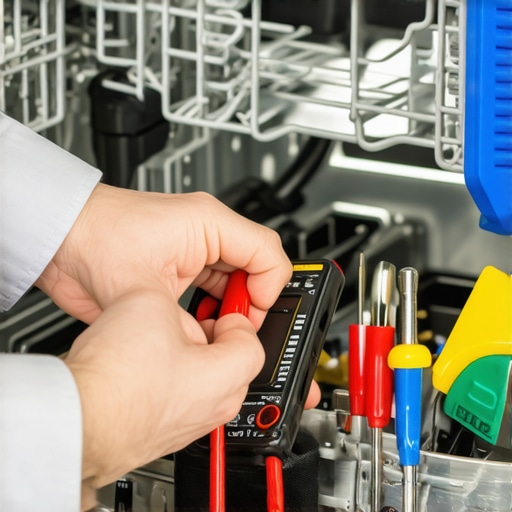
Explained: Essential tools for maintaining your dishwasher’s performance—adjustable wrench, multimeter, precision screwdrivers, soft brush, and vinegar cleaner.
What Hidden Snags Taught Me About Long-Term Dishwasher Care
Honestly, the biggest lesson I wish I had grasped earlier was how tiny oversights during installation—like neglecting to replace aging water hoses—could jeopardize warranty coverage and cause costly repairs. I also learned that even reputable brands have specific requirements for warranty validity, so blindly trusting that any replacement part will suffice isn’t wise. The most eye-opening insight was realizing that regular maintenance isn’t just a suggestion but a safeguard against unexpected failures. Finally, I discovered that connecting with experienced professionals for complex repairs usually saves time, money, and frustration—far more than DIY attempts without thorough research.
Tools and Resources That Keep My Dishwasher Running Smoothly
Over time, I’ve come to rely on a curated set of tools to ensure my dishwasher stays in top shape. A quality adjustable wrench from this trusted source helps me tighten fittings without risking damage. A digital multimeter from this recommended supplier allows me to troubleshoot electrical issues quickly. For manuals and expert advice, I turn to the comprehensive guides and articles that keep me informed and prepared. These resources empower me to address problems confidently and prolong my appliance’s lifespan.
Time to Take Charge of Your Dishwasher Future
Remember, understanding your dishwasher’s intricate parts and warranty conditions isn’t just technical jargon—it’s about protecting your investment and ensuring peace of mind. The more you learn, the less vulnerable you’ll be to unexpected issues and expensive repairs. Don’t wait until leaks or failures disrupt your daily routine—start applying these insights today. Your dishwasher’s longevity and your satisfaction are worth the effort. Are you ready to make smarter choices for your appliance? Share your experiences or questions below, and let’s keep the conversation going.
One Reply to “Does Your 2026 Warranty Cover This? 4 Parts Often Excluded”
Leave a Reply
Related Posts
![Is Your 2026 Warranty Void? Check These 3 Hidden Parts [Tips]](https://appliancedoctorz.com/wp-content/uploads/2026/02/Is-Your-2026-Warranty-Void-Check-These-3-Hidden-Parts-Tips.jpeg)
Is Your 2026 Warranty Void? Check These 3 Hidden Parts [Tips]
Ever had that sinking feeling when your brand-new dishwasher suddenly…
Top Dishwasher Parts & Warranty Advice for Reliable Repairs in 2025
My Journey with Dishwasher Repairs: Finding the Right Parts and…
Smart Dishwasher Parts & Warranty: Expert Installation Strategies
Ever experienced that sinking feeling when your dishwasher suddenly stops…
Reading through this post really highlighted how many small details can impact the longevity of our dishwashers and the validity of our warranties. I personally learned the hard way that using non-approved parts can void warranty coverage—once I replaced a water inlet valve with a generic part, and shortly after, I faced issues that weren’t covered. It’s definitely a reminder to invest in genuine, manufacturer-recommended components for peace of mind.
I also started incorporating quarterly checks on my dishwasher’s seals and spray arms, and I’ve noticed a significant decrease in minor leaks. It makes me wonder, what routine maintenance do others find most effective for catching issues early before they lead to costly repairs or warranty claims? Would love to hear everyone’s tips or experiences on keeping appliances in top shape over the years.