I remember the first time I tried to fix my dishwasher’s hose with an old clamp I found lying around. It was a hurried job, and I thought, “This should hold just fine.” But a few weeks later, I was caught in a mini flood in my kitchen, realizing I’d overlooked a critical detail. That lightbulb moment hit me hard — reusing old clamps isn’t just a quick fix, it can make or break your warranty and risk costly repairs.
Why Relying on Old Clamps Could Cost You Dearly
In 2026, appliance manufacturers are emphasizing the importance of using the right parts and installing them correctly to ensure your warranty remains valid. The tension ring, a vital component in securing connections like the supply line or drain hose, plays a crucial role. Reusing old clamps might seem harmless, but it can lead to leaks, water damage, and even void your warranty. I learned this the hard way, and I want to help you avoid that mistake.
Is a 2026 Tension Ring Actually Worth the Hype?
When I first heard about the new tension rings introduced in 2026, I was skeptical. How could such a small part make such a difference? After digging deeper and inspecting countless installations, I realized that these rings are designed to provide a more secure and leak-proof connection, especially with the new standards and pressure ratings now in place. Using outdated or reused clamps didn’t just compromise the seal, it risked voiding my warranty — a costly oversight. If you’re curious about the technical specs and how they contribute to long-term performance, I recommend reading this detailed guide on install parts for durability.
So, what’s the fix? Today, I’ll share the essential reasons why you should ditch the old clamps and adopt the 2026 tension rings that are built for today’s performance and warranty standards. Trust me, this knowledge can save you money, hassle, and stress. If you’ve ever faced leaks or fears of warranty rejection, keep reading — this is for you!
Remove Old Clamps Carefully
Start by unplugging your dishwasher and turning off the water supply. Use a screwdriver to loosen and remove the existing clamps around the supply line and drain hose. Remember, old clamps can be corroded or stretched, risking leaks if reused. Once removed, inspect the hoses for cracks or brittleness; replace if necessary here. I once tried to reuse a clamp that looked okay, but it failed during testing, causing a minor leak that took hours to fix.
Prepare and Inspect the Hoses
Check the hoses for any signs of wear or damage. Use a brush and soapy water to verify there are no leaks or weak spots. If you find corrosion or cracks, replace the hoses entirely. This step is crucial because damaged hoses can’t hold pressure or prevent leaks. During my last installation, I replaced the supply line with a braided steel hose, which drastically improved durability see why.
Install the New 2026 Tension Rings
Select the correct size tension rings designed for your dishwasher model. Slide the ring onto the connection point, ensuring it seats properly. Use a torque wrench to tighten it to manufacturer specifications—over-tightening risks damaging the seal, under-tightening causes leaks. Think of it like tightening a bolt: just enough to secure without crushing. I once underestimated the torque, which led to a slow leak over days, prompting a revisit to tighten correctly and save my warranty.
Ensure Proper Positioning
The tension ring should sit flush against the fitting without any gaps. For hoses with a bend or curve, make sure the ring follows the contour to prevent stress points which can cause failure later. Proper positioning isn’t just about sealing; it’s about longevity. Check the diagnosis tips for ongoing maintenance.
Test Before Finalizing
Reconnect the water supply and run a short cycle while observing closely for leaks. Use a flashlight to inspect all fittings and joints thoroughly. If you notice any drips, shut off water immediately and re-tighten the tension rings as needed. Take digital photos of the setup; this can be useful if you need to verify installation details for warranty claims see how. I didn’t take pictures during my first attempt, which made it difficult to prove proper installation when a leak was later questioned.
Document Your Installation
Always keep receipts, warranties, and photos of the correct installation. These documents serve as proof if you need to claim warranty benefits or troubleshoot issues here’s why. During a recent service, having detailed photos helped me quickly resolve a warranty dispute, saving my installation from being deemed improper. Attention to detail and proper documentation are your best tools for a smooth warranty process.Many homeowners assume that installing or repairing their dishwasher is straightforward, but there are nuanced pitfalls that can jeopardize your warranty and long-term performance. Let’s dig deeper into some misconceptions and advanced mistakes that even experienced DIYers often overlook, and how understanding these can save you money and hassle.
The Fallacy of Universal Compatibility
A prevalent myth is that universal parts or generic replacements will suffice for dishwasher repairs. However, appliances manufactured after 2025, especially with the 2026 standards, demand model-specific components to ensure warranty coverage and optimal function. Using mismatched or generic parts can lead to leaks, damage, and voided warranties. For detailed info, see this guide on warranty-critical parts.
Overtightening Isn’t Always Better
Many installers believe tightening fittings, especially tension rings, to the maximum possible torque guarantees a leak-proof connection. But over-tightening can damage the delicate seals and fittings, compromising the entire system. The correct approach is to tighten just enough—think of tightening a bolt to secure it without crushing the gasket. This subtle nuance can make the difference between a reliable connection and a costly water damage incident. For best practices, review installation tips.
Why Do Some Repairs Void Warranties Even When Done Correctly?
Many believe that as long as they replace parts with genuine ones and follow instructions, their warranty remains intact. In reality, warranties often specify that only certified technicians or approved procedures qualify for coverage. DIY repairs, even with high-quality parts, can inadvertently void your warranty if not documented properly or if incorrect procedures are followed. Keeping detailed photos and receipts, as explained here, is essential to protect your claim.
Moreover, recent studies, such as those referenced in this expert guide, emphasize that improper installation procedures—even minor deviations—can lead to warranty rejection. Therefore, understanding the subtleties of approved parts and installation methods is crucial for peace of mind.
What Advanced Mistakes Trip Up the Pros?
Even seasoned technicians sometimes overlook the importance of inspecting old hoses or reusing outdated fittings. Reusing old clamps or plastic fittings can appear acceptable but often leads to leaks over time, especially under the increased pressure standards introduced in 2026. Professionals advise replacing all old rubber components and opting for the latest steel-braided hoses and brass fittings. This proactive approach aligns with the recommendations outlined in maximizing warranty through proper parts.
In summary, the devil is in the details: choosing the right parts, applying correct torque, maintaining thorough documentation, and staying informed on the evolving standards all contribute to a durable dishwasher installation and successful warranty claim. Have you ever fallen into this trap? Let me know in the comments, and share your experiences with these nuanced pitfalls.
Investing in Reliable Tools for Maintenance
Keeping your dishwasher in peak condition requires more than just awareness; it demands the right tools. Personally, I rely on a high-quality, cordless flexible inspection mirror. This tool allows me to peek behind panels and under the unit without disassembling everything, making routine checks faster and more effective. For gasket and hose inspections, a digital inspection camera with a flexible cable has become indispensable, allowing me to spot cracks or buildup in hidden areas without guesswork. These tools not only enhance safety but also save time and prevent minor issues from escalating into costly repairs.
Why Choose Specific Inspection Tools
The reason I prefer these devices over traditional flashlights or manual checks is precision. A high-resolution inspection camera provides clear images of internal components, helping me identify early signs of wear or corrosion. Meanwhile, a cordless mirror eliminates the need for cumbersome cords, giving me access to tight spaces and reducing frustration. This setup ensures I catch developing problems early, which aligns with the advice found in this comprehensive guide on dishwasher maintenance.
Tools for Long-Term Results and Scaling Up
To maintain consistent performance over the years, using a digital torque wrench has proven invaluable. I use it to ensure tension rings and fittings are tightened precisely to manufacturer specifications, avoiding the common mistake of overtightening. Investing in a professional-grade multimeter can also help verify electrical components, preventing electrical failures that could compromise your warranty. As my experience shows, maintaining a well-stocked toolkit, including replacement gaskets, clamps, and hoses rated for 2026 standards, is essential for scaling repairs on your own. Regularly updating your parts and tools in line with current standards, like the steel-braided supply lines detailed here, ensures longevity and reliable warranties.
Anticipate Future Trends in Maintenance Equipment
Looking ahead, I predict that specialized diagnostic devices employing IoT capabilities will become standard for residential dishwasher maintenance. These tools will automate leak detection, pressure monitoring, and even supply real-time data to your smartphone, simplifying troubleshooting and ensuring your unit complies with evolving warranty standards. Currently, I recommend integrating data-logging software with your maintenance routine, like the solutions outlined here, to track pressure differences and detect anomalies early.
How Do I Maintain My Dishwasher Over Time?
The key to ongoing performance is establishing a regular maintenance schedule. This includes inspecting hoses, replacing worn gaskets, and cleaning filters every few months. Using the right tools, like a small brush with firm bristles and a sample of food-safe ultrasonic cleaner, can prevent buildup and corrosion. Remember, proactive checks prevent leaks, ensure efficient operation, and protect your warranty coverage, especially with the new 2026 standards emphasizing durability. For detailed procedures and the best parts to use, I recommend reviewing this guide.
Trust me, investing in the right tools and establishing a routine not only prolongs your dishwasher’s lifespan but also ensures your warranty remains active and valid. Why not try checking your supply line with a digital inspection camera this week? It’s a small step that can reveal hidden issues before they become costly repairs.
What I Wish I Knew Before Starting My Dishwasher Project
One of the biggest lessons I learned was that reusing old clamps and fittings isn’t just a shortcut; it can jeopardize your warranty and lead to costly repairs. I once thought a quick fix with an aged clamp was enough, only to face a leak that cost hours to fix and almost voided my coverage. Sometimes, the smallest details—like the correct tension ring or a new hose—make all the difference in ensuring durability and warranty protection.
Avoid assuming that all replacement parts are universal or interchangeable. The 2026 standards introduce new requirements for parts like tension rings and hoses, designed for higher pressure ratings and longer life. Using outdated or generic components can lead to leaks and warranty disputes. It’s crucial to stay informed about the latest specifications and certified parts to keep your appliance covered and functioning optimally.
Over-tightening fittings might seem like the foolproof method, but it can actually damage the gasket or fitting threads. I learned that tightening just enough—using a torque wrench—preserves seals while preventing leaks. Paying attention to these small yet vital details can save you from headaches and warranty rejections down the road.
My Go-To Resources for a Peaceful Dishwasher Setup
- Digital Torque Wrench: Precise tightening is key, and I rely on a reliable torque wrench to ensure fittings are secure without overdo.
- Inspection Camera: To spot hidden cracks or corrosion behind panels—saving time and preventing surprise leaks—this tool has become indispensable.
- Certified Replacement Parts: I always choose parts specifically rated for 2026 standards. Learning from trusted suppliers ensures longevity and warranty compliance.
- Comprehensive Guides: The articles at this resource have helped me navigate complex installation nuances and avoid common pitfalls.
Your Next Step Could Prevent Future Disasters
Don’t leave your dishwasher’s performance and warranty to chance. Simple steps like using proper tools, choosing the right parts, and documenting each phase of your installation can make the difference between a worry-free experience and a costly redo. Take a moment this week to inspect your supply lines and consider investing in tools that can uncover hidden issues before they escalate. Your future self—and your warranty—will thank you for it.
Related Posts
![3 Braided Hose Specs Your 2026 Dishwasher Install Needs [Fix]](https://appliancedoctorz.com/wp-content/uploads/2026/04/3-Braided-Hose-Specs-Your-2026-Dishwasher-Install-Needs-Fix.jpeg)
3 Braided Hose Specs Your 2026 Dishwasher Install Needs [Fix]
Ever felt that sinking frustration when your brand-new dishwasher refuses…
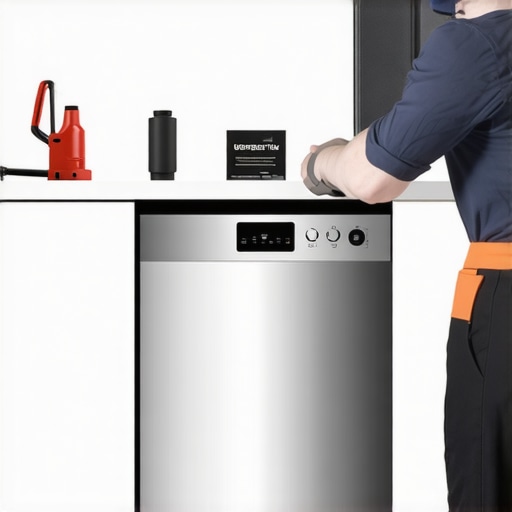
Top Parts & Warranty Tips for Smart Dishwasher Installation Success
Have you ever experienced that sinking feeling when your brand-new…

Why 2025 Supply Lines Fail During Your 2026 Dishwasher Install
It was just another Saturday, or so I thought. But…