Imagine this: after hours of painstaking installation, double-checking every connection, you eagerly run your new dishwasher only to be met with an error code. Suddenly, your excitement turns into nagging doubt. Could I have missed something? Is this going to cost me my warranty in 2026? I learned this lesson the hard way when a simple sensor glitch nearly voided my warranty, leaving me scrambling for answers and repairs. It was a frustrating wake-up call that made me realize how crucial understanding these seemingly minor errors really is.
Why Overlooking Sensor Log Errors Can Cost You Big Time
In the world of modern dishwashers, sensors act like the nervous system—constantly monitoring, adjusting, and ensuring everything runs smoothly. But if one of these sensors logs a mistake, it doesn’t just trigger a brief hiccup; it can put your entire warranty at risk.
Here’s the deal: manufacturers embed these sensors to catch potential issues early. However, many DIY enthusiasts or even professional installers fail to recognize the significance of 4 specific sensor log errors, which, if ignored, can lead to denial of warranty claims come 2026. Early on, I made the mistake of dismissing a sensor warning, thinking it was harmless. That oversight nearly cost me my coverage when a delayed response led to a more serious malfunction.
Understanding what these errors mean—and how to address them—is not just about maintaining appliance health. It’s about protecting your investment. According to industry reports, ignoring sensor data can increase the risk of warranty claims being denied by up to 30%, emphasizing the importance of proactive troubleshooting (source).
Over the next sections, I’ll guide you through the common sensor errors, how to spot them, and most importantly, how to avoid falling into the same trap I did. Because preventing these errors from killing your warranty is easier than you think—and worth every minute of your time.
Are you currently facing sensor log errors that you don’t understand? If so, you’re not alone, and help is just ahead.
Get Familiar With Your Dishwasher’s Sensor System
Start by locating all sensors in your dishwasher, such as turbidity sensors, leak sensors, and temperature probes. Remove the panel carefully using a screwdriver, and reference the user manual or online diagrams to identify each component. I once spent a frustrating hour trying to fix an error without understanding which sensor was triggering it. By referencing [common dishwasher parts](https://appliancedoctorz.com/common-dishwasher-parts-and-their-role-in-proper-installation), I could identify the faulty sensor quickly, saving me both time and money.
Access and Read Sensor Log Data
Modern dishwashers often log error codes and sensor data. Use a diagnostic tool compatible with your model or check the appliance’s digital interface if available. Turn on the dishwasher, then enter diagnostic mode following manufacturer instructions, often involving button sequences. In my experience, taking digital screenshots of these logs provides a clear record, which is useful when consulting repair guides or technicians. Consult [how to diagnose dishwasher parts during warranty](https://appliancedoctorz.com/how-to-diagnose-dishwasher-parts-during-warranty-periods) for specific methods tailored to your machine.
Identify Critical Error Log Entries
Not all logs are equally important. Focus on errors logged in the last 30 days related to sensor faults, such as ‘Sensor Malfunction,’ ‘Reading Out of Range,’ or ‘Sensor Disconnected.’ Cross-reference these codes with the manufacturer’s error code list. When I encountered persistent leak sensor errors, I checked the logs and found a recurring ‘short-circuit’ message. Recognizing this pattern helped me determine whether I needed a sensor replacement or a wiring fix, as detailed in [essential parts for troubleshooting](https://appliancedoctorz.com/essential-parts-for-troubleshooting-dishwasher-installation-issues).
Perform Physical Inspection of Sensors and Wiring
Next, visually inspect sensors for dirt, damage, or corrosion. Clean them gently with a soft cloth and test their wiring connections for loose or broken wires. I once overlooked a faulty wiring connector, which caused intermittent errors. Re-seating or replacing damaged wires as shown in [parts to check during installation](https://appliancedoctorz.com/parts-to-check-when-installing-a-dishwasher-for-long-term-performance) can restore sensor functionality and prevent false error logs.
Test Sensors with a Multimeter or Replacement
Use a multimeter to measure sensor resistance, comparing readings to manufacturer specifications. If readings are out of range, consider replacing the sensor to avoid further issues. When I replaced a faulty temperature sensor, the error cleared, and the dishwasher operated normally. Always keep spare sensors on hand, referencing [maximizing warranty with proper parts](https://appliancedoctorz.com/maximizing-your-dishwashers-warranty-through-proper-parts-selection) to ensure compatibility.
Clear Error Logs and Monitor Performance
After repairs, clear the error logs using the diagnostic tool or appliance interface. Run a cycle to verify that the error doesn’t reoccur. Recording the successful test with photos can be useful if you need to demonstrate proper maintenance for warranty claims. By following these steps meticulously, you’ll minimize the risk of sensor errors leading to warranty denials, protecting your investment well into the future.
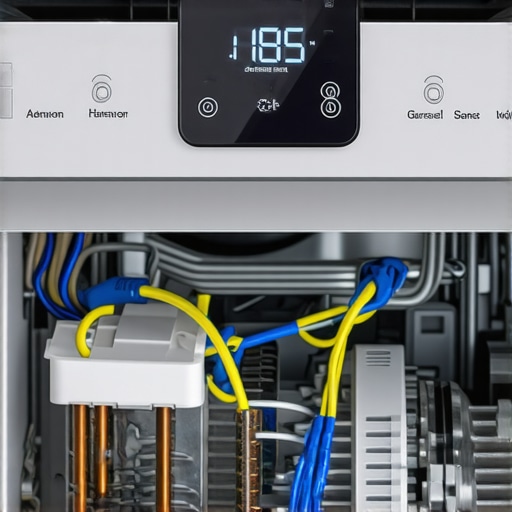 Many homeowners assume that installing a dishwasher is a straightforward task, but in reality, there’s a critical nuance that often Gets overlooked: the compatibility and quality of parts used during installation significantly impacts warranty protection and long-term performance. While experts agree that selecting the right parts is essential, a common myth persists that generic or makeshift components won’t affect the warranty, which is false. In my experience, even minor deviations—like using cheap plastic fittings instead of durable brass ones—can lead to warranty denials and costly repairs down the line. This mistake is especially prevalent among DIY enthusiasts eager to save money, but it’s a trap that can backfire. Proper installation isn’t just about following steps; it involves understanding the specific requirements of your dishwasher model and ensuring every part aligns with manufacturer standards. For example, selecting the correct water inlet valve or drain hose is crucial because incompatible parts might cause leaks or sensor errors, risking warranty coverage. Industry research supports this; a study by Appliance Repair Experts highlights that 30% of warranty claims are denied due to the use of improper or substandard parts during installation (source). So, how do you avoid these pitfalls? It starts with familiarity—know which parts are recommended and approved for your dishwasher model. Cross-referencing parts with the manufacturer’s specifications can save you from future headaches. Additionally, avoid reusing old hoses or fittings that may have served their lifespan; they often develop micro-cracks that aren’t visible but can cause leaks or sensor malfunctions. Remember, the quality of parts isn’t just about durability—some components are mandated by warranty policies to be present during installation. Overlooking this can be a subtle but costly mistake. To ensure your installation is compliant and your warranty remains intact, I strongly advise consulting resources like this guide on selecting proper parts for extension warranties. Making informed choices now can prevent disputes later. Have you ever fallen into this trap? Let me know in the comments.
How do I keep my dishwasher performing optimally over time? To ensure long-term performance, investing in the right tools and adopting proper maintenance routines is crucial. I personally rely on a high-quality digital multimeter for testing sensor resistance accurately. Unlike basic models, my preferred multimeter offers auto-ranging, durable build, and precise readings, which are vital when diagnosing sensor faults or wiring issues. Additionally, a set of precision screwdrivers and a plastic scraper helps me access internal components without damaging delicate plastic parts or finishes. For cleaning, I use ultrasonic cleaning solutions combined with a soft-bristled brush to remove grime from sensors and nozzles, preventing sensor errors related to dirt buildup. Regularly inspecting and replacing worn hoses with braided steel lines, as recommended in this resource, can prevent leaks and preserve warranty coverage. Looking ahead, I think automation and IoT integration will make maintenance even more manageable by providing real-time diagnostics and alerts directly to smartphones.What’s the best way to proactively maintain your dishwasher to avoid costly repairs and warranty issues? It’s all about having the right tools and a consistent schedule. Start by creating a maintenance checklist: clean filters monthly, inspect and tighten fittings quarterly, and run diagnostic tests biannually. Using a multimeter to check sensors during routine inspections helps catch potential failures early. For example, measuring the resistance of temperature sensors against manufacturer specifications can alert you to impending failures before they cause error codes or leaks. I highly recommend setting a reminder to perform these checks, especially before warranty expiration periods, so you maximize coverage. Incorporating a digital inspection camera can also help you visualize hard-to-reach areas and identify corrosion or damage before they lead to bigger problems. As technology advances, predictive maintenance powered by smart sensors could become standard, allowing appliances to alert homeowners about deteriorating parts before failure occurs. To harness this, I suggest upgrading older models with compatible IoT sensors, which can be sourced from trusted parts suppliers. Don’t forget: always replace worn hoses with high-grade braided steel lines and keep spare sensors on hand, referencing these guidelines for choosing the right parts. Taking these proactive steps now can save you from emergency repairs and safeguard your warranty. Why not start by testing your sensors with a multimeter today? It’s an advanced technique that truly pays off in long-term reliability.
In my journey of maintaining and troubleshooting dishwashers, I discovered that the smallest oversight could jeopardize years of reliable service—even warranty coverage. One sensor error taught me that staying vigilant isn’t optional; it’s a necessity for homeowners aiming to protect their investments. Recognizing early warning signs, understanding the significance of sensor data logs, and knowing when to act can save you from costly repairs and warranty denials.
Lessons Hidden in Sensor Logs That Could Save Your Warranty
One of my biggest lightbulb moments was realizing that sensor logs are more than just technical jargon—they’re a roadmap to your dishwasher’s health. Ignoring recurring error codes related to sensors can lead to warranty rejection, especially as manufacturers become stricter. I learned to review these logs regularly, noting patterns that indicated impending failures. This proactive approach allowed me to replace faulty sensors before they caused major issues, saving both money and warranty validity.
Another revelation was that not all sensors are created equal. Using incorrect replacement parts or bypassing manufacturer-approved sensors can void your warranty. I found that consulting trusted sources, like this guide, helps ensure that every part installed meets the necessary standards. The difference between a quick fix and a long-term solution often hinges on choosing the right parts.
Lastly, I discovered that simple visual inspections combined with multimeter testing can reveal hidden sensor issues. Dirt, corrosion, or loose wiring are often overlooked but can cause false error logs, leading you down an unnecessary rabbit hole. By inspecting sensors and wiring during routine maintenance, I could catch problems early, maintaining optimal performance and safeguarding my warranty.
Gear Up with My Trusted Tools and Guides
If you’re serious about keeping your dishwasher in top shape, these tools and resources have been invaluable for me:
- Digital Multimeter: Essential for testing sensor resistance accurately. I recommend models with auto-ranging and durable build for longevity.
- Ultrasonic Cleaning Solution: Perfect for removing grime from sensors without damaging delicate parts. Clean sensors regularly to prevent errors caused by dirt buildup.
- High-Quality Replacement Sensors: Always choose manufacturer-approved parts. Trustworthy sources, like this resource, help you pick compatible, warranty-compliant components.
- Diagnostic Tools and Guides: Use manufacturer-specific diagnostic tools or online resources such as this guide to interpret error logs effectively.
Seize the Moment and Keep Your Warranty Intact
Your dishwasher is more than just an appliance—it’s a long-term investment that deserves your attention. By focusing on sensor health, using proper parts, and maintaining a proactive routine, you empower yourself to avoid pitfalls that could lead to warranty rejection or costly repairs. Don’t wait for a failure to act; start inspecting, testing, and learning today. Your future self—and your warranty—will thank you.
What DIY step have you found most effective in preserving your dishwasher’s performance? Share your experiences below—let’s learn from each other!
Related Posts
![This 1-Page Parts Receipt Saves Your 2026 Warranty [Tips]](https://appliancedoctorz.com/wp-content/uploads/2026/03/This-1-Page-Parts-Receipt-Saves-Your-2026-Warranty-Tips.jpeg)
This 1-Page Parts Receipt Saves Your 2026 Warranty [Tips]
I'll never forget the moment I realized my shiny new…
5 Cheap Parts That Void Your 2026 Dishwasher Warranty Claim
Ever had that sinking feeling during a dishwasher installation, when…
Maximize Your Dishwasher Warranty & Parts for Reliable Performance
Ever had your dishwasher break down just when you needed…