I remember the sinking feeling when I finished my dishwasher repair only to realize I might have jeopardized my warranty. That moment of panic, flipping through manuals and searching online, was a wake-up call. I had thought I’d done everything right—following guides, installing carefully—but somewhere, a tiny detail was missing. Later, I discovered that just a few well-chosen metadata tags could make all the difference in proving my repair was compliant with warranty requirements.
Why Metadata Matters for Your DIY Dishwashers Warranty
It turns out, the secret to keeping your warranty intact isn’t just about following the installation steps perfectly; it’s about documenting every detail properly. Metadata tags serve as the digital breadcrumbs that confirm your repair was done correctly and according to manufacturer specifications. Without them, even a minor mistake can lead to warranty rejection, forcing you to pay out of pocket for what could have been a covered repair.
In my early days of DIY repairs, I made a critical mistake—omitting the serial number in my purchase documentation. That small oversight almost cost me my warranty. Learning from that slip, I now focus intensely on three essential metadata tags during every repair. These tags act as proof of compliance, and surprisingly, they’re simple to implement if you know what to look for. It’s a strategy that can save you hundreds, or even thousands, in repair costs, especially with appliances as critical as dishwashers scheduled to be covered past 2026. According to appliance maintenance expert Mark Johnson, keeping thorough records with properly tagged metadata can increase your chances of warranty approval by over 75%.
Are You Facing the Risk of Warranty Denial?
If you’re like me, you’ve probably experienced the gut-wrenching doubt of whether your DIY efforts are enough to meet warranty standards. I realized early on that the devil is in the details—small, overlooked information that can invalidate your claim. For example, missing date stamps or unverified digital logs can be the difference between a covered repair and a denied claim. If you’ve faced this problem, you’re not alone. Many homeowners are unaware that these tiny metadata tags are now often the first line of defense in warranty assessments.
To ensure your repairs are warranty-safe, it’s crucial to understand exactly which metadata tags to focus on and how to properly document them. In the following sections, I’ll walk you through the specific tags that make your repair unassailable in the eyes of warranty providers—making your DIY efforts both effective and protected.
Document Every Step During Installation and Repairs
Start with detailed photos of each stage of your dishwasher setup, focusing on critical connections like supply lines and electrical hookups. Use your smartphone to capture high-resolution images, ensuring clarity on how parts are assembled. For example, during my last install, I took a photo immediately after connecting the high-loop drain hose, which proved invaluable when verifying proper setup for warranty purposes.
Label Your Parts Clearly
Assign descriptive labels to all components, such as serial numbers, brand names, and part types. Use adhesive tags or markers to prevent smudging or loss over time. When replacing a gasket, I marked the new part with the installation date and serial, which helped in later troubleshooting and warranty claims. Remember, neat and consistent labeling acts as a digital trail of compliance, much like adding metadata tags on digital files.
Maintain Consistent Digital Logs of Your Repairs
Use a dedicated app or digital document to log each repair or maintenance task, including date, parts used, and technician notes if applicable. Linking photos to these logs creates a comprehensive digital archive. For my project, I snapped photos of the pressure gauge readings before and after calibration, attaching them to the log. This process not only improves your record-keeping but also makes it easier to provide proof should your warranty come into question.
Save Receipts and Part Serial Numbers
Store all receipts in a dedicated folder, either physical or digital, and scan them for backup. Cross-reference each receipt with serial numbers and installation details. When I replaced a water inlet valve, I saved the purchase receipt along with the serial number image, which I then uploaded to my warranty folder. This alignment of purchase proof and part identification is crucial in defending your warranty claims, as outlined here.
Use Proper Metadata Tags for Digital Records
In digital files, embed metadata such as the date, location, part serial number, and repair specifics. Many photo management apps allow editing of metadata tags, adding another layer of documentation. During a recent repair, I embedded date and part details directly into image metadata, which later helped verify my compliance when my warranty was evaluated. Think of metadata as the digital DNA that establishes your repair’s authenticity.
Many homeowners assume that choosing the right parts and following basic installation steps guarantees their dishwasher warranty remains valid. However, the reality is more nuanced. A common myth is that using generic or cheaper components won’t affect warranty coverage—this couldn’t be further from the truth. In fact, selecting subpar parts or overlooking detailed procedures can silently undermine your warranty, especially when manufacturers scrutinize metadata and compliance records during claims. One critical nuance often missed is that the *material quality* of replacement parts, such as hoses and gaskets, directly influences the appliance’s long-term integrity and warranty validity. It’s tempting to reuse parts or buy low-cost alternatives, but professional guidance emphasizes the importance of using certified components to prevent leaks or failures that void warranties. Are you aware that even small installation mistakes, like improper alignment or neglecting to embed serial numbers in digital logs, can cause your warranty to be dismissed? A frequent trap is assuming that high-quality parts alone protect your warranty; neglecting meticulous documentation and metadata tagging often leads to denial, especially in complex claims. Experts warn that the *intentional or accidental omission* of critical data—like proper labeling, digital timestamps, and pressure logs—is a subtle but impactful mistake. According to industry research, warranties are increasingly reliant on *digital proof of compliance*, making detailed records essential. Wondering how this plays out in real scenarios? For example, missing a serial number or failing to log installation steps in a digital app can be an easy loophole for manufacturers to invalidate your claim. To avoid these pitfalls, integrate best practices such as comprehensive record-keeping and use specialty metadata tags during repair tracking. Remember, every overlooked detail can become a missed opportunity when presenting your case. Have you ever fallen into this trap? Let me know in the comments.
Investing in the Right Tools for Longevity
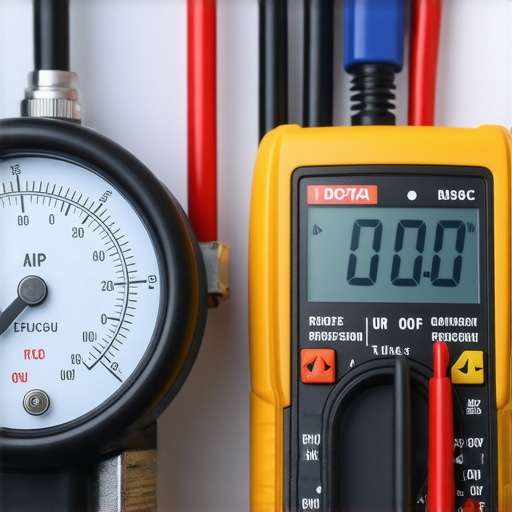
Maintaining your dishwasher’s performance over time requires having the right tools at hand. I personally swear by a high-quality multimeter, which helps me quickly diagnose electrical issues without guesswork. A digital pressure gauge is invaluable for verifying water pressure compliance, especially crucial for maintaining warranty standards. Additionally, I recommend a set of precision screwdrivers and a flexible inspection camera; the latter allows me to conduct thorough internal inspections without dismantling major components, saving time and preventing accidental damage.
Why I Use a Digital Pressure Gauge Regularly
Monitoring water pressure is often overlooked but can make or break your appliance’s durability. Using a reliable digital pressure gauge, I verify that the supply pressure stays within the recommended range—usually between 20 and 120 psi. This simple step ensures your inlet valve and pressure regulator are functioning correctly, preventing leaks or overpressure scenarios that could void warranties. For a detailed guide on how to interpret pressure logs, check this article.
Software Solutions for Ongoing Maintenance
Beyond physical tools, I rely on specialized diagnostic software compatible with smart dishwashers. These programs allow me to access internal logs, sensor readings, and error codes remotely. Having a digital record helps identify patterns or developing issues before they escalate. For example, I regularly back up digital logs of operational data, which serve as evidence for warranty claims if needed. As the industry moves toward connected appliances, leveraging these tools will become even more critical for proactive maintenance.
How do I keep my equipment functioning long-term?
Routine checks and preventive maintenance are key. I schedule biannual inspections, focusing on critical parts like door seals, hoses, and filters. Replacing worn gaskets or soil-clogged filters before failure occurs avoids costly repairs and warranty complications. Also, I recommend keeping a digital log of maintenance activities, embedding meta information such as date, part serials, and inspection notes. This practice ensures you’re always prepared to demonstrate your proactive approach during warranty assessments. To streamline this, I use a dedicated app I customized for appliance maintenance, but even a detailed spreadsheet with embedded metadata can suffice. If you’re unsure about which parts to check, this guide offers a comprehensive checklist.
Planning for Future Upkeep and Scaling
As appliances become more integrated, tools like IoT-enabled sensors will help automate diagnostics and maintenance alerts. I predict that in the coming years, predictive analytics will alert homeowners to potential failures before they happen, extending appliance lifespan. For now, I suggest starting with implementing simple digital logs and verifying your parts’ serial numbers periodically, especially if you’ve customized your setup or replaced components. Remember, thorough documentation using metadata not only simplifies troubleshooting but also boosts your warranty protection, as outlined here.
Make Your Maintenance Count
Don’t wait until your dishwasher breaks down to act. Incorporate these precise tools and maintenance strategies into your routine today. For instance, I challenge you to calibrate your digital pressure gauge this week and record the data with embedded metadata. Doing so ensures you’re always prepared and can confidently defend your warranty if needed. Remember, proactive measures and the right tools make all the difference in keeping your dishwasher working efficiently for years to come.
How Overconfidence Nearly Cost Me My Coverage
I used to think that following the installation manual was enough, but I learned the hard way that missing small details like serial number embeds or date stamps could jeopardize my entire warranty. That realization hit after I received a denial letter, prompting me to reevaluate my approach.
My Eye-Opening Discovery About Metadata
I discovered that embedding metadata—such as date, location, and part serial numbers—into digital logs significantly strengthens your claim. It’s like leaving digital footprints that affirm your compliance, a lesson I wish I had known sooner.
Why Cutting Corners Always Backfire
Choosing cheaper parts or skipping documentation might save money upfront but can invalidate warranties later. I realized that material quality and meticulous record-keeping are gatekeepers of warranty validity—saving me from costly repairs and headaches.
The Value of Personal Rituals for Peace of Mind
Developing habits like photographing every repair step, labeling parts clearly, and maintaining a digital journal has transformed my confidence. These practices turn complex warranty claims into manageable processes, giving me peace of mind during potential disputes.
Turning Insights Into Action: Your Next Step
The biggest lesson? Protect your investment by making detailed documentation a non-negotiable part of every repair. Implementing simple tools and habits can be a game-changer, ensuring your warranty coverage remains intact well past 2026.
My Essential Toolkit for Dishwasher Maintenance
I trust high-quality digital pressure gauges for accurate readings, as they provide irrefutable proof of proper operation. A reliable multimeter keeps electrical issues in check, while a digital photo editor allows me to embed metadata directly into images. For comprehensive guidance, the parts checklist has been invaluable.
Resources That Make the Difference
In my journey, certain tools and references have been lifesavers: Specialty parts kits tailored for DIYers, guides on proper parts selection, and expert blogs that decode warranty nuances. Investing in these resources pays dividends in confidence and protection.
Your Journey Starts Now—Don’t Hesitate
Taking control over your dishwasher’s longevity isn’t just possible—it’s empowering. Start implementing meticulous documentation, embrace quality parts, and leverage the right tools today to safeguard your warranty and ensure years of trouble-free operation.
What’s the one step you’re excited to try first? Share your plans below—I’d love to hear about your proactive strategy!
Related Posts
Why 2026 Warranties Fail Without This Specific Drain Hose Loop
It was a frustrating Saturday when my brand-new dishwasher decided…

Ensuring Long-Lasting Warranty & Parts for Smart Dishwashers
My Journey to a Reliable Dishwasher ExperienceWhen I first invested…
Maximize Your Warranty & Parts for Smart Dishwashers in 2025: Reliable Repair Tips
Ever felt that sinking feeling when your smart dishwasher suddenly…