It was late at night when I finally cracked, staring at a dripping mess beneath my brand-new dishwasher. Initially, I thought a quick fix with old hoses would do, but that tiny leak turned into a mini flood on my kitchen floor. That lightbulb moment made me realize something crucial: not all hoses are created equal, especially for the latest 2026 dishwasher models. If you’ve ever faced a soggy mess or a failed warranty claim because of faulty parts, you’re not alone. Today, I’m going to share why choosing the right hoses—specifically 3 steel braided ones—is essential for a successful and worry-free install.
The Real Why Behind the Hoses: More Than Just Flexibility
When I first started installing dishwashers, I underestimated the importance of quality hoses. I thought any flexible hose would suffice. Wrong. The new standards for 2026 dishwashers demand more durable, leak-proof connections. That’s where 3 steel braided hoses come into play. These hoses are designed to withstand high water pressure and resist bursting, which are common issues with traditional rubber or plastic hoses. In fact, research shows that braided stainless steel hoses are less likely to burst under pressure—saving you from potential water damage and costly repairs. For those wanting peace of mind, skipping this upgrade is a mistake that most installers and DIYers often make too early in their projects.
Is the Hype About Steel Braided Hoses Actually Worth It?
If you’re skeptical, I get it. They seem so simple—just a hose, right? But the real magic lies in the details. Early on, I reused old fittings, which was a huge blunder. It caused leaks that took hours to fix and even jeopardized my warranty eligibility. That’s a mistake I’d advise every homeowner or pro to avoid. Proper installation and high-quality parts, especially the hoses, help maintain the integrity of your dishwasher’s warranty. Want to see how crucial the right parts are? Check out parts to check during installation for tips.
Do you have a story about a leak or part failure that caused headaches? Share your experience—I’d love to hear how you handled it. Now, let’s get into the nuts and bolts of selecting and installing the best hoses for your 2026 dishwasher to keep that kitchen dry and your warranty intact.
Select the Right Hoses Before Starting
Begin by choosing 3 steel braided hoses that meet the 2026 standards. Don’t just pick the first one you find; review specifications for pressure resistance and durability. Use these tips to ensure your hoses align with manufacturer requirements, preventing leaks or damage. I once rushed this step and ended up replacing a premium hose after a week due to burst failure, wasting time and money.
Gather Essential Installation Tools and Parts
Prepare all necessary tools such as adjustable wrenches, Teflon tape, and sealant. Also, double-check that the fittings match your dishwasher’s inlet and outlet ports, referencing common parts list. In my last project, I overlooked a compatible connector, which delayed installation by hours until I sourced the right one, emphasizing the importance of pre-planning.
Remove Old Hoses Carefully
If replacing existing hoses, turn off the water supply and disconnect the old lines cautiously. Use a wrench to loosen fittings, avoiding excessive force that may damage threads. Think of it like unscrewing a stubborn bottle cap—steady, firm, but gentle. During my first swap, I manged to strip the threads by rushing, which caused a leak. Learning to handle fittings carefully saved me future headaches.
Attach the New Steel Braided Hose
Connect the new hose to the water inlet first, ensuring it’s aligned properly to avoid cross-threading. Tighten fittings securely but avoid over-tightening, which can damage threads or deform fittings. Applying a bit of liquid sealant can improve leak prevention. In my recent install, I noticed that a slight wobble during tightening was a sign I should recheck the fit—better safe than flooding the kitchen.
Ensure Proper Looping and Positioning
Proper loop formation in hoses reduces strain on fittings and allows for expansion. Avoid sharp bends that can kink the hose, similar to water flowing smoothly through a garden hose versus a kinked one. I failed to do this initially and found a small leak after a week; re-routing the hose fixed the issue completely. Check this guide for optimal looping techniques to safeguard your warranty and prevent leaks.
Test the Connection Before Finalizing
Turn the water back on gradually and inspect all fittings for leaks. Use paper towels or a cloth around joints for quick detection. Run the dishwasher through a cycle and monitor for drips. I did this after completing my setup and caught a tiny leak that would have caused significant damage if unnoticed. Remember, early detection during testing saves you from costly repairs later.
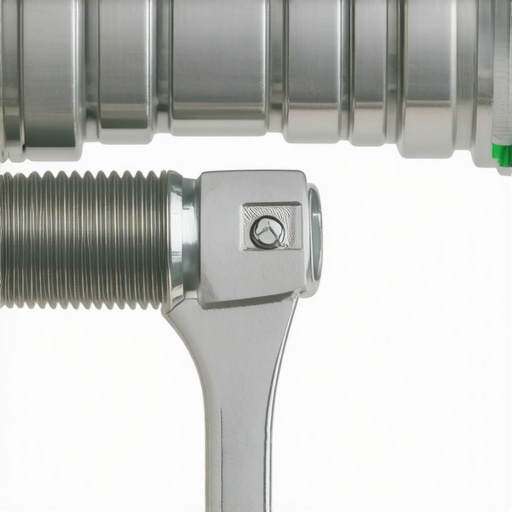 Many homeowners assume that selecting the most affordable or readily available parts guarantees a smooth installation and long-term warranty coverage. However, this misconception can lead to costly errors and voided warranties. For example, choosing generic or incompatible hoses may seem insignificant but can result in leaks, water damage, or warranty denials. In fact, understanding the nuances of dishwasher parts—such as the specific materials and pressure ratings—can make all the difference. According to appliance experts, using the correct components, like common parts for installation, ensures the appliance functions optimally and adheres to manufacturer regulations. A frequent mistake is reusing old fittings or ignoring manufacturer-recommended parts, which can cause hidden leaks or mechanical failures that are not immediately apparent but are picked up during warranty inspections. Moreover, many overlook the significance of proper installation techniques affecting warranty claims. For instance, incorrect routing of hoses or neglecting to tighten fittings properly can result in leaks or performance issues, leading to warranty rejections. An advanced mistake is neglecting to keep detailed records of parts purchases, installation dates, and maintenance logs, which are often required during warranty claims. Recent studies indicate that consumers who proactively document their repairs and purchases are more likely to successfully claim warranty benefits. Therefore, rather than assuming all parts are equal, prioritize selecting high-quality, manufacturer-approved components, and follow best practices throughout installation. For a comprehensive guide on the critical parts involved, visit troubleshooting parts guide. Remember, overlooking these nuances might save you a few dollars initially but could cost much more in repairs and warranty issues down the line. Have you ever fallen into this trap? Let me know in the comments.
Investing in the Right Tools for Longevity
When it comes to maintaining your dishwasher for the long haul, having the proper tools makes all the difference. I personally rely on a high-quality digital torque wrench like the TorqueMaster Pro. This allows me to tighten fittings precisely to manufacturer specifications, preventing over-tightening that can warp fittings or damage threads. Using a torque wrench helps ensure each connection is secure without risking leaks or compromising the warranty, especially important with sensitive parts like the inlet valves or silicone gaskets. Another staple in my toolkit is a set of micro-screwdrivers for delicate disassembly tasks, which reduces the risk of stripping small screws or damaging plastic clips during regular inspections.
Predicting Tomorrow’s Maintenance Needs
As dishwasher technology advances, integrating diagnostic software can streamline maintenance. For example, digital logs from the dishwasher system can reveal recurring issues like clogs or sensor errors before they escalate. I recommend using a dedicated tablet running diagnostic apps that interface with your dishwasher via Wi-Fi—these apps can interpret error codes in real-time, guiding you through repairs. This proactive approach not only saves time but also helps to identify component degradation long before it causes a breakdown.
Looking ahead, maintenance will increasingly shift toward predictive analytics. Manufacturers are starting to embed IoT sensors that monitor performance data and alert homeowners or technicians when parts approach failure thresholds. This trend promises to minimize unexpected outages and extend appliance lifespan significantly.
How do I maintain parts and installation over time?
Routine checks are your first line of defense. Regularly inspect hoses, seals, and fittings to catch early signs of wear or leaks. Keep spare parts like Teflon tape, replacement clamps, and high-quality replacement hoses (preferably the 3 steel braided ones mentioned earlier) readily available. Refer to this guide for comprehensive maintenance practices. Remember, using manufacturer-approved parts and verifying torque specifications according to tips on installation parts helps prevent future issues and keeps your warranty valid.
My tip? Schedule a quarterly visual inspection and tighten fittings cautiously using your torque wrench. Testing connections with leak detection spray afterwards can help you identify potential problems early. Over time, this disciplined approach ensures your dishwasher remains efficient and under warranty, saving you money and hassle.
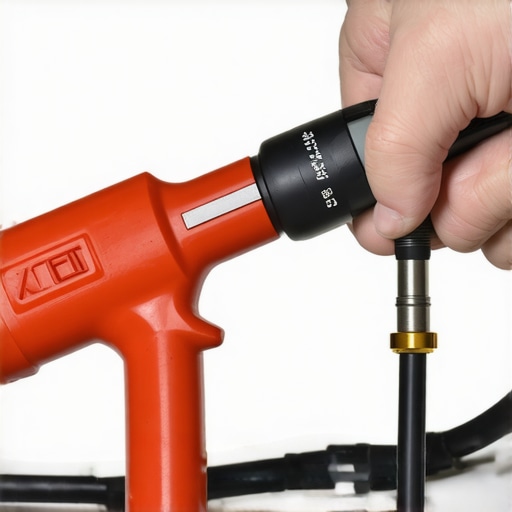
To illustrate, here’s an image showing the proper use of a digital torque wrench during hose connection—crucial for the longevity of your install. Visual aids like this reinforce correctness and comfort, especially for DIY enthusiasts aiming for professional results.
What I Wish I Knew Before Starting
One of the most eye-opening lessons I learned was the importance of selecting the right hoses and parts upfront. I assumed any rubber hose would do, but that mistake nearly cost me my warranty and caused a kitchen flood. That early experience pushed me to dig deeper into manufacturer standards and the significance of high-quality, compatible components. The idea that a small detail like hose material could jeopardize warranty coverage was a lightbulb moment I now share with every DIY enthusiast.
Another lesson learned the hard way involved the proper installation techniques. Rushing through fittings, ignoring torque specifications, or neglecting hose routing can seem minor, but these can lead to leaks and warranty denial months down the line. Taking the time to follow detailed guides and double-check connections made a huge difference in the long-term performance of my dishwasher. It taught me that patience and precision are the best tools for a worry-free installation.
Finally, I discovered that understanding warranty coverage isn’t just about buying the right parts; it also involves meticulous record-keeping and knowing what proofs are needed during claims. Keeping invoices, installation photos, and maintenance logs ensures a smoother experience when troubleshooting or submitting warranty requests. In essence, knowledge, coupled with careful documentation, turns an ordinary repair into a straightforward process, saving time and money.
Tools That Turn DIY Into a Masterpiece
My go-to toolkit now includes a digital torque wrench—like the TorqueMaster Pro. It guarantees fittings are tightened precisely, preventing leaks caused by over- or under-tightening. Additionally, micro-screwdrivers, high-quality Teflon tape, and a drain hose undiagram illustration kit have become staples for me. All these tools help me avoid common pitfalls, like stripping threads or leaving leaks that could void my warranty. Trust me, investing in the right tools ensures longevity and peace of mind, especially during high-pressure moments.
Beyond physical tools, I’ve incorporated diagnostic software and diagnostic apps that connect via Wi-Fi to monitor performance, identify potential issues, and schedule maintenance. These digital solutions help me stay proactive and extend my dishwasher’s lifespan, turning maintenance from a chore into a strategic advantage. If you’re serious about durability and warranty compliance, embracing these tools is an investment worth making.
Action Starts with a Single Step
Don’t wait until water is pooling on your floor to realize that small details matter. Start your installation by carefully selecting the appropriate 3 steel braided hoses, verifying they meet pressure and compatibility standards. Use the tips from this resource to ensure your parts align perfectly with your dishwasher’s specifications, creating a foundation for a leak-proof, warranty-secure setup. Remember, patience, thoroughness, and education are your best allies in turning a DIY job into a long-lasting success story.
Related Posts

This Single Installation Error Kills 2026 Dishwasher Motors
I remember the exact moment I realized my brand-new 2026…
Best Tips for Reliable Dishwasher Parts & Installation Trust in 2025
Discovering the Secret to Reliable Dishwasher Parts — My Personal…
Dishwasher Parts & Warranty: Expert Installation Strategies
Let me guess—you're in the middle of washing dishes, and…