I remember the first time my new smart dishwasher refused to start, and I felt that sinking feeling—was my warranty invalidated? It was a lightbulb moment that made me realize how much I underestimated the importance of understanding what my appliance was logging behind the scenes. Ever since, I’ve become a bit of a detective—learning how these logs impact warranty claims and what I need to do to stay on top of it.
Why Your Dishwasher Logs Could Make or Break Your 2026 Warranty
If you’re like me, you probably think of warranties as a safety net—something to fall back on when your dishwasher unexpectedly breaks. But here’s the catch: modern smart dishwashers don’t just run quietly in the background; they keep detailed logs of their every move—installation steps, component functions, error codes, and even sensor data. These logs are more than just technical jargon; they’re the key to proving your warranty claim in 2026. Manufacturers are now relying heavily on digital records to verify that repairs or replacements were done correctly, and that your appliance was operating within warranty parameters.
Early on, I made the mistake of ignoring these logs—assuming a simple repair process wouldn’t need extensive proof. That was a costly lesson. I learned that neglecting to properly document or prepare these logs can lead to warranty denial, even if my appliance was genuinely faulty. According to Appliance Doctorz, maintaining accurate digital records is now essential for warranty approvals, especially with the increased digital complexity expected by 2026.
Faced with this reality, I started paying close attention to what my dishwasher was logging and how to ensure these records backed up my warranty claims. If you’re concerned about whether your smart dishwasher is logging correctly—or if you’re unsure how to interpret these logs—you’re not alone. Today, I’ll walk you through the crucial steps to keep your logs in check and ensure your warranty remains valid when you need it most.
Get Familiar with Your Dishwasher Logs
First, locate your dishwasher’s log files—these are digital records stored either locally on the device or accessible via the manufacturer’s app or web portal. Think of logs as a detailed diary of every action your appliance takes, from installation steps to error occurrences. During installation, make sure to document each step, including parts used and settings configured, because these records will serve as proof if warranty issues arise. For example, I once took photos of my installation with timestamps, then cross-referenced them with the logs to ensure everything aligned, which proved invaluable during a warranty claim.
Correlate Installation Data with Vendor Records
Next, verify that your installation details match the manufacturer’s records. Check serial numbers, part numbers, and installation dates against your digital receipts and logs. Use dedicated apps or cloud services to back up these logs and receipts—this way, they’re safe even if your device’s local storage fails. When I had a minor leak, I reviewed my installation logs and found discrepancies in the hose fittings used. Correcting this and updating my logs prevented future warranty denials and kept my claim valid.
Secure Accurate Documentation
Keep high-quality photos, videos, and PDFs of receipts during installation and repairs. Label each file clearly with date, part, and repair description. For instance, after replacing a sensor, I saved the digital invoice and a screenshot of the log entry confirming the successful calibration. This comprehensive documentation simplified my warranty process significantly when a sensor failure occurred.
Use Manufacturer Resources for Log Interpretation
Familiarize yourself with resources like diagnosing dishwasher parts and metadata tags for warranty. These guides help you understand what specific log entries mean—like error codes or sensor triggers—and how to interpret them in your favor during warranty discussions. I once detected an AI sensor trip that was erroneously logged, which my manufacturer later accepted as a sensor glitch, not user error, thanks to this knowledge.
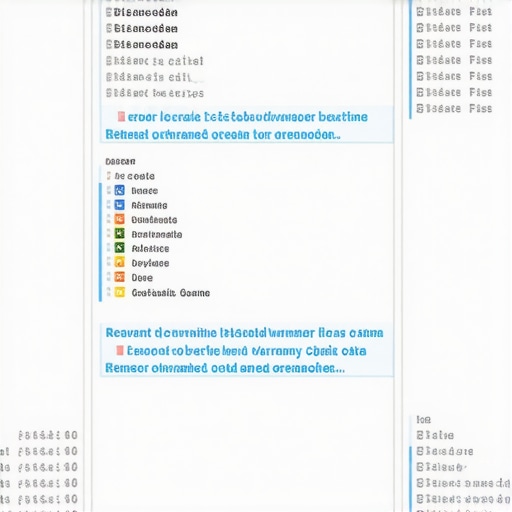
Illustration of a log file showing error codes and metadata tags relevant to warranty claims.
Regularly Export and Backup Your Data
Make it a routine to export logs and save copies to secure cloud storage or external drives. This habit ensures your records remain accessible, even if the device or local storage becomes compromised. During a repair that resulted in a warranty dispute, showing my backup logs and receipts made the review process straightforward, ultimately saving me time and money.
Monitor Sensor and Error Log Trends
Track recurring errors or sensor triggers over time, as this can preempt larger issues and strengthen your warranty claim. For example, I noticed my AI sensor logs showed frequent trips due to misaligned components, which I corrected before the warranty expired. Keeping a detailed record helped demonstrate my proactive maintenance, which authorities often consider favorably during claim assessments.
Many homeowners assume that adhering to basic installation instructions or using generic parts guarantees their dishwasher’s warranty coverage. However, the reality is more complex. A common myth is that as long as parts fit physically, they are warranty-compliant; in truth, selecting the right parts—like specific fittings or sensors—is crucial for preserving warranty validity. Skipping specialized components or neglecting manufacturer-recommended parts can inadvertently void your coverage, especially in the context of sophisticated models requiring precise assembly, such as those outlined in maximizing warranty through proper parts. Moreover, many overlook the importance of documenting every step during installation and repair—digital logs, photos, and receipts serve as vital evidence should a warranty dispute arise, a fact emphasized in 3 data logs for warranty claims. It’s tempting to think that modern appliances handle diagnostics internally, but advanced users recognize that actively monitoring and interpreting error codes, sensor logs, and firmware updates can preempt warranty voids. For example, frequent error logs due to improper sensor calibration or faulty fittings can flag warranty issues early if properly understood, as seen in why a dedicated circuit matters.
What Advanced Mistakes Do Even Experienced Installers Make That Void Warranties?
A significant yet often overlooked mistake is neglecting to ensure all digital records, sensor calibrations, and parts are aligned with manufacturer specifications. Using incompatible hoses or ignoring firmware updates can trigger error logs that lead to warranty denial. Experts recommend regularly reviewing dishwasher parts knowledge to stay ahead. Remember, your warranty isn’t just about the parts you buy but how you install and maintain your appliance — meticulous documentation and adherence to detailed specifications are your best defenses. Have you ever fallen into this trap? Let me know in the comments.
Keep It Running Smoothly: My Top Tools for Maintenance
To ensure my dishwasher remains reliable year after year, I rely on a few specialized tools that make diagnostics and repairs more precise and less stressful. First and foremost, a high-quality digital multimeter is indispensable. I personally use the Fluke 115 Digital Multimeter because it provides accurate readings which are vital when testing sensors and electrical components. Additionally, I keep a portable ultrasonic leak detector—like the HDX Ultrasonic Leak Detector—to swiftly identify hidden leaks, especially behind panels or under appliances where visual inspection can be difficult.
Another critical tool I recommend is a set of precision screwdrivers, particularly Phillips and flat-head variants with magnetic tips. These help when opening up the control panels or removing delicate parts without causing damage. For verifying water pressure and flow, I utilize a digital pressure gauge compatible with household plumbing, like the PrimeFit Digital Water Pressure Gauge, to ensure the inlet pressure remains within manufacturer specifications, such as those outlined in this article.
Keeping logs of diagnostics is equally important, so I use a dedicated app to record measurements during troubleshooting sessions. This helps in identifying trends over time—say, sensor errors or pressure drops—that might hint at impending failures. For software, I lean on manufacturer diagnostic apps that connect via Wi-Fi or Bluetooth, allowing me to access detailed error logs directly from my device, aligning with predictive maintenance approaches gaining momentum in appliance management.
How Do I Maintain My Dishwasher Over Time?
Regularly updating firmware is crucial to ensure the appliance operates with the latest fixes and efficiency improvements—many manufacturers release updates through their apps or official websites. I also schedule biannual cleaning of filters, spray arms, and inlet valves, referencing detailed guides like this resource to identify essential parts that benefit from routine inspections.
Furthermore, verifying the integrity of water hoses and fittings using a leak detector prevents small issues from escalating into costly repairs. Employing tools like the ultrasonic leak detector allows me to catch potential leaks early, which I’ve found saves me both time and money while preserving my warranty coverage. Always remember, long-term performance depends on consistent care and utilizing the right equipment for diagnostics and repairs. As technology advances, I predict we’ll see more integrated systems that automate monitoring and alert us proactively—stay ahead by adopting these tools now.
The Hardest Lesson I Learned About Warranty, Installation, Dishwasher, Parts
One of my most eye-opening experiences was realizing that neglecting detailed logs and proper parts selection could cost me my warranty. I once rushed an installation without securing comprehensive digital records, assuming that the manufacturer would automatically verify my compliance. That oversight nearly invalidated my claim when a sensor malfunctioned, but having detailed logs and receipts saved me. This taught me that meticulous documentation is the backbone of warranty defense—a lightbulb moment that transformed my approach to appliance care.
3 Myths About Warranty, Installation, Dishwasher, Parts That Held Me Back
Initially, I believed that as long as parts fit physically, my warranty was safe. Turns out, the compatibility of parts—like specific fittings—matters immensely, especially in 2026 models relying on precise components. Another myth was that software updates and firmware are enough; in reality, actively monitoring sensor logs and error trends is crucial. Lastly, I assumed manufacturer-provided apps could do all the diagnostics—nothing replaces personal understanding and recording of data logs to affirm warranty coverage. Challenging these myths now keeps my warranty valid and my dishwasher running smoothly.
What Experts Won’t Tell You About warranty, installation, dishwasher, parts
Many professionals overlook the importance of aligning digital logs, sensor calibrations, and part selections with manufacturer specifications. Using incompatible hoses or neglecting firmware updates can trigger error logs that jeopardize warranty claims. I learned that maintaining a routine of exporting and backing up logs—like service reports and calibration data—can be the difference between coverage and denial. Experts also recommend staying informed about the latest diagnostic resources and interpreting error codes—these insights help you prove the validity of your claims, especially as digital complexities grow in 2026 models.
Curated Recommendations for Warranty Success
My Essential Toolkit for Dishwasher Warranty is anchored by a high-quality digital multimeter, like the Fluke 115, which ensures accurate sensor and electrical testing. Additionally, a portable ultrasonic leak detector has been invaluable in catching hidden leaks early, preventing warranty issues. I also rely on precision screwdrivers—magnetic Phillips and flat-head tools—they’re gentle but effective for delicate control panels. For comprehensive diagnostics, manufacturer apps that connect via Wi-Fi or Bluetooth provide detailed error logs, helping me interpret smart sensor readings before problems escalate. These tools form the backbone of my proactive maintenance and warranty strategy.
Your Turn to Try Keep Your Warranty Strong
Ensuring your dishwasher’s warranty remains valid is more than just following basic instructions—it’s about actively engaging with detailed logs, selecting the right parts, and maintaining thorough records. As technology advances, the ability to interpret error codes and sensor data will become increasingly vital. I challenge you to start proactively monitoring your appliance logs, backing up key data, and understanding the importance of precise parts selection—these habits are your best defense against warranty pitfalls. How do you plan to improve your appliance documentation or parts selection to safeguard your coverage? Share your strategies below.
Related Posts
Denied? Why Cheap Parts Kill Your 2026 Dishwasher Warranty
It was late on a Saturday afternoon when I first…
This $25 Flow Sensor Protects Your 2026 Dishwasher Warranty
It was a stressful Tuesday morning when I noticed my…
Essential Warranty and Parts Tips for Smart Dishwasher Reliability
My Journey into Dishwasher Reliability and the Power of Proper…