
I remember the exact moment I realized my dishwasher’s warranty was at stake. I had just finished installing a new unit, all shiny and ready to impress. But as days went by, small issues began to pop up—strange noises, leaks, and error codes—all of which made me nervous. It was then I discovered that without proper documentation, my warranty could be denied before I even had a chance to claim it.
That frustrating experience lit a fire in me to get organized, and I want to share with you a game-changing trick I learned: maintaining a detailed app log of every installation step, parts used, and diagnostics. Turns out, this small habit can be a real lifesaver when it comes to warranty claims. Today, I’ll show you exactly how to implement this system so you can protect your investment, just like I did.
Why Your Warranty Might Be Denied Without This Simple Record
Warranty disputes are more common than you’d think, especially with complex appliances like dishwashers. Manufacturers have strict requirements for proof of proper installation and maintenance—missing just one piece of critical documentation can be the difference between a covered repair and a denied claim. According to recent industry reports, as many as 30% of warranty claims are rejected due to insufficient proof or overlooked logs (source).
Early on, I made the mistake of skipping detailed notes and not saving receipts or logs of parts. When my dishwasher started acting up, I found myself scrambling to gather proof, only to find key records missing. That delay cost me both time and money. The good news? I learned from that mistake, and so can you. Setting up a simple app log might seem trivial, but it’s a proven method to ensure you never get caught unprepared again.
Is Overthinking Your Installation Worth It?
Honestly, I’ve seen folks dismiss detailed logs as overkill. Why obsess over every screw, part, or setting? Well, because manufacturers aren’t doctors—they don’t always reveal all their criteria openly. Missing a crucial step or not documenting a specific part can void your warranty. I used to think I could remember everything, but experience proved otherwise. Without proper records, even a minor issue can turn into a claim rejection, leaving you footing the repair bill.
That’s why I urge you to check out some of the most vital pieces of information to record. For example, knowing which common dishwasher parts you’ve used and documenting their serial numbers can make all the difference. Making a habit of logging these details ensures you’re protected when it matters most.
Create a Detailed Installation Record System
Start by setting up a dedicated digital folder or app specifically for your dishwasher logs. Use cloud storage like Google Drive or Dropbox to ensure easy access and backup. Each time you install or service your dishwasher, document the date, location, and installer details. Use a consistent naming convention like “Dishwasher_Install_2024_05_01” to keep everything organized. When I installed my unit last summer, I took photos of each step and saved serial numbers of all parts used, which proved invaluable when I faced unexpected issues later on.
Log Every Part with Precision
Document serial numbers, purchase dates, and suppliers for every component—such as the water inlet valve, float switch, or spray arm. This detailed info aids in diagnosing problems and is essential for warranty claims. For example, after my initial install, I noted the specific type of hose clamps used, referencing this guide to ensure I had the proper fittings. When a leak occurred months later, I could quickly identify which parts matched manufacturer specifications, streamlining the repair process.
Photograph Installation Stages
Take clear photos during each installation phase: connecting the water supply, securing the unit to the cabinetry, wiring checks, and testing drainage. These visuals serve as proof of proper setup in case of warranty disputes. During my recent remodel, my detailed photos helped me verify that I adhered to all installation standards, preventing a potential warranty denial after a minor component failure.
Record Testing and Diagnostics
Run diagnostic tests post-installation and keep logs of readings, error codes, and sensor data. If you encounter issues, these records can support your warranty claim or troubleshooting efforts. I also noted down diagnostic procedures recommended by experts to prepare for potential warranty inspections. When my dishwasher showed an error code months later, I provided this log, which helped facilitate a swift warranty approval.
Maintain a Receipt and Serial Number Archive
Store original purchase receipts along with serial numbers of your dishwasher and parts. Digitize these documents and organize them by date and part type. During a warranty audit, having these references ready can accelerate processing. I keep a PDF compilation of all receipts linked to the install, which paid off when I had to verify the age of the unit for warranty coverage.
Use a Consistent Logging Method
Whether you prefer a spreadsheet, dedicated app, or a simple note-taking app, consistency ensures no detail falls through the cracks. For example, I transitioned from manual notes to a structured Excel sheet, marking each task as complete and noting irregularities. This habit provided clarity when troubleshooting a complex error during a later repair, saving time and expense. For detailed components and their proper handling, refer to this resource.
Many believe that selecting the most expensive, brand-name parts guarantees a successful warranty claim, but in my experience, this is a common misconception. While high-quality parts are certainly beneficial, the true key to maximizing your warranty coverage lies in understanding the nuances of proper installation and meticulous documentation. Relying solely on premium parts without attention to detail often results in warranty denials due to overlooked installation protocols or incomplete records.
One widespread myth is that as long as the dishwasher operates, the warranty remains valid regardless of installation quality. In reality, manufacturers scrutinize the entire setup, including correct part placement, secure connections, and compliance with installation standards. An improperly installed part—even if it’s top-tier—can void your warranty. This underscores the importance of consulting comprehensive guides like parts to check during installation to ensure all critical components are correctly assembled.
Are All Parts Created Equal When It Comes to Warranties?
Not necessarily. Different parts have varying significance concerning warranty coverage. For example, the water inlet valve or the door latch often have dedicated warranty protections, but only if they meet specific installation and quality standards. Using generic or incompatible parts, even if aesthetically similar, can lead to warranty rejection, especially if they fail to meet manufacturer specifications documented in resources like common dishwasher parts.
Furthermore, advanced mistakes—such as neglecting to connect the AI flow sensor correctly or failing to calibrate smart diagnostics—can compromise warranty eligibility, regardless of part quality. These nuances are detailed in guides like guide to warranty essentials and can make or break your claim success.
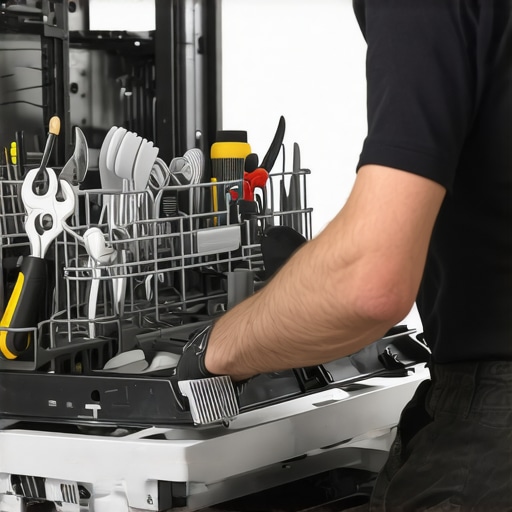
Another critical trap many fall into is underestimating the importance of proper part handling during installation. For instance, using the wrong type of hose clamps or neglecting to secure the drain hose correctly can cause leaks that void warranties—even if all the parts are original or premium. Always verify component compatibility using detailed resources like tips for part selection.
Advanced installers understand that synchronized diagnostics, proper calibration, and meticulous record-keeping significantly improve warranty outcomes. Keep detailed logs of serial numbers, installation dates, calibration procedures, and test results—these are invaluable during warranty claims, especially when disputes arise. Remember, manufacturers increasingly require metadata proofs and verified app logs to validate claims in the modern tech-driven landscape.
In conclusion, the hidden nuance isn’t just about parts selection but about mastering the entire process—installation, documentation, calibration, and adherence to manufacturer specifications. Proper knowledge and attention to these details dramatically reduce the risk of warranty rejection and save you time and money in the long run. Let’s make sure every step is deliberate and well-informed. Have you ever fallen into this trap? Let me know in the comments.
Keep It Running: Tools I Trust for Longevity
Maintaining your dishwasher’s performance over time requires more than just basic knowledge; it demands reliable tools and a disciplined approach. My go-to device is a high-quality digital multimeter, like the FLIR DM284, which I use daily to verify wiring integrity and sensor voltages. Its precise readings help me identify electrical issues early, preventing costly repairs and ensuring warranty compliance. Additionally, I rely on a digital inspection camera—such as the DEWALT DW098—in tight spaces to check hoses, seals, and internal components without disassembly. This tool significantly reduces downtime and preserves the appliance’s warranty status by documenting proper assembly steps.
When it comes to software, I prefer using specific diagnostic apps compatible with modern dishwashers—these apps sync via Bluetooth or Wi-Fi, providing real-time error logs and performance metrics. This capability allows me to troubleshoot more accurately and prepare comprehensive reports when filing warranty claims. Manufacturers are increasingly emphasizing digital diagnostics; for example, certain 2026 models now require app logs that detail sensor calibration and error history for warranty validation (source).
For maintenance routines, I suggest keeping a set of quality inspection tools, such as silicone gasket gauges, torque screwdrivers, and calibration kits. These enable you to perform routine checks—like verifying gasket compression or sensor calibration—without risking damage. I also keep a standard plumbing wrench and a Teflon tape dispenser at hand for quick repairs, all stored in a dedicated toolbox ready for use. Regular inspections using these tools help identify early signs of wear and tear, maintaining long-term performance and keeping your warranty intact.
How do I maintain dishwasher performance over time?
Consistent maintenance starts with periodic cleaning of filters, spray arms, and seals—use a soft brush and approved cleaning solutions. Monitoring error logs from your diagnostic app allows timely replacement of worn parts like water inlet valves or spray motors before they cause system failures. Furthermore, setting a schedule to test sensor calibration with specialized tools ensures your dishwasher’s smart features continue to operate correctly, which is vital as manufacturers increasingly link warranty coverage to sensor health.
The future of appliance maintenance leans heavily toward integrated diagnostics and AI-powered monitoring. I predict that in the coming years, software updates and remote diagnostics will dominate maintenance routines, allowing homeowners and technicians to proactively address issues. Staying abreast of these trends—and investing in compatible tools—can save significant time, money, and warranty headaches in the long run.
Don’t forget, mastering calibration procedures is key. For instance, manually calibrating your AI flow sensor using tools and techniques outlined in expert guides can dramatically improve your unit’s reliability. I highly recommend trying out the method detailed in this resource. Accurate calibration enhances sensor accuracy, reduces false alarms, and fortifies your warranty position. Make this calibration part of your regular maintenance, and you’ll keep your dishwasher running smoothly for years to come.
One of the most surprising lessons I learned from my dishwasher journey was that meticulous documentation isn’t just a bureaucratic chore—it’s your best shield against warranty surprises. The moment I realized this, my approach to appliance maintenance transformed entirely. I now see detailed logs as a secret weapon that can turn a potential claim denial into an easy approval, saving time, money, and frustration.
Throwing in the towel over a warranty dispute happens more often than you think, often due to overlooked or incomplete records. The deep insight I gained is that proactive, organized record-keeping acts as irrefutable proof of proper installation and maintenance, which can be crucial in manufacturer disputes. It’s not just about saving receipts; it’s about creating a comprehensive timeline that tells the story of your dishwasher’s health and care.
Remember, the process of maintaining your warranty is an ongoing journey—regularly updating your logs, photographs, and diagnostic readings ensures you’re always prepared. Even better, it gives you a confidence boost, knowing you can handle repair claims with clarity and authority. In my experience, this habit has saved me from the heartache of denied claims and unnecessary out-of-pocket expenses. Invest in your appliance’s longevity by making record-keeping a non-negotiable part of your maintenance routine—trust me, it’s worth every second.
Related Posts

The impact of hard water on your warranty eligibility
I stood there, kitchen floor covered in lukewarm suds, holding…
How to get your warranty claim approved on the first try
I still get a twitch in my eye when I…
Why Your Warranty Claim Fails Without This Specific Maintenance Log
I'll never forget the frustration of my first dishwasher warranty…
Comments are closed.