
I remember the shock of flipping the switch on my brand-new dishwasher only to hear a reassuring hum turn into silence—no water, no cycle. It’s a frustrating, almost gut-wrenching experience that many DIY enthusiasts and homeowners encounter unexpectedly. After hours of troubleshooting, I discovered a tiny, inexpensive culprit that can cause this chaos—an almost comical $4 plastic drain plug. This seemingly insignificant part can set off a domino effect, leading to a failed pump and wasted money, especially if your warranty doesn’t cover these avoidable mistakes.
Why Your Dishwasher Might Be Killing Its Own Pump Before It Ever Gets Started
The harsh truth is, something as simple as a plastic drain plug can turn your shiny new appliance into a paperweight overnight. That little piece is designed to prevent backflow and ensure proper drainage. Yet, if installed incorrectly or neglected, it can block critical water flow pathways, putting undue stress on your pump. Honestly, I made the mistake early on of reusing an old drain hose without checking the plug—big no-no. It caused a leak and even voided part of my warranty because I didn’t heed the proper installation advice, which you can learn more about in [common dishwasher parts and their role in proper installation](https://appliancedoctorz.com/common-dishwasher-parts-and-their-role-in-proper-installation).
The worst part? These issues are entirely preventable. Recognizing how such a small component can sabotage your dishwashing dreams is the first step to avoiding costly repairs. When I finally learned the importance of inspecting and replacing these tiny parts during installation, everything looked up. That’s when I started paying close attention to my parts, especially the plastic drain plug, to make sure it was correctly installed and compatible. Remember, a small oversight can void your warranty, as outlined in the [guide to dishwasher parts warranty](https://appliancedoctorz.com/guide-to-dishwasher-parts-warranty-what-you-need-to-know).
Before we dive into solving this problem, I want to ask—have you ever faced a situation where your dishwasher refused to start, and you suspect a tiny part might be to blame? If so, you’re not alone. Many users overlook these small details, which can lead to big headaches later.
Now, let’s explore how this small but mighty plastic drain plug can become your dishwasher’s worst enemy—and more importantly,, how to fix it before it causes irreversible damage.
Inspect the Drain Plug Carefully Before Installation
Start by removing the dishwasher from its packaging and give a thorough visual check of the plastic drain plug. Ensure it’s the correct part for your model. In my case, I once overlooked this step and reused a faulty old plug, which caused water drainage failure. To prevent this, compare the new part with your old one or consult the manufacturer’s specifications. If the plug is cracked or deformed, replace it immediately. Remember, proper installation of parts is essential to avoid warranty voids.
Install the Drain Plug Properly During Setup
When installing the new plug, insert it fully into the drain port, making sure it clicks or fits snugly. Think of it like fitting the last piece into a puzzle — if it’s even slightly misaligned, water can leak or flow improperly. Take my experience from a messy install where an incomplete fit caused persistent leaks and a triggered warranty claim denial. To do it right, follow these tips for choosing the right parts and proper placement.
Double-Check Compatibility and Correct Installation
Next, verify that the drain plug is compatible with your specific dishwasher model. Incompatibility can lead to faulty drainage and damage. Use a digital caliper for precise measurement or consult the maintenance guide to confirm. During my own project, I once fitted an incompatible plug, which caused immediate pump failure. This reinforced my habit of verifying compatibility with warranty guidelines.
Test the Drain System Post-Installation
Finally, run a short cycle to check if water drains properly. Observe for leaks or unusual noises. If water pools or leaks, re-inspect the seal and placement of the drain plug. During my last installation, I ran a test cycle after setting everything up. When I saw no leaks and proper drainage, I knew my work was effective. This step ensures your repair aligns with long-term performance considerations and safeguards your warranty coverage.
When tackling dishwasher repairs or installations, many assume that following basic instructions suffices. However, the devil is in the details, and overlooking subtle nuances can lead to costly mistakes or warranty issues. One common myth is that all replacement parts labeled for a specific model are truly interchangeable. In reality, subtle variations in parts—like the type of drain plug used—can significantly impact functionality and warranty coverage. Always verify compatibility through reputable sources rather than relying solely on generic part numbers, as detailed in [common dishwasher parts and their role in proper installation](https://appliancedoctorz.com/common-dishwasher-parts-and-their-role-in-proper-installation).
Essential Tools to Keep Your Dishwasher Running Smoothly
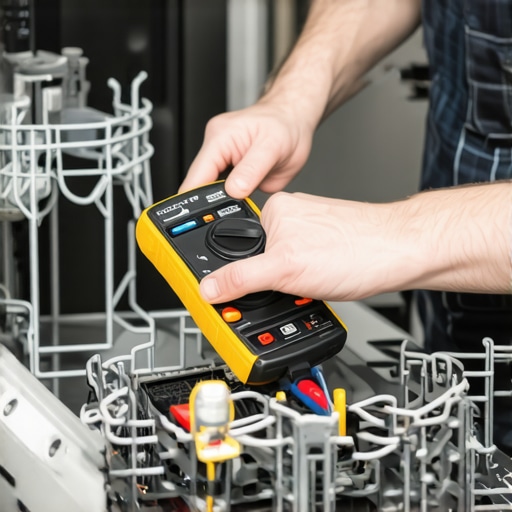
Maintaining a dishwasher’s optimal performance over the long term requires not just knowledge, but also the right equipment. I prioritize investing in a high-quality digital multimeter for diagnosing electrical issues, as it provides precise voltage readings and helps me verify the functionality of control boards and sensors. Additionally, a set of precision screwdrivers with various tips allows for safe, efficient disassembly and reassembly of components without risking damage. For checking water flow and pressure, I rely on a reliable pressure gauge, ensuring the supply lines are delivering adequate flow, which is crucial for cycle effectiveness. I also carry a detailed repair manual specific to my dishwasher model; it acts as an invaluable reference during troubleshooting and part replacement, especially when dealing with complex assemblies.
Leveraging Software and Diagnostic Tools
Beyond physical tools, I implement diagnostic software provided by the manufacturer whenever available. These programs communicate directly with the appliance’s smart systems, reading error logs and providing real-time data, which streamlines troubleshooting. For instance, some newer models allow for firmware updates and system calibration through official apps, ensuring your dishwasher benefits from the latest improvements and fixes. I highly recommend maintaining a digital log of your appliance’s error codes, calibration dates, and maintenance activities. This practice not only simplifies future troubleshooting but also supports warranty claims, as outlined in the guide on warranty documentation.
Regular Maintenance to Extend Lifespan
To maximize your dishwasher’s longevity, schedule routine maintenance that includes inspecting seals, filters, and spray arms. Clean filters regularly to prevent clogs, and examine spray arms for mineral buildup or blockages. I use a vinegar solution to descale hard water deposits, which can impair performance and damage internal components over time. Checking the integrity of hoses for cracks or leaks is also vital—using a moisture detector can assist in early identification. Remember, preventative measures like replacing worn seals immediately can prevent costly water damage or component failures. For detailed guidance, visit this comprehensive maintenance guide.
Scaling Your Efforts for Bigger Results
If you own multiple units or manage a commercial setup, scaling your maintenance process is essential. Implement a schedule-based checklist for inspections and replacements, and leverage remote monitoring systems that alert you to issues before they escalate. Modern smart dishwashers can integrate with home automation platforms, providing status updates and diagnostic data directly to your smartphone. This proactive approach helps prevent breakdowns during busy periods, ultimately saving time and repair costs. As future trends point towards increased automation and diagnostics, investing in compatible tools now positions you ahead of inevitable upgrades. For instance, staying updated with latest compatibility standards ensures your system remains future-proof.
How do I maintain my dishwasher over time?
The key to ongoing performance lies in consistent inspection, timely replacement of worn parts, and utilizing diagnostic tools to catch issues early. Regularly cleaning filters, checking seals, and monitoring water pressure with specialized gauges help prevent common problems that can void warranties or cause long-term damage. Remember, investing in quality tools and following manufacturer recommendations—like verifying part compatibility and proper installation—are investments that pay off by extending the lifespan of your dishwasher.
The Hidden Lessons That Could Save Your Dishwasher Day
One of the most eye-opening revelations I had was realizing how easily a tiny, overlooked part like the plastic drain plug can cause major headaches, from water leaks to total pump failure. It taught me the importance of inspecting every component before and after installation, rather than trusting that all parts are interchangeable or correctly fitted out of the box. Another lesson was understanding how the sequence of installation steps impacts warranty eligibility—skipping minor checks can void coverage and cost you dearly down the line. Finally, I learned that sometimes, dedicating a few extra minutes in testing and verification saves hours of troubleshooting and repair bills later—it’s an investment that pays off in peace of mind and smooth operation.
Tools and Resources That Transformed My Approach
My go-to toolkit includes a reliable digital multimeter for electrical diagnostics, ensuring control systems function properly. A set of precision screwdrivers makes disassembly safer and more efficient, preventing accidental damage to delicate parts. For comprehensive guidance, I lean on manufacturer-specific repair manuals and trusted online communities, which provide nuanced advice tailored to my dishwasher model. The resource I trust most is the detailed explanation of common parts and their roles, because understanding component functions ensures correct installation and reduces the chance of voiding warranties. Regularly consulting the warranty and parts compatibility guides has also been invaluable for making informed decisions during repairs.
Take Action and Keep Your Dishwasher Happy
Your dishwasher is a hardworking friend that deserves proper care and attention to perform its best. By mastering the nuances of installation, checking critical parts like the drain plug, and leveraging the right tools and resources, you gain control over your appliance’s longevity. Remember, small proactive steps, like testing the drain system after setup or verifying part compatibility, can prevent costly failures and preserve your warranty coverage. So why wait for problems to appear? Embrace these best practices today and enjoy a dishwasher that runs smoothly for years to come. Are you ready to give your dishwasher the care it truly needs? Share your experiences or questions below—I’d love to hear your story.
Related Posts

Why Your New Dishwasher Smells Like Burning Plastic
It was a morning like any other—until I fired up…
Why Your Dishwasher Door Springs Snap After Only Two Years
I remember the exact moment when my dishwasher door suddenly…
Why Your Top Rack Keeps Sliding Off the Tracks
I will never forget the sound of three years' worth…
Comments are closed.