
I remember standing in my kitchen three years ago, staring at a puddle of lukewarm, greasy water spreading across my hardwood floor. I was trying to be the ultimate eco-warrior by interrupting my dishwasher’s cycle halfway through, thinking I could save a few gallons. Instead, I ended up with a mess, a saturated subfloor, and a sink full of plates that still looked like they’d survived a mud run. It was a classic case of trying to be smart and ending up with a headache. Look, we all want to do our part for the planet, but nobody wants to spend their Sunday afternoon scrubbing ‘clean’ dishes that came out of the machine with a layer of grit. The good news? You can absolutely reduce your water usage without sacrificing cleaning power if you know how your machine actually works. Today, I’m going to share the hard-earned lessons I learned from that soggy afternoon so you can enjoy a lower utility bill and sparkling silverware without the drama.
The Puddle That Taught Me the Value of Proper Installation
When I first moved in, I handled the installation myself. I was overconfident. I skipped the step where you ensure the drain hose has a proper high loop, and I definitely didn’t think about how common dishwasher parts and their role in proper installation could impact my water efficiency. Because my setup was slightly off, the machine was constantly fighting against backflow, which forced it to use more water just to get the dirty stuff out. I even made the rookie mistake of trying to save a few bucks by reusing an old connector, which is a big no-no. Trust me, professional installers refuse to reuse old fittings for a reason—it’s not just about the leak; it’s about maintaining the pressure needed for those eco-cycles to actually work. According to ENERGY STAR, a certified dishwasher uses less than 4 gallons of water per cycle, whereas washing by hand can guzzle up to 27 gallons. But that efficiency relies entirely on the machine being able to do its job without interference from poor plumbing choices or clogged lines. Have you ever noticed your machine taking forever to finish a ‘quick’ wash?
Will My Plates Actually Get Clean on a Low-Water Cycle?
I hear this all the time from my neighbors. There is a huge fear that ‘Eco Mode’ is just code for ‘half-washed.’ And honestly, if your machine isn’t maintained, that fear is justified. I once ignored my filters for six months and wondered why the eco mode was leaving grit on my plates. It wasn’t the cycle’s fault; it was mine. When you use less water, every drop has to be clear of debris to be effective. If your spray arms are clogged or your filters are gunky, that small amount of water just recirculates the mess. Before you give up on saving water, you have to ensure you’ve done the critical task of flushing your water lines to keep those sensors happy. We’re going to dive into the specific parts that make or break your water efficiency, and I’ll show you exactly how to tweak your routine to get the most out of every drop.
Stop Rinsing Your Dishes Before the Cycle Starts
I used to spend twenty minutes at the sink pre-rinsing every single plate until they were basically clean. I thought I was being helpful, but I was actually sabotaging the machine. One night, I realized my smart dishwasher was only running for thirty minutes and the detergent tablet hadn’t even fully dissolved. By removing all the food residue, I had tricked the turbidity sensor into thinking the water was already clear, which forced the machine to cut the cycle short before it actually sanitized anything. You have to bust the cold water pre-rinse myth that wastes energy and water because modern machines are designed to detect soil levels. Your unit likely has a 15 dollar sensor that stops your smart dishwasher from overfilling and monitors water clarity. If you send it clean water, the software assumes the job is done. Just scrape the solids into the bin and let the machine’s sensors do the heavy lifting.
Give Your Spray Arms a Fighting Chance
Even the most advanced water-saving cycle will fail if the water can’t physically reach the surface of your dishes. I once spent a week wondering why my top rack was perpetually gritty, only to find a single tiny lemon seed lodged in the center nozzle of the upper spray arm. It was enough to kill the water pressure for that entire section. This is why you need to use the 3-minute hack to clear your spray arm nozzles at least once a month. When you realize the most popular dishwasher parts and how they improve performance are mostly focused on water distribution, you’ll see why keeping those tiny holes clear is non-negotiable for low-water efficiency. 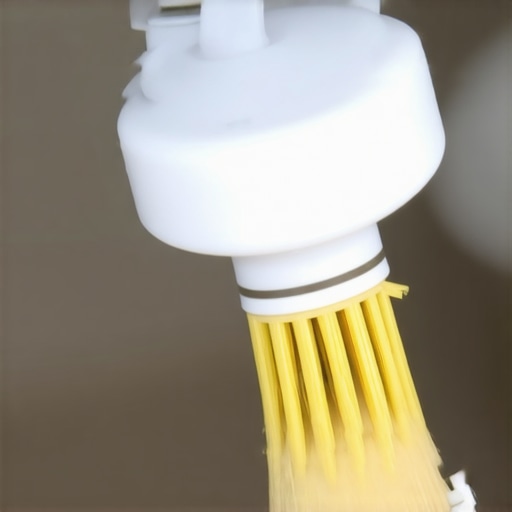
Clean the Filter to Keep the Water Fresh
Because eco-modes use significantly less water, that small amount of liquid is being filtered and recirculated multiple times throughout the wash. If your filter is even slightly clogged, you are essentially washing your plates in a dirty ‘soup.’ I neglected my own filter for nearly a year until the machine started smelling like a swamp. Now, I know that the best way to clean a filter that is coated in grease is a simple five-minute soak in warm, soapy water. While you are down there cleaning the tub, make sure you know how to clean the gunk out of your air gap device on your sink. If that air gap is blocked, the dirty water can’t exit properly, and you’ll end up with a nasty backflow that ruins your cleaning results regardless of how much water you use.
Why the Heavy Cycle is Sometimes the Better Choice
It sounds counterintuitive to use a ‘heavy’ cycle when you are trying to save water, but why the heavy cycle is actually better for your machine health comes down to heat and chemistry. High-efficiency cycles often run at lower temperatures to save energy, which can lead to fat and grease buildup in your internal plumbing. I’ve found that running a heavy-duty cycle once a week acts like a ‘reset’ for the machine, blasting away the residue that eco-mode leaves behind. This simple habit is the one maintenance task that doubles the life of your gasket and ensures your pump doesn’t have to work overtime. By understanding dishwasher parts a key to effective maintenance, you can balance water savings with long-term reliability.Most people assume that once the machine is installed and the ‘Limited Warranty’ sticker is in place, they are fully protected against any mechanical failure. In my experience, that’s a dangerous misconception. A warranty is not a blanket safety net; it is a very specific legal contract that can be voided by the smallest oversight. I’ve seen homeowners hit with massive repair bills because they didn’t realize why your warranty covers parts but not the 150 service trip fee. It is the fine print regarding ‘proper usage’ and ‘authorized installation’ that often leaves people stranded. According to a study by the Association of Home Appliance Manufacturers (AHAM), nearly 25% of service calls for new appliances are attributed to installation errors or lack of basic maintenance rather than part defects. This is why understanding dishwasher warranty policies for peace of mind is just as critical as knowing which detergent to buy.
The Tiny Installation Mistake That Ruins Your Cabinet
Here is a trap I almost fell into: using ‘universal’ hardware to save time. It is tempting to grab whatever is in your junk drawer, but you must stop using standard wood screws for metal-lined cabinets. I once saw a DIYer use a screw that was just a few millimeters too long; it didn’t pierce the tub, but the vibration of the machine caused it to rub a hole over six months. That tiny oversight is the mistake that voids your lifetime tub warranty instantly. Manufacturers call this ‘physical damage,’ not a manufacturing defect. If you are handling your own setup, make sure you are checking parts when installing a dishwasher for long-term performance, specifically the mounting brackets and supply lines. 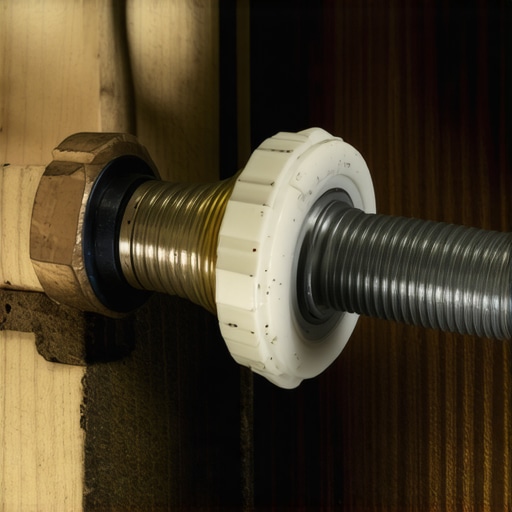
Does Hard Water Actually Kill My Protection?
This is a sophisticated question that many high-end owners forget to ask. The short answer is yes. Many modern warranties now include clauses about ‘water quality.’ If you live in a region with heavy mineral deposits and fail to use a softener or regular descaler, the manufacturer can argue that the pump failure was caused by scale buildup, not a defect. This is the impact of hard water on your warranty eligibility that can turn a simple repair into a full replacement. To protect yourself, you need to know the trick to removing hard water scale without chemical descalers. I always recommend maximizing your dishwashers warranty through proper parts selection like high-quality inlet valves that can handle a bit more stress. Remember, what your dishwasher warranty doesn’t cover is often more important than what it does. Have you ever fallen into the trap of having a claim rejected for a minor installation detail? Let me know in the comments.If you have ever looked at a standing pool of greywater in the bottom of your tub, your first instinct is probably to panic and call a professional. Before you spend that 150 dollar service fee, I want you to try something much more satisfying. I have found that why a shop vac is the best way to clear a clog isn’t just a theory; it is a kitchen-saving reality. By creating a tight seal over the drain with a wet-dry vac, you can often pull out the exact bone fragment or plastic shard that is jamming your impeller without having to take the entire pump assembly apart. It is the ultimate power move for a Saturday morning.
How do I maintain my dishwasher parts over time?
Maintenance isn’t about deep cleaning once a year; it is about high-frequency, low-effort habits. The most effective strategy I use is a monthly inspection of the door seal. I have seen that the one maintenance task that doubles the life of your gasket is simply wiping it down with a damp microfiber cloth to remove acidic food residue. When you ignore this, the rubber becomes brittle and cracks, leading to those phantom leaks that ruin your subfloor. You also need to keep an eye on the moving components. Understanding dishwasher parts a key to effective maintenance means knowing that when your top rack feels loose, it is usually just a loose screw or a worn-out roller that costs five dollars to replace. According to the National Kitchen & Bath Association (NKBA), the average lifespan of a modern dishwasher is now approximately 9 years, but with consistent part checks, you can easily push that to 12 or 15. #IMAGE_PLACE_HOLDER_D#
Why every DIYer needs a 20 dollar multimeter
If your machine suddenly goes dark and will not turn on, do not assume the control board is fried. I have saved myself hundreds of dollars by learning how to test your thermal fuse with a basic multimeter. It is a simple continuity test. If the fuse is blown, it is a five-dollar part; if you call a tech, they might try to sell you a whole new unit. Knowing the most reliable way to test a thermal fuse gives you the confidence to tackle electrical ghosts that usually scare people into buying a new appliance prematurely. You should also be aware of essential parts every dishwasher owner should know about, like the float switch and the inlet valve, which are the most common culprits for mid-cycle failures. When it comes to when to replace dishwasher parts for optimal performance, do not wait for a total breakdown. Scaling your maintenance means replacing worn-out springs or valves before they trigger a leak.
Prepare for the era of AI-driven dishwashing
Looking ahead, we are moving away from simple mechanical timers toward fully integrated ecosystems. I predict that within the next five years, your dishwasher will not just tell you it is finished; it will order its own replacement filters and detect micro-leaks using ultrasonic sensors before a single drop hits your floor. This transition is already starting, which is why your new machine requires a firmware update before the first wash. Your appliance is becoming a computer that happens to wash dishes. To stay ahead, make sure you know how to connect your dishwasher to a smart home hub so you can receive real-time alerts. If you haven’t checked your spray arms this month, go do it right now—that three-minute task is the difference between a clean load and a wasted cycle.
Why I Stopped Chasing the Lowest Water Usage Possible
After years of trial and error, I realized that saving two cents on water today isn’t worth a $400 repair bill tomorrow. My biggest ‘lightbulb moment’ was understanding that the machine needs a certain level of thermal and mechanical stress to keep the internal pipes clear. If you only ever run ‘Eco’ cycles, you are slowly coating your drainage system in a layer of grease that will eventually trigger a failure. Now, I prioritize balance over extremes, ensuring I get the most out of common dishwasher parts and how to replace them effectively when things do eventually wear out. Another hard lesson: always keep your purchase receipt and installation records in a dedicated folder. I’ve seen so many people fail to get your warranty claim approved on the first try simply because they couldn’t prove who installed the unit or when it was bought. It is the boring paperwork that saves the most money in the long run.
The Toolkit That Saves My Sanity
I don’t expect you to become a full-time plumber, but having a few specific items on hand will save you from constant service calls. First, find your model number—I have shared exactly how to find your unit’s hidden model number for replacement parts because without it, you are just guessing. Second, keep a basic multimeter in your kitchen drawer for those ‘it won’t start’ emergencies. Finally, keep a guide handy for essential parts for troubleshooting dishwasher installation issues. These tools transform you from a frustrated homeowner into a capable problem-solver who understands exactly what is happening under the counter.
Your Path to a Stress-Free Kitchen
Maintaining a dishwasher doesn’t have to be a second job. It is about small, intentional actions that protect your investment and keep your dishes sparkling. By maximizing your dishwasher’s warranty coverage today through proper care and documentation, you are buying yourself years of peace of mind. Don’t wait for a leak to start paying attention to your machine. Take five minutes this weekend to clear your spray arms and wipe down that gasket. You have got this! Have you ever found a weird object like a toothpick or a plastic toy stuck in your dishwasher’s drain? Let me know in the comments below! #IMAGE_PLACEHOLDER_E#
Related Posts

The Truth About Using Baking Soda for Odor Control
It was a typical Saturday afternoon and I was grappling…
The Secret to Using Vinegar Without Damaging Your Rubber Seals
Imagine this: You’re trying to give your dishwasher a good…
The Best Low-Phosphate Detergents for Modern Smart Machines
It was a frustrating Saturday when my brand-new smart dishwasher…