It all started with a weekend laundry mishap in my own kitchen. I heard that telltale hissing behind the wall, followed by the unmistakable sound of water flooding onto my hardwood floors. Turns out, that old, flimsy supply hose had finally given up after years of service. The worst part? I’d overlooked that tiny sign of wear, assuming it was just a routine connection. That lightbulb moment made me realize how crucial the right supply hoses are, especially since a burst pipe can turn your peaceful Sunday into a disaster zone overnight.
The Hidden Danger of Cheap Supply Hoses
If you’ve ever installed a dishwasher or replaced a water line, you might have simply gone with the cheapest option available. I did too — until I learned the hard way that not all hoses are created equal. Many folks don’t realize that traditional rubber hoses can deteriorate over time, especially in areas with hard water or fluctuating temperatures. When that inner lining weakens, a leak or burst is just a matter of time, often without any warning. Considering that some leaks can cause thousands of dollars worth of damage, it’s worth investing in quality from the start.
Are Stainless Steel Braided Hoses Actually Worth the Hype?
This question haunted me for a while. The idea of spending a bit more for a braided steel hose seemed like overkill at first. But early on, I made the mistake of reusing an old rubber hose after a repair — only to discover it had developed tiny cracks that looked harmless but were hiding a looming failure. That experience pushed me to research better options. According to a recent study, stainless steel hoses can last twice as long as rubber counterparts and resist corrosion, pressure fluctuations, and even fire hazards better. So, yes, they’re worth the extra bucks, especially if you want peace of mind that lasts.
In fact, many experts recommend replacing supply hoses when installing or servicing dishwashers and washing machines, and choosing the right type can make all the difference. Want to learn how you can upgrade for better durability and safety? I’ll walk you through everything you need to know to make an informed choice — because protecting your home is an investment worth making.
Choose the Right Hose for Your Setup
Start by selecting high-quality stainless steel braided hoses, which are known for durability and leak resistance. Measure your water supply fittings carefully to ensure compatibility, avoiding ill-fitting hoses that could cause leaks or damage. Consider using hoses with reinforced fittings, as these are less prone to cracking under pressure. Before beginning, shut off the main water supply to prevent accidental flooding during installation.
Prepare Your Workspace and Tools
Clear the area behind your dishwasher and gather necessary tools: adjustable wrench, Teflon tape, bucket, and cloths for cleanup. A clean workspace prevents accidental damage and makes it easier to handle small parts. Place towels or a bucket under connections to catch any residual water, especially if reconnecting to existing hoses or fittings.
Disconnect the Old Supply Line
Carefully loosen the fittings connecting the old hose to the water supply valve and the dishwasher inlet. Use an adjustable wrench to avoid damaging the fittings, and keep a cloth handy to catch any water that escapes. If reusing old fittings, inspect them thoroughly; if they are corroded or cracked, replace them with new ones to prevent future leaks.
Pro Tip: Applying Teflon Tape
Wrap Teflon tape clockwise around the threaded fittings to ensure a good seal. This step is similar to sealing pipe joints; it prevents water from seeping through minor imperfections. Tighten fittings securely but avoid over-tightening, which could damage the fittings or strip the threads.
Connect the Stainless Steel Hose
Attach the new braided hose to the water supply valve and the dishwasher inlet. Hand-tighten initially, then use the adjustable wrench for an extra quarter turn. Be cautious not to overtighten, as this can deform fittings or damage the hose. Ensure the hose is laid out without kinks or sharp bends, which can impede water flow and cause wear over time.
Secure the Hoses Properly
Use brackets or clips to secure the hoses along the wall or the back of the dishwasher. Proper routing prevents movement that could loosen connections or cause wear. When routing, avoid tight loops or sharp bends, which can increase pressure and risk damage. Check that the hoses are not rubbing against rough surfaces or hot areas that could accelerate deterioration.
Test for Leaks and Confirm Functionality
Turn the water supply back on gradually. Observe the connections closely for signs of dripping or leakage. If leaks appear, tighten fittings slightly and reapply Teflon tape as needed. Run a short cycle on your dishwasher to ensure water flows properly and connections hold under pressure. This active testing mimics real use, confirming your secure installation.
Maintain Your Hoses for Long-Term Performance
Regularly inspect your stainless steel hoses for signs of wear, corrosion, or damage. It’s advisable to replace hoses every 5-7 years as a preventative measure, much like changing oil in a car. Keep a maintenance log and consult guides like When to Replace Dishwasher Parts to track your appliance’s health. This proactive approach minimizes emergency repairs and enhances safety.
Leverage Warranty Options for Peace of Mind
For peace of mind, register your new hoses and keep receipts handy. Many manufacturers offer warranties covering certain damages or defects; check Warranty Coverage Details to know your protections. Proper installation and maintenance are key to qualifying for repairs under warranty, so follow manufacturer guidelines closely and document your work with photos or logs.
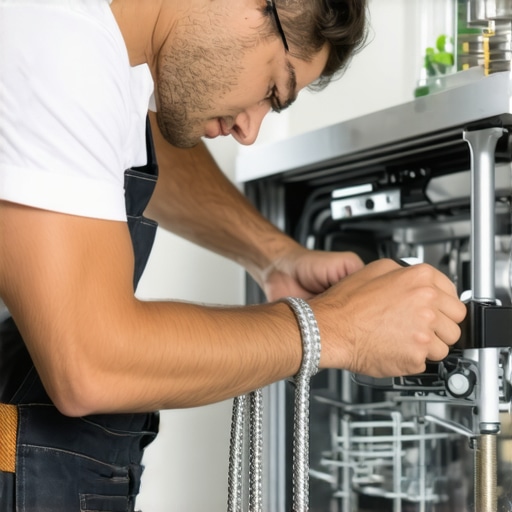
Many homeowners operate under misconceptions when it comes to dishwasher components, installation practices, and warranty policies. These misunderstandings can lead to costly mistakes and voided warranties, despite common beliefs that simply following the manual suffices. Let’s explore the nuances that often go unnoticed and how mastering them can significantly enhance appliance longevity and warranty benefits.
Why Most People Oversimplify Parts Selection and Installation
one prevalent myth is that all dishwasher parts are interchangeable, and any generic component will do. In reality, the specification differences—such as metal grade, pressure tolerances, and compatibility with smart sensors—are critical. For instance, replacing a high-pressure hose with a low-grade generic can compromise the seal integrity, leading to leaks and potential damage. Many overlook that certain parts, like inlet valves and drain pumps, are proprietary or require specific certifications to maintain warranty coverage. Experts recommend consulting manufacturer specifications and trusted suppliers to avoid inadvertently voiding your warranty (See here).
Another common misconception is that DIY installation is always cost-effective. While reducing labor costs appeals, improper installation—such as skipping grounding terms or neglecting high-loop drain requirements—can trigger system malfunctions and warranty denials. Professional installers follow precise procedures to satisfy code compliance and prevent issues that a homeowner might miss. Skipping these steps isn’t a minor shortcut—it risks invalidating your warranty and causing damage that costs more than professional service.
Beware the Hidden Trap of Warranty Limitations
Many assume that if a dishwasher fails within the warranty period, repairs are straightforward. However, warranties are often contingent on ‘proper maintenance’ and ‘correct installation’—terms that are surprisingly flexible in interpretation. For example, using non-approved water softeners or installing incompatible parts can void coverage. Additionally, some warranties exclude damages caused by neglecting regular maintenance, like cleaning filters or inspecting supply hoses—especially in hard water areas (details here).
Advanced consumers know that digital logs from your appliance, along with proper documentation — such as purchase receipts and installation records — bolster warranty claims. Manufacturers are increasingly leveraging smart diagnostics; neglecting software updates or ignoring error code alerts can be seen as improper use. Pro tip: Regularly review your appliance’s app and logs to remain compliant and ready for warranty service. For more, check this guide.
What Advanced Homeowners Should Know about Parts and Warranty Claims
One overlooked aspect is the significance of choosing certified parts aligned with manufacturer specifications, especially for smart dishwashers equipped with complex sensors and communication modules. Using incompatible parts not only risks damage but can also trigger false error states, complicating warranty claims. Manufacturers often require documentation of part origins and installation procedures, which means keeping thorough records is essential (see how to diagnose effectively).
Additionally, being aware of external factors—such as water hardness, electrical grounding, and proper ventilation—can influence warranty coverage. For example, failing to mitigate hard water effects by installing suitable filters can cause internal corrosion, potentially voiding warranty coverage for related parts. As such, proactive maintenance and environment optimization are paramount for preserving warranty rights.
In conclusion, understanding that not all parts are created equal, installation requires meticulous adherence to specifications, and warranties are nuanced agreements will empower you to make better decisions. By embracing these advanced insights, homeowners can avoid common pitfalls and maximize their appliance’s performance and warranty protections. Have you ever fallen into this trap? Let me know in the comments, and stay vigilant in your appliance care journey!
,
Invest in Quality Tools for Longevity
Maintaining your dishwasher over time requires more than just regular inspections; it hinges on having the right equipment. I personally rely on a calibrated digital torque wrench to ensure fittings are tightened to manufacturer specifications without risking damage. Unlike standard wrenches, a torque wrench provides precise control, preventing over-tightening that can crack fittings or damage hoses (see recommended tools here). For inspecting internal components, I use a borescope camera, which allows me to peek inside inaccessible areas without disassembly, saving time and preventing unnecessary strain on parts.
In terms of software, I recommend utilizing diagnostic apps specifically designed for your dishwasher model. Many modern appliances support remote diagnostics, which can help identify issues early, reducing costly repairs and extending the appliance’s lifespan. Regularly updating the firmware of these systems ensures that you benefit from bug fixes and new features that improve operational stability.
Standardize Your Maintenance Routine
Consistency is key. I schedule a comprehensive inspection every six months, during which I check for signs of wear, corrosion, or leakage. During these sessions, I pay close attention to sensitive parts like the inlet valve and spray arms, referencing expert troubleshooting guides to determine when parts might need replacement.
How to Keep Your Dishwasher Performing at Its Best
One long-term strategy involves predictive maintenance, which combines regular inspections with data-driven insights. For example, installing a moisture sensor near critical fittings can alert you to early leaks, preventing major water damage. Additionally, integrating a high-quality water softener can drastically reduce mineral buildup, safeguarding internal components and preserving warranty coverage (Learn about part replacement scheduling).
Predict Future Trends in Dishwasher Maintenance
Looking ahead, I foresee more appliances will support AI-driven diagnostics that monitor component health continuously. This will transform maintenance from reactive to proactive, minimizing downtime and repair costs. Embracing IoT-enabled sensors will be a game-changer, allowing homeowners to receive real-time alerts via smartphone, much like my current setup with smart home integrations. Manufacturers are already developing such systems, with some models promising predictive analytics to anticipate failures before they happen (see the future of system diagnostics).
Key Takeaway: Use Specialized Equipment for Better Results
To truly keep your dishwasher running smoothly, invest in specialized tools like a calibrated torque wrench and diagnostic apps. These devices give you precise control and early warning signals, making maintenance more effective and less guesswork. For example, adjusting fittings with the right torque prevents leaks and extends hose life, directly impacting your warranty validity (maximize warranty through proper tools). Don’t hesitate to implement these advanced tips—your dishwasher’s performance and your peace of mind depend on it. Start by checking your current fittings with a torque wrench today, and see how small adjustments make a big difference.
3 Mistakes I Made That Changed My Approach to Dishwasher Maintenance
- Thinking all hoses are the same led me to overlook quality, resulting in costly leaks. Investing in stainless steel braided hoses from the start could have saved me hundreds.
- Ignoring manufacturer specifications for parts and installation procedures almost voided my warranty. Now I know that proper documentation and adherence to guidelines are vital.
- Underestimating the importance of regular inspections and using the right tools meant small issues became major repairs. Using a torque wrench and digital logs has transformed my maintenance routine.
Tools and Resources That Transformed My Dishwasher Care
For anyone serious about protecting their dishwasher, I recommend these essentials: First, a calibrated torque wrench ensures fittings are tightened correctly without damage. Second, reliable troubleshooting guides help diagnose issues early, saving time and money. Third, keep documentation organized and update firmware regularly to stay ahead of warranty requirements. Lastly, consult trusted sources like this comprehensive warranty guide to understand your protections better.
Empower Your Dishwasher Future Today
Taking proactive steps in parts selection, installation, and maintenance can extend your appliance’s lifespan and safeguard your warranty. Remember, knowledge is power—every upgrade you make is an investment in peace of mind. Don’t wait for a leak to remind you of its importance; act now and become the homeowner who truly masters their dishwasher care.
What has been your biggest learning moment with appliance maintenance? Share your story below and let’s learn together!
.
Related Posts
Ditch the Plastic: Use These 3 Brass Couplers for 2026 Installs
It was a frustrating morning when I noticed my dishwasher…
Ditch the Plastic: Why Your Next Install Needs These 3 Zinc Brackets
Ever had that sinking feeling during a dishwasher installation when…
Skip the Kit: 4 Specific Parts for a Pro 2026 Dishwasher Install
Ever felt that sinking frustration when your brand-new dishwasher leaks…