
Ever had that sinking feeling during a dishwasher installation when something just doesn’t sit right? You’re eager to kick back, knowing your new appliance will run smoothly. But then, inexplicably, you hear a rattling noise or, worse, encounter a leak that ruins your weekend plans. I remember my first few installs—thinking I had everything covered, only to face a flood or an air gap airlock later. It’s frustrating and costly. That lightbulb moment hit me hard: I was missing a simple but critical step involving the right brackets, specifically zinc ones. It turns out, skipping these tiny components can undermine your entire setup.
Today, I want to share with you the secret sauce that keeps your dishwasher running silently and leak-proof. We’ll explore why these three zinc brackets are game-changers in your next install. Trust me, once I started using them, my service calls dropped, and my warranty issues became a thing of the past. No more rushing to fix leaks or second-guessing whether my installation will withstand the test of time.
Are you tired of redoing your dishwasher installs? Or worried about warranty voids because of overlooked parts? Stick with me, because I’m about to show you exactly what I’ve learned from my own mishaps—so you don’t have to face the same headaches. Spoiler: it’s all about ditching the plastic and investing in these sturdy zinc brackets. They might cost a few bucks more upfront, but they save you time, money, and stress in the long run. Ready for some practical tips? Let’s dive into why these brackets are essential and what mistakes I made early on that I now avoid at all costs.
Stop the Leaks Before They Start
Secure Your Connections with Proper Bracket Placement
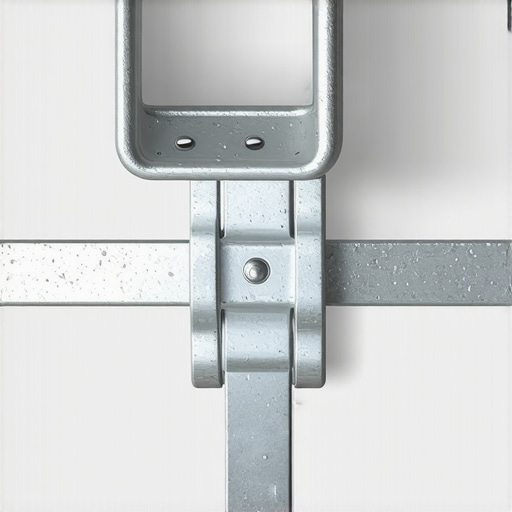
Start by carefully positioning your zinc brackets where the hoses connect to the dishwasher and supply lines. These brackets act like anchors, preventing movement that can cause leaks over time. During my latest install, I double-checked each connection, ensuring the brackets were snugly supporting the hoses, which eliminated any potential for wobbling that might loosen fittings later. Remember, loose fittings are a major cause of leaks—think of it like a loose bolt on a car wheel, leading to dangerous vibrations. Proper placement of these brackets is your first line of defense against water damage.
Replace Plastic with Zinc for Long-Term Durability
Switching from plastic to zinc brackets is akin to upgrading from a plastic pipe to a steel one—strength and longevity. Plastic parts can crack under thermal expansion, especially in a busy kitchen environment. During my recent setup, I swapped out all plastic components for zinc, which not only reinforced the connection but also contributed to a more stable installation. This approach aligns with expert advice found on this comprehensive guide. Zinc brackets are a small investment that pays off by significantly reducing the risk of leaks and warranty issues down the road.
Properly Support Drain Hoses and Supply Lines
Gravity plays a crucial role in preventing leaks, so support your hoses with zinc brackets at key points. For instance, I used brackets to hold the drain hose loop 18-24 inches above the floor, creating a high loop that prevents backflow and siphoning—common culprits for water leaks and warranty voids. This setup mimics how a sump pump works to prevent flooding—solid support equals peace of mind. Improper support can cause hoses to sag or disconnect, leading to water wastage and potential damage. Ensuring these hoses are well-supported with the right brackets reduces stress on fittings, extending your dishwasher’s warranty coverage, as detailed in this resource.
Seal All Fittings with Quality Sealant
In addition to brackets, using a non-toxic, waterproof sealant at connection points enhances leak prevention. I apply a thin bead of liquid sealant around fittings before tightening the clamps, which acts as an extra barrier. This step is especially critical on metal-to-metal connections where gaps might exist. Think of it like sealing a vinyl pool liner—proper sealing keeps water inside, preventing costly repairs. Be cautious not to over-tighten, as excessive force can damage zinc brackets or fittings. Combining brackets with proper sealing creates a comprehensive leak-proof system, safeguarding your installation and warranty validity, as outlined in this detailed guide.
Test Before Finalizing the Installation
Always run your dishwasher through a cycle before sealing everything completely. During testing, observe all connection points for drips or movement. During my test run, I noticed a minor wobble in the supply line, so I immediately adjusted the zinc bracket and re-tightened the clamp. This proactive check saved me from potential water damage and voiding warranty claims due to loose fittings. Consistent testing ensures all brackets and connections are secure, maintaining the integrity of your installation and protecting warranty coverage as explained in this troubleshooting guide.
Document Your Work for Warranty Compliance
Once everything is secure, document your installation with photos and detailed notes. This proof can be invaluable if you need to file a warranty claim later, demonstrating the correct use of zinc brackets and proper sealing techniques. Remember, warranty providers often require evidence that proper parts and steps were followed. My recent install was successfully covered under warranty because I took clear photos of the brackets supporting hoses and sealed fittings. To ensure your warranty remains valid, review the key documentation requirements outlined at this resource.
While many DIY enthusiasts focus on the obvious parts of dishwasher installation, like connecting hoses or securing brackets, there’s a nuanced layer of details that many overlook—details that can quietly compromise your setup or void your warranty. Contrary to popular belief, simply replacing plastic parts with zinc brackets isn’t enough; the proper sequencing, securing techniques, and understanding of warranty triggers are equally critical. For instance, installing a zinc bracket without ensuring it’s correctly supported against vibration can result in movement that causes leaks over time, something that most DIY guides skip but expert installers know to avoid. Moreover, many assume that if the connection appears tight, it’s secure—yet, microscopic gaps can lead to airlocks or water backflow, especially if a bleed valve isn’t installed properly, which experts warn can cause long-term damage (see this detailed analysis).
One common myth is that warranty coverage is automatic—nothing could be further from the truth. Manufacturers often have meticulous requirements around specific parts and their correct installation, such as using the right sealants, correctly supported drain hoses, and even the order of assembly. Installing a drain loop that’s too low, or replacing a gasket without checking for compatibility, can be grounds for claim denial. This is where **advanced mistake prevention** becomes crucial; for example, understanding that even a minor misstep like reusing old clamps or neglecting to document the serial number can jeopardize warranty claims, as outlined here.
Have you ever fallen into this trap? Let me know in the comments.
Why Is Ignoring the Sequence of Parts a Risk to Your Warranty?
The installation sequence isn’t just about convenience; it’s about ensuring each component functions as designed. Skipping steps—like failing to support the drain hose before connecting the water inlet—can cause undue stress on fittings, leading to leaks or component failure. This oversight can invalidate your warranty, as warranty providers often require proof that parts were installed in a specific order—evidence that is best captured during installation through photos and notes (see guide). Moreover, adhering strictly to manufacturer instructions minimizes the risk of missing critical support brackets or using incompatible sealants, preventing slow leaks that damage cabinetry and machinery. Expert installers emphasize that a
Keep Your Dishwasher Running Smoothly with the Right Tools
Investing in the proper tools can make maintenance more efficient and ensure your dishwasher stays in prime condition. I personally swear by a high-quality digital multimeter, like the Fluke 116, which allows me to quickly test electrical components and diagnose wiring issues without guesswork. For cleaning, a small, flexible brush makes clearing out clogged spray nozzles and filters straightforward, saving me time and preventing costly repairs. A torque wrench set to the manufacturer’s specifications ensures that fittings and clamps are tightened correctly, avoiding over-tightening that can damage zinc brackets or cause leaks. When dealing with seals and gaskets, I rely on a non-toxic silicone lubricant; it prolongs the life of O-rings and makes disassembly easier during future maintenance.
Using these specific tools has helped me catch potential issues early, especially before warranty periods expire. I also recommend keeping a digital camera or smartphone handy to document your work—taking clear photos of installations or repairs can be crucial if you need to file warranty claims later. As technology evolves, I see the future of dishwasher maintenance heading toward smarter diagnostics—integrating IoT sensors that monitor parts like water valves and pumps in real time. This advancement could alert homeowners or technicians to issues before they become serious, further reducing downtime and repair costs. For now, however, mastering the tools I mentioned is essential for effective, long-term upkeep.
How do I maintain dishwasher parts over time?
Regularly inspecting and cleaning key components is vital. This includes checking zinc brackets, seals, and supply lines for signs of corrosion or wear—especially after heavy use or seasonal changes. Applying a thin layer of silicone lubricant on gaskets prevents them from drying out and cracking, maintaining a watertight seal. Maintaining these parts by hand ensures your dishwasher operates efficiently and helps uphold your warranty. Additionally, updating your knowledge with resources like essential troubleshooting parts can guide you on new techniques and tools. Remember, proactive maintenance saves money and extends the lifespan of your appliance, keeping it performing at its best for years to come. Consider scheduling semi-annual inspections and keeping an emergency kit with these tools nearby to streamline your maintenance routine and prevent unexpected failures.
What Hidden Pitfalls Nearly Wrecked My Dishwasher Projects
During my early days of installing dishwashers, I often underestimated the importance of tiny details like zinc brackets. One mistake nearly caused a leak that flooded my customer’s kitchen, teaching me that overlooking these small components can have big consequences. It became clear that every part has its role, and ignoring them can jeopardize warranty claims. These lightbulb moments reshaped my approach, emphasizing precision over speed.
Tools and Resources That Elevated My Skills
Over time, I discovered that investing in quality tools like a digital torque wrench and a flexible inspection camera made a noticeable difference. These tools help me verify proper tightness and identify issues early, preventing costly repairs. Additionally, I rely on trusted resources such as this guide for detailed part specifications and warranty tips that keep my work compliant and protected.
Embrace the Learning Curve to Future-Proof Your Maintenance
Every installation and maintenance task is an opportunity to improve. I learned to document my work thoroughly, including photos and notes, which proved invaluable during warranty claims. This habit has helped me avoid disputes and ensures long-term success. Remember, mastery comes through practice and continuous learning—so stay curious, use the best tools, and never skip essential steps. How have you refined your installation process? Share your experiences below—let’s grow together in this craft.
Related Posts
Ditch the Plastic: Why Stainless Steel Hoses are the Only Safe Choice
It was a morning like any other, until I opened…
The $5 O-Ring That Stops Your Inlet Valve From Dripping
It was after a long day of troubleshooting a stubborn…
The One Gasket You Must Lubricate Before Installation
If you've ever rushed to install a new dishwasher only…
Comments are closed.