
I’ll never forget the sound of my first high-end dishwasher failing. It wasn’t a bang; it was a rhythmic thump-drip-thump that eventually turned my hardwood floor into a warped mess. I stood there, clutching my receipt, trying to remember if the guy at the big-box store had actually sold me peace of mind or just a very expensive piece of paper. I had a manufacturer’s sticker on the inside door, a Store Care pamphlet in the drawer, and a sinking feeling in my stomach. I made the classic mistake of thinking they were the same thing. I spent hours on hold, only to realize that my premium coverage didn’t even cover the specific [image_placeholder] dishwasher parts warranty I actually needed for the repair. It was a $300 lesson I don’t want you to repeat.
Stop Throwing Money at Your Salesperson Without Reading This First
When you’re at the register, and the salesperson asks if you want to protect your investment for just pennies a day, it feels like a no-brainer. But here is the reality: your appliance already comes with a promise from the people who built it. The confusion between a factory warranty and a store protection plan is exactly where most homeowners lose their shirts. One is a legal obligation from the brand to ensure their machine actually works; the other is essentially a service contract—often sold by a third party—that sits on top of that promise. I learned the hard way that your appliance insurance might not be a real warranty at all, and knowing which one to call when the water starts rising is the difference between a free fix and a massive headache. Before you sign anything, you need to understand what your dishwasher warranty doesn’t cover so you aren’t blindsided by hidden costs.
Today, we are going to strip back the marketing jargon. We’ll look at why you might be paying for overlapping coverage and how to ensure your warranty claim gets approved without the usual runaround. According to Consumer Reports, the median cost for a dishwasher repair is around $150, which is often exactly what the protection plan costs upfront. Is it worth it? Let’s find out.
Is that extra protection plan actually worth the hype?
This is the question I get asked most often over the back fence. My early mistake was assuming the factory warranty covered everything. I didn’t realize that your warranty might cover parts but not the $150 service trip fee. That trip fee is where they get you! A store plan often covers that labor and travel, whereas the manufacturer might just mail you a pump and wish you good luck. It’s about weighing the risk of a part failure against the cost of the person coming to install it. Have you ever felt like you were being scammed by a protection plan that didn’t cover the one thing that actually broke?
Keep Your Paperwork Where You Can Actually Find It
My biggest regret wasn’t the broken pump; it was the 45-minute scavenger hunt through my junk drawer for a faded thermal receipt while my kitchen smelled like a swamp. Manufacturers are ruthless about proof. If you can’t show exactly when and where you bought the machine, your coverage is effectively zero. I now take a photo of every receipt and tape it to the back of the kickplate or save it in a dedicated cloud folder. You absolutely must know why your warranty claim fails without an authorized receipt before the machine even starts its first cycle.
Check These Parts During Your First Week
Don’t wait for a flood to inspect your machine. Most “lemons” show symptoms early. Run a heavy cycle and watch for leaks around the door gasket and the water inlet valve. I remember helping a neighbor install their new Bosch, and we noticed a hairline crack in the plastic housing of the drain pump. Because we caught it during the diagnosis of dishwasher parts during warranty periods, the store swapped the entire unit instead of making her wait for a repairman. Check the parts to check when installing a dishwasher for long-term performance to avoid early failures.

Will Your Installation Void the Whole Deal?
This is where the fine print gets dangerous. If you choose a diy dishwasher installation, you are taking on a specific risk. Most manufacturers won’t cover damage caused by “improper installation.” I once saw a homeowner use standard wood screws to mount their dishwasher to a metal-lined cabinet. The screws eventually vibrated loose, the machine tipped, and the manufacturer denied the claim because he didn’t follow the manual. You should definitely stop using standard wood screws for metal-lined cabinets immediately. Also, be aware of the mistake that voids your lifetime tub warranty—usually related to using the wrong mounting brackets or harsh chemical cleaners.
The Secret to Getting That Claim Approved
When you call the hotline, don’t just say “it’s broken.” Use the specific terminology found in your manual. If you can identify that the 15-dollar sensor that stops overfilling is the culprit, you’re ahead of the game. I found that knowing how to get your warranty claim approved on the first try often involves documenting the error code and having your model number ready. You can usually find your unit’s hidden model number on the side of the inner door frame. Having this info ready makes you sound like a pro, and the customer service reps are much less likely to give you the runaround.
Everyone screams about the dangers of hard water—the white crust, the clogged nozzles, the spotted glasses. But here is the contrarian truth I learned after talking to a field engineer: your water softener might be the silent killer. It sounds backwards, but why soft water is ruining your dishwasher interior faster than hard water is a lesson in chemistry. When water is too soft, it becomes ‘hungry’ for minerals and can actually leach them right out of your stainless steel tub and high-end glassware, leading to permanent etching that no warranty will ever cover. We often over-correct our home’s water chemistry, thinking more salt is better, only to find our machine’s interior looks ten years old after just six months. This is exactly why understanding dishwasher parts a key to effective maintenance involves looking at the environment around the machine, not just the machine itself.
Why Reusing Old Fittings is a Recipe for Financial Disaster
If you are tackling a diy dishwasher installation, you might be tempted to save $15 by using your existing supply line or that old brass elbow. Don’t do it. There is a reason why your professional installer refuses to reuse your old brass fittings. Metal fatigue is real. Once a fitting has been compressed and under pressure for five years, it develops microscopic stress fractures. The moment you wrench it onto a new unit, you’re rolling the dice on a slow drip that you won’t notice until your subfloor is rotted. In my experience, these small ‘oops’ factors are what cause 90% of the horror stories I hear. A simple 20-dollar smart sensor that detects leaks can save your kitchen, but starting with fresh parts is the only way to protect your long-term investment. 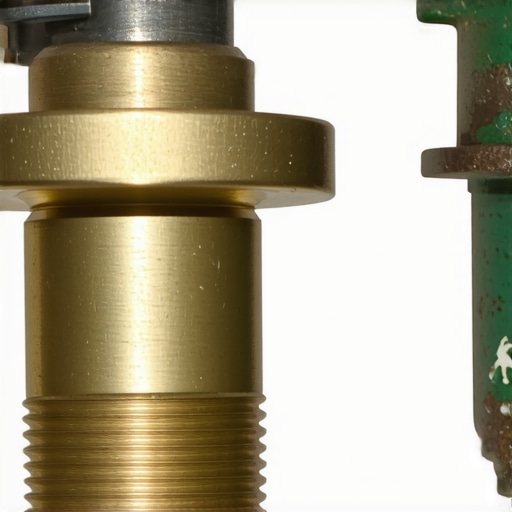
Does Your Warranty Still Count if the Power Goes Out?
This is the advanced question most homeowners forget to ask until the storm hits. According to the Association of Home Appliance Manufacturers (AHAM), external factors like electrical surges are a leading cause of control board failure, yet most people are shocked to learn why your manufacturer warranty excludes power surge damage. They view a lightning strike or a grid spike as an ‘Act of God,’ not a factory defect. If your $1,200 smart dishwasher doesn’t have its own dedicated surge protector, you are essentially self-insuring that expensive motherboard. I’ve seen entire warranty coverage claims denied because the technician found evidence of scorched traces on the PCB that weren’t caused by the machine itself. To avoid this, you must ensure you’re maximizing your dishwasher’s warranty through proper parts selection, including the right power protection.
The most sophisticated trap, however, is the ‘nuisance leak.’ Sometimes you’ll see an error code for a leak, but the floor is bone dry. This often happens when you need to how to find a hidden leak under the motor housing. A tiny drip into the emergency drip tray will trigger the float switch, shutting the whole thing down. It’s a safety feature that feels like a breakdown. Have you ever fallen into this trap where a ‘broken’ machine was actually just a sensor doing its job too well? Let me know in the comments. Digging into the complete list of dishwasher parts covered by warranty can help you decide if that service call is worth the money or if it’s a simple fix you can handle with a bit of patience and a screwdriver.
I’ve realized that the difference between a machine that lasts five years and one that lasts fifteen isn’t the brand name on the front—it’s the two or three tools you keep in your utility closet. I personally never start a repair without my trusty multimeter. Most people think their control board is dead when the screen goes dark, but often, it’s just a ten-dollar safety component. Learning how to test your thermal fuse with a basic multimeter has saved me more money on service calls than any extended warranty ever could. Similarly, when the tub refuses to drain, forget the chemicals. I have found that why a shop vac is the best way to clear a clog is a secret professional plumbers use to avoid disassembling the entire pump housing and potentially damaging a seal.
How do I maintain my dishwasher performance over time?
The secret isn’t a fancy chemical cleaner; it is consistency in the small things. I make it a point to inspect the seals every three months. It sounds tedious, but the one maintenance task that doubles the life of your gasket is simply wiping it down with a damp cloth to remove abrasive grit and detergent residue. If you let that gunk build up, it creates micro-tears that eventually lead to those floor-warping leaks I mentioned earlier. Also, if you are moving into a new home or swapping units, the critical reason to flush your water lines before hooking up a new machine is to clear out construction debris or pipe scale that can instantly destroy a delicate water inlet valve. 
I also highly recommend getting familiar with your filter system. A grease-clogged mesh is the primary reason for cloudy dishes and lingering odors. Knowing the best way to clean a filter that is coated in grease—usually a long soak in warm soapy water rather than a vigorous scrub—prevents you from accidentally puncturing the fine screen. According to the industry experts at Appliance Service News, nearly thirty percent of all service calls regarding poor cleaning performance are solved simply by cleaning the filter and the spray arms, not by replacing expensive parts.
Looking toward the future, the industry is moving rapidly toward preventative diagnostics and remote monitoring. We are already seeing why your smart dishwasher keeps asking for a software update; these machines are beginning to monitor their own vibration levels and pump pressure to predict motor failure before it actually happens. In the next few years, I expect manufacturers to tie warranty coverage directly to these diagnostic logs—if you do not run the self-clean cycle when the app tells you to, your coverage might be at risk. It sounds a bit high-tech for a kitchen appliance, but it is the new reality of precision engineering. My challenge for you this week is to pull out your bottom rack, remove the main filter, and give it a thorough soak. You might be shocked at the debris that has been circulating with your plates.
What My Repairman Whispered After the Warranty Expired
The most important thing I realized is that coverage is a conversation, not just a document. Sometimes, understanding dishwasher warranty policies for peace of mind means knowing that the ‘no’ you get on the phone is just a starting point. If they tell you a part isn’t available, you need to know how to negotiate a replacement when your warranty parts are backordered. I’ve seen persistent homeowners get entire units replaced just because they knew which specific clauses to quote. It’s about being an advocate for your own kitchen hardware.
#IMAGE_PLACEHOLDER_E#
The Tiny Toolkit That Actually Saves Your Floor
You don’t need a professional-grade workshop to keep your machine running. I keep a few essential parts every dishwasher owner should know about, like spare gaskets and a water pressure gauge, in a small bin under the sink. Also, don’t automatically dismiss the store’s add-on plan. In some cases, why your extended warranty might be better than the manufacturer’s comes down to the simple fact that the store has local technicians who can get to you in 24 hours, whereas the factory might take weeks.
Your Kitchen Deserves Better Than a Faded Receipt
Ultimately, the goal isn’t just to win a claim; it’s to never have to file one. By staying proactive with your maintenance and keeping your paperwork organized, you turn a potential disaster into a minor weekend project. Managing your dishwasher parts warranty effectively is the best way to ensure your investment stays protected for years to come. Have you ever had a warranty claim denied for a reason that felt totally unfair? Let me know in the comments—I’d love to hear your story.
Related Posts

Dealing with Insurance After a Major Dishwasher Flood
Squish. That was the sound. 3:00 AM. Cold water between…

Why Your Warranty Claim Hinges on Using the Right Salt
Ever had that sinking feeling when your brand-new dishwasher suddenly…

The Secret to Filing a Successful Manufacturer Warranty Claim
It was late one evening when my dishwasher suddenly stopped…