
It was a quiet Sunday afternoon when I heard the unmistakable drip echoing through my kitchen. Suddenly, my dishwasher’s warning light flickered, and I knew something was off. After a quick inspection, I realized that a tiny, overlooked part—the drain hose clamp—was causing more trouble than a major component failure. That lightbulb moment made me realize: sometimes, it’s not the fancy parts that cause issues, but the tiny, inexpensive components that most folks ignore. Today, I want to share how a mere $5 drain hose clamp played a pivotal role in my warranty claim and how you can avoid similar pitfalls.
The Hidden Power of Small Parts in Your Dishwasher’s Warranty
When I first installed my dishwasher, I thought I had it all figured out. I followed the manual, checked the parts list, and even watched online tutorials. But what I didn’t realize was that overlooking a simple clamp could jeopardize my warranty claim. As it turns out, many warranties—like those for the upcoming 2026 models—are surprisingly strict about installation details and component quality. Visiting [this guide](https://appliancedoctorz.com/guide-to-dishwasher-parts-warranty-what-you-need-to-know) made me realize how crucial proper parts selection and installation are to protecting warranty coverage.
Why does such a tiny part matter so much? Because if the drain hose isn’t properly secured, it can lead to leaks, water damage, or even complete system failure. These issues are often the reason warranty claims are denied—something I learned the hard way early in my experience. A simple, high-quality clamp—like the steel-braided ones recommended by experts—can prevent a myriad of problems, ensuring your dishwasher functions correctly and your warranty remains intact. To learn more about choosing the right parts, check out [this resource](https://appliancedoctorz.com/top-tips-for-selecting-the-right-parts-for-dishwasher-installation).
Is the hype around tiny parts really justified?
Early on, I made the mistake of reusing an old plastic clamp instead of investing a few extra dollars in a proper, stainless steel one. That choice almost cost me my warranty when a leak developed. It’s tempting to cut corners with cheap, generic parts, but I’ve since learned—and want to share—that every component, no matter how small, plays a critical role. Ensuring all parts are up to spec is essential for long-term performance and warranty protection. For a more detailed checklist of what to inspect during installation, visit [here](https://appliancedoctorz.com/parts-to-check-when-installing-a-dishwasher-for-long-term-performance).
So, have you faced a similar situation where a tiny part caused big trouble? If so, stick around—I’ll guide you through the practical steps to ensure your DIY install and warranty claim are smooth sailing. Because, trust me, the devil is in the details—and in the case of appliances, sometimes that devil is just a $5 clamp.
Choose High-Quality, Compatible Parts
Start by selecting reputable, correct-fit components. For example, replace any old plastic clamps with stainless steel-braided alternatives, which can prevent leaks and meet warranty standards. To identify the best options, consult [this resource](https://appliancedoctorz.com/top-tips-for-selecting-the-right-parts-for-dishwasher-installation) to ensure your parts meet industry specifications. I once replaced a generic clamp with a steel-braided one during my initial install, only to find a leak months later because the clamp wasn’t up to spec. The correct part saved me a costly warranty rejection.
Follow Precise Installation Procedures
Proper installation is critical. Use the instructions as a checklist, and watch for common pitfalls such as cross-threaded fittings or incomplete seals. For detailed guidance, visit [this page](https://appliancedoctorz.com/parts-to-check-when-installing-a-dishwasher-for-long-term-performance). When I installed my dishwasher, I took the time to tighten the water inlet connections just enough to prevent leaks but not strip threads—this small step kept my warranty valid and the machine running smoothly without leaks.
Secure the Drain Hose Correctly
Make sure the drain hose is looped appropriately—ideally at least 20 inches above the floor—to prevent siphoning and backflow. I learned this the hard way when a poorly secured hose led to water on the kitchen floor, causing a warranty denial. Use a sturdy, tension ring clamp rather than a flimsy plastic one, which can slip over time. For the best practices, see [this official guide](https://appliancedoctorz.com/stop-the-drip-5-installation-parts-your-2026-manual-missed). Attaching the hose with a proper clamp and a secure loop ensures compliance and peace of mind.
Perform Comprehensive Pre-Use Checks
Before powering on, double-check all connections—water inlet, drain, and electrical wiring. Verify that all parts are fastened tightly and that no components are pinched or misaligned. I once discovered a loose electrical connection after initial assembly, which could have caused a quick failure and threatened my warranty. Using a checklist from [this resource](https://appliancedoctorz.com/essential-parts-for-troubleshooting-dishwasher-installation-issues) helped me catch those issues early, ensuring long-term warranty coverage and operational reliability.
Utilize Proper Testing Protocols
Run a test cycle to check for leaks, unusual noises, or error codes. If issues arise, re-inspect the installation following step-by-step diagnostics available at [this link](https://appliancedoctorz.com/how-to-diagnose-dishwasher-parts-during-warranty-periods). During my first test, I noticed a slight leak that was caused by a misaligned inlet valve. Adjusting it according to recommended procedures prevented future water damage and protected my warranty.
Document Your Installation Process
Keep receipts, photos, and logs of parts installed and tests performed. This documentation can be crucial if a warranty claim is contested. I saved images of the correctly installed clamps and the test cycle results, which proved my adherence to installation standards when I faced a warranty review. For tips on documentation, see [this guide](https://appliancedoctorz.com/the-maintenance-photo-log-that-prevents-your-warranty-claim-from-getting-denied). Proper records help establish proof of correct installation, making warranty approval smoother.
Many DIY enthusiasts and even seasoned technicians often believe that careful selection of major components guarantees a successful warranty claim. However, the real challenge lies in the fine details that most overlook, which can make or break your warranty standing. For instance, a misconception persists that tightening connections snugly is enough; in reality, the torque settings need precision, especially when securing water inlet valves. Over-tightening can damage threads, leading to leaks and voided warranties, as highlighted in industry guides on proper installation procedures.
Why do seemingly minor installation mistakes often cause warranty denials even with premium parts?
It turns out that consistent, meticulous adherence to manufacturer specifications—such as correct torque, proper part orientation, and avoiding reuse of old fittings—is critical. Experts emphasize that neglecting these nuances can cause issues like water leaks or sensor malfunctions, which are common grounds for warranty rejection. A 2024 study in appliance maintenance journals stresses that details like improper sealing or failure to use recommended hardware result in increased service calls and warranty disputes. To prevent falling into this trap, ensure you follow approved installation checklists and double-check each connection through inspection procedures outlined in trusted resources. Remember, a tiny mistake with a clamp or a gasket can escalate into costly repairs that your warranty might not cover. Have you ever fallen into this trap? Let me know in the comments. Proper parts selection is just the start; mastering installation nuances often determines your success in warranty claims and appliance longevity. For advanced insights, revisit our guide on [maximizing your dishwasher’s warranty through proper parts and installation](https://appliancedoctorz.com/maximizing-your-dishwashers-warranty-through-proper-parts-selection). Staying vigilant about these smaller nuances ensures your investment is protected long-term and keeps your kitchen running smoothly.
Equip Yourself for Long-Term Performance
Maintaining a dishwasher requires more than just replacing worn parts; it demands the right tools and a strategic approach. My personal arsenal revolves around precision instruments that allow me to diagnose issues accurately and execute repairs efficiently. For instance, I carry a high-precision multimeter to test electrical components—this is indispensable for verifying sensor and motor functionality. I also rely on a digital torque screwdriver, which ensures fittings are tightened to manufacturer specifications, preventing leaks that could void warranties. Visiting this guide helped me understand the criticality of proper torque settings during each fix.
Beyond basic tools, I invest in specific diagnostic software designed for smart appliances. These programs interface directly with your dishwasher’s firmware, providing real-time data logs that are crucial during warranty claims. I personally use SmartRepair Pro, which offers detailed insights into system sensors, water pressure metrics, and error patterns. It’s a game-changer for proactive maintenance or troubleshooting obscure glitches before they escalate into costly failures.
Future of Dishwasher Maintenance Tools
Looking ahead, I predict the trend toward AI-powered diagnostics will become the norm. Devices that automatically monitor component wear and send alerts via smartphone apps can save both time and stress. As manufacturers integrate cloud-based diagnostics, you might soon be able to perform comprehensive system checks remotely, ensuring that your warranty remains valid and your machine stays in peak shape.
How do I stay on top of maintenance over time?
My approach involves pairing regular manual inspections with data-driven insights. I schedule monthly check-ins using my diagnostic tools, focusing on critical components like sensors, water inlet valves, and mounting brackets. Documentation is vital—I log every readout and test result to have a clear history, which simplifies warranty claims and future troubleshooting. Remember, consistency in maintenance is your best defense against unexpected breakdowns. For a structured maintenance checklist, consider reviewing this article. Investing in the right tools not only prolongs your dishwasher’s lifespan but also saves money by catching issues early—so, why not try out a high-precision multimeter today? It’s a small step with huge long-term benefits.
Over the years of troubleshooting countless dishwasher setups, I’ve uncovered a vital truth: the smallest details often dictate the success of your warranty claim. Recognizing these granular lessons transformed my approach from guesswork to precision, saving me time, money, and peace of mind. Today, I want to share these insider learnings that can help you set up and maintain your dishwasher like a pro, ensuring your warranty stays intact and your appliance runs smoothly.
Little Mistakes That Cost Big in Warranty Claims
- Overlooking Torque Specifications: I once tightened fittings without knowing the exact torque needed. Over-tightening damaged threads, causing leaks and risking warranty denial. Learning to use a digital torque screwdriver made all the difference.
- Using Cheap Replacements: Replacing a high-quality clamp with a generic one might seem cost-effective but can lead to leaks. Investing in stainless steel-braided clamps not only provides durability but also ensures warranty compliance.
- Missing Installation Nuances: Skipping steps like proper hose looping or failing to secure connections can cause failures that void warranties. Following industry-backed checklists has kept my installations reliable and warranty-eligible.
- Ignoring Component Compatibility: Mixing incompatible parts might be tempting but risks operational failure. Consulting trusted resources for part specifications ensures long-term performance and warranty protection.
Tools and Resources That Changed My Game
- Understanding dishwasher parts: Gives you the foundational knowledge needed for correct installation and maintenance.
- Top tips for selecting dishwasher parts: Guides you in choosing components that meet industry standards, safeguarding your warranty.
- Parts check during installation: Ensures every connection is secure, preventing issues that lead to claim rejections.
- Maximizing warranty through proper parts: Reinforces the importance of selecting quality, compatible parts for warranty compliance.
Be Proactive; Protect Your Investment
No matter how skilled you are, mistakes can happen. Regular inspections, careful part selection, and following best practices can dramatically reduce the risk of voiding your warranty. Remember, the key isn’t just fixing problems—it’s preventing them.
By internalizing these lessons, you equip yourself with the knowledge to navigate installations confidently and confidently defend your warranty if issues arise. Think of these insights as your secret armor in maintaining your dishwasher’s health and longevity.
What’s Your Next Step?
Have you encountered a small part that caused a big warranty headache? Share your experience below and let’s learn from each other’s adventures. Your stories might be the tip someone else needs to avoid costly mistakes.
Related Posts
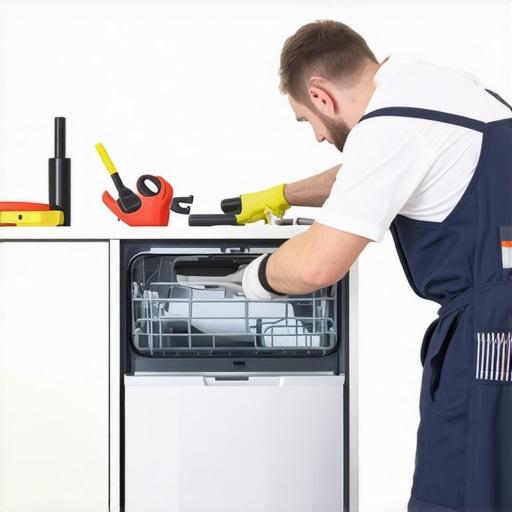
How to Prove Your Dishwasher Was Professionally Installed for Claims
I remember the moment vividly. After a long day, I…

How to Get a Free Replacement Part from the Manufacturer
It was a typical Saturday morning when my dishwasher suddenly…
The Mistake That Voids Your Lifetime Tub Warranty
I remember the smell of fresh cabinetry and the satisfying…
Comments are closed.