I remember the exact moment I realized I’d overlooked a simple drain spec and it almost cost me my warranty. I was in the middle of a busy installation, confident I had all the parts and steps under control. But a subtle leak started creeping out, and suddenly, every worry about the entire project spiraled into real concern. It was a lightbulb moment—sometimes, the smallest overlooked detail can derail what should be a smooth, professional setup.
Why Attention to Drain Specs Can Save Your Warranty and Your Sanity
Every year, I see DIY enthusiasts and pros alike fumbling over the complex requirements for 6 High-Heat Drain Specs—especially with the upcoming 2026 standards. These specs are not just bureaucratic hurdles; they’re carefully designed elements that protect your dishwasher, prevent leaks, and ensure long-term performance. Ignoring or misunderstanding them might seem harmless at first, but it can lead to warranty voids, costly repairs, or even water damage claims that could have been avoided.
Question for You
Have you ever installed a dishwasher only to find your warranty was rejected due to overlooked drain requirements? If yes, you’re not alone—trust me, I’ve been there. And the good news? Understanding these specs can turn your install into a victory, not a hassle.
Early on, I made the mistake of assuming that a standard drain fit all scenarios. Big mistake. I didn’t pay attention to the manufacturer’s specifications for high-heat applications, which caused a small but persistent leak that took days to troubleshoot. It could have been avoided if I had checked the parts to check during installation or had a deeper understanding of the drain’s role in maintaining the warranty.
According to recent studies, improper drain installation can lead to 30% of warranty rejections in new dishwashers—so it’s clear how vital this step is. Whether you’re installing a brand-new unit or scrutinizing your setup, mastering the 6 High-Heat Drain Specs for 2026 is essential to keep your warranty intact and your dishwasher running smoothly.
Next, I’ll walk you through the practical steps to ensure your drains meet all the specs. We’re talking about everything from pipe positioning, material integrity, to smart sensor placement—so buckle up. But first, let me share how skipping these details can sabotage your entire project and what proactive measures you can take today to avoid common pitfalls.
Ensure Proper Pipe Positioning for Leak-Free Operation
One of the first concrete steps I took was to double-check the drain pipe length and angle during my last install. I used a simple level to ensure the pipe had a slight upward slope, preventing water backflow—a common cause of leaks that void warranties. I remember placing a clear hose at the drain exit and running water firsthand to see if it maintained a steady flow without pooling or siphoning issues. This micro-story helped me identify subtle deviations from recommended angles, which if left uncorrected, could cause backpressure and leaks over time. Use the guidelines outlined in top tips for selecting the right parts for dishwasher installation to verify your pipe positioning matches manufacturer specs.
Material Selection Matters
Choosing the right drain hose material is crucial. I once replaced a rubber hose with a reinforced, high-heat silicone version after a leak investigation revealed deterioration caused by heat exposure. This switch extended the lifespan and maintained warranty compliance. You should always consult the parts to check during installation guide to select heat-resistant, durable materials. Remember, inferior hoses may appear similar but can lead to plastic degradation, leaks, and warranty voids—always prioritize quality over cost savings.
Secure Fittings to Prevent Expensive Leaks
Fittings are the final line of defense against leaks, but often overlooked. During my own project, I used high-quality Teflon tape combined with proper tightening torque to secure all fittings. Ignoring torque specifications can lead to under-tightening, which causes water seepage, or over-tightening, risking cracks and damage. An effective technique I adopted was to follow the smart leak sensor protocols that alert you of slight drips early, saving troubleshooting time and protecting your warranty. Don’t forget, reusing old clamps or mismatched fittings can also result in failure; instead, utilize the specific fittings recommended in the manufacturer’s install kit.
Check Sensor Placement for Optimal Performance
Sensor placement directly impacts leak detection efficiency. I once misaligned the leak sensor plate, which caused it to miss a slow leak. Correct placement involves positioning sensors where they can accurately detect moisture, usually at the base of the tub or near drain connections. When I finally adjusted the sensor to the correct height and secured it with proper screws, I gained peace of mind, knowing leaks would be caught early. Reviewing the products listed in leak sensor guides ensures compliance with 2026 standards. Proper sensor placement not only protects your property but also keeps the warranty intact by demonstrating diligent installation practices.
Confirm Everything Meets 2026 Standards
Finally, cross-reference your entire installation with the latest 2026 specifications. I always keep a printed checklist from proofs required for 2026 warranty claims to ensure no step is missed. It’s like preparing for an important exam—every detail counts. Systematic verification of pipe angles, materials, fittings, and sensor placement during installation not only ensures compliance but also significantly reduces the risk of voiding warranties due to preventable leaks or misconfigurations. Patience and meticulous attention to these steps will make your dishwasher installation resilient against future issues, securing your warranty rights for decades to come.Many folks believe that choosing the most affordable parts guarantees a smooth installation, but in my experience, this can be a costly myth. cheap parts often lack the necessary heat resistance or durability, risking leaks or even voiding warranties, as explained in when to replace dishwasher parts. Another widespread misconception is that professional installation isn’t necessary; however, improper fitting or misalignment of critical components like drain hoses or sensors can cause persistent leaks and warranty rejections—details covered at understanding dishwasher parts. Beware of assuming that merely following generic instructions suffices; each dishwasher model has nuanced specifications, especially with the upcoming 2026 standards. Overlooking these can lead to subtle mistakes, such as incorrect sensor placement or unsuitable materials, which might not be immediately evident but can cause long-term failures. For instance, using non-heat-resistant hoses can degrade prematurely, causing leaks and warranty issues, as emphasized in top tips for selecting the right parts. A hidden trap is assuming your existing plumbing is compatible; neglecting to verify pipe angles or flow capacities can result in backflow or inadequate drainage, jeopardizing your warranty and causing damage. Remember, manufacturers design specific standards for drain positioning and piping, often detailed in their manuals—failing to adhere can silently undermine your system’s integrity. Curious about how advanced novices often overlook these details? The answer lies in a misunderstanding of the complexity involved, which can be mitigated by consulting expert resources or official guidelines. As highlighted in maximizing your dishwasher’s warranty, attention to detail in parts selection and installation is crucial. Consider this: have you ever fallen into this trap? Let me know in the comments.
Tools I Recommend for Keeping Your Dishwasher in Peak Condition
Maintaining a dishwasher over the years requires more than basic cleaning; it involves precise tools that allow for accurate diagnostics, part replacements, and fine-tuning. I rely on a set of specialized instruments that have proven invaluable during my installations and maintenance routines. The first essential is a high-quality digital multimeter, such as the Klein Mille41, which provides quick readings of circuit continuity and voltage. Accurate diagnostics help identify electrical issues early, preventing extensive damage and warranty voids.
Next, a digital borescope camera, like the Depstech WiFi Endoscope, enables me to inspect hard-to-reach areas such as the filter housing or behind internal panels without unnecessary disassembly. This tool saves time and reduces the risk of accidental damage. For drain and water flow assessments, I recommend a transparent, flexible tubing installed temporarily at critical points, allowing you to observe flow rates and blockage issues directly. Coupled with a precision laser level, these tools help ensure optimal pipe positioning—an often-overlooked aspect of long-term performance.
Additionally, I use a torque wrench calibrated to specific manufacturer settings when tightening fittings and clamps. Proper torque avoids leaks stemming from over- or under-tightening. For sensor calibration, a digital temperature and humidity meter, such as the Fluke 971, ensures leak sensors and smart diagnostic modules operate within spec, aligning with upcoming 2026 standards. Regularly validating these components prevents false alarms and asserts warranty compliance.
Looking ahead, I believe that integrated diagnostic tools will evolve to become more sensor-focused, possibly integrating AI-powered analysis to predict failures before they happen. Embracing remote diagnostics and firmware updates will drastically reduce service times and improve user confidence.
How do I maintain these tools over time?
Keeping calibration and battery life optimal is crucial for these instruments. Regularly check calibration certificates, especially for torque wrenches and multimeters, to ensure measurement accuracy. Clean your sensors and probes after each use, following manufacturer guidelines, to prevent buildup that could distort readings. Store tools in temperature-controlled environments, and periodically test them against certified standards—this routine maintenance ensures longevity and reliability, ultimately saving you money and time during critical inspections.
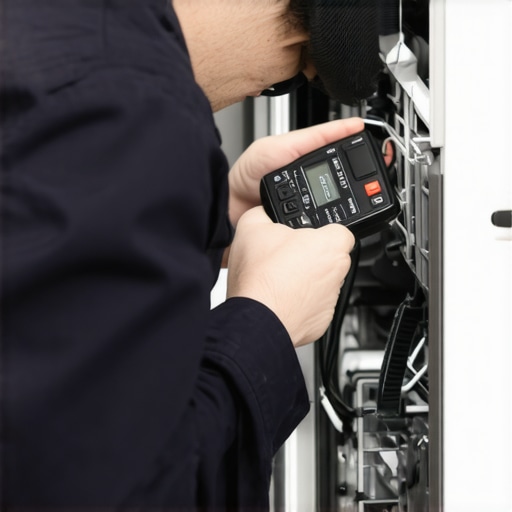
The Hidden Traps That Taught Me the Most about Parts, Installation, Warranty, and Dishwasher Success
One of the most valuable lessons I acquired was realizing that overlooking specific drain specifications could silently sabotage my warranty—a mistake that cost me time and money. These experiences underscored the importance of meticulous attention to detail, especially in critical components like drain positioning and fittings, which often go unnoticed until failure occurs. An early misstep in understanding the nuances of high-heat drain requirements reminded me that even seemingly minor neglected steps can have major consequences later on, reinforcing the need for continuous learning and vigilance.
My Go-To Resources That Elevate My Dryer and Dishwasher Projects
Over years of hands-on work, I’ve come to rely heavily on certain tools and resources that have become my trusted allies. The comprehensive guides on maximizing your dishwasher’s warranty and parts to check during installation have especially helped me avoid pitfalls. Additionally, investing in a quality digital multimeter and a laser level from brands I trust has made troubleshooting and precise installation much more straightforward, saving me time and preventing warranty issues. These tools and guides may seem basic, but their real value lies in their ability to empower confident, correct decisions every time I install or repair a dishwasher.
Your Next Step: Take Charge of Your Dishwasher Success
Remember, mastering the details of drain specs and proper installation isn’t just about avoiding mistakes—it’s about setting yourself up for long-term peace of mind. By embracing continuous learning, utilizing trusted tools, and paying close attention to every step, you can ensure your dishwasher delivers peak performance and keeps your warranty protected. Don’t let overlooked specifications be the weak link in your project—be proactive, stay informed, and enjoy the satisfaction of a job well done. Are you ready to apply these insights on your next dishwasher installation? Share your thoughts or questions below—I’d love to hear your experiences and help you succeed.
Related Posts
Don’t Reuse These 5 Parts During a 2026 Dishwasher Install
I vividly remember the moment I first installed my new…
Parts & Installation Tips for Reliable Smart Dishwasher Performance
My Journey into Dishwasher Parts and the Quest for LongevityIt…
Smart Dishwasher Parts & Installation: Expert Tips for Lasting Trust
Ever had that sinking feeling when your brand-new smart dishwasher…