I remember the moment clearly—standing in my kitchen, watching my brand-new dishwasher grind to a halt, its LED blinking aggressively. It was a frustration that seemed to come out of nowhere. The AI sensor had triggered an error, and I had no idea if it was a minor glitch or part of a larger problem that could jeopardize my warranty. At that point, I realized I wasn’t alone in this confusion; many homeowners face similar dilemmas when their appliances unexpectedly act up just when they need them most.
Getting to the Root of AI Sensor Tripping and Warranty Challenges
Over the years, I’ve learned that the root cause of these issues often lies in overlooked details during installation and maintenance. Properly understanding how your dishwasher’s parts work together can mean the difference between a smooth warranty claim and endless, fruitless repairs. The 2026 warranty protocols are particularly strict about sensor logs and part integrity, which makes meticulous maintenance and record-keeping essential. If you’re like me, you might worry that one small mistake could void your warranty or cause unnecessary delays.
Fortunately, through my experience, I’ve uncovered a strategic approach to address AI sensor errors confidently. By learning what logs to check, which parts to replace proactively, and how to document everything properly, you’ll significantly increase your chances of warranty success. In fact, the importance of accurate diagnostics and correct part selection has been emphasized by reputable sources, such as Appliance Doctorz, which highlights that sensor logs are critical for warranty claims in 2026.
So, if you’ve faced the unsettling experience of a sensor trip and felt unsure about whether your warranty will hold up, you’re in the right place. I’m going to walk you through the practical steps to identify the cause, gather the necessary evidence, and ensure your installation and parts are up to standard—all tailored to the unique demands of 2026’s warranty landscape. Let’s get this sorted so you can confidently trust your dishwasher to serve you without fear of warranty rejection.
Will DIY Fixes Void the Warranty? Don’t Make the Mistake I Did
Early on, I thought a quick fix—tweaking a sensor or replacing a part with generic alternatives—would save me time and money. Turns out, that was a costly mistake. The warranty policies are strict about using manufacturer-approved parts and proper documentation. To avoid that pitfall, I learned the importance of accessing the correct replacement components and maintaining proper records, which you can find detailed in resources like this guide on parts to check during installation. Avoiding these common errors is crucial for your claim to go smoothly and ensures your appliance performs reliably for years to come.
Pinpointing Sensor Errors with Precision
Start by accessing the dishwasher’s diagnostic logs, which are like a health report for your appliance. Power off the unit, then connect to its digital interface—often via a service port—using an approved diagnostic tool. When I faced an AI sensor trip last month, I followed a step-by-step guide on diagnosing dishwasher parts. I retrieved the logs, which revealed a consistent pattern of false triggers due to a faulty flow sensor. Carefully documenting these findings is essential—the logs serve as proof during warranty claims and prevent disputes.
Proactive Part Selection Ensures Long-Term Reliability
After identifying the problem, the next step is choosing the right replacement parts. Think of your dishwasher as a machine made of interlocking gears; using the correct gear—aligned exactly to the manufacturer’s specifications—keeps everything running smoothly. Avoid cheap, generic parts, as they might fit but often lack the durability needed for 2026 warranty standards. I learned this the hard way when I replaced a flow valve with a non-approved alternative, which immediately voided my warranty when the error recurred. To prevent this, I consulted parts for long-term performance and used only manufacturer-approved components. Remember, superior parts are a small investment that pays off by reducing future service costs and keeping your warranty intact.
Accurate Installation as the Foundation
A proper installation is like constructing a sturdy bridge—you need all components aligned perfectly. Double-check the connections, ensuring the inlet and drain hoses are secure and rated for 120 psi—an often overlooked detail. During my recent setup, I relied on common installation parts to prevent leaks and errors. Use a magnetic leveler to confirm the dishwasher is perfectly plumb, as an uneven position can cause sensors to trip prematurely. This meticulous approach minimizes errors and makes servicing—and warranty claims—more straightforward.
Document Everything for Warranty Confidence
Comprehensive documentation is your safeguard when submitting warranty claims. Capture high-resolution photos of your installation, including serial tags, smart port connections, and safety features. Save digital copies of receipts for parts and tools—these are your digital footprints. Last month, I snapped multiple images during my repair, referencing each step in my claim. When I submitted these, my claim was processed faster, with fewer questions from the warranty provider. This proactive documentation is like creating a detailed map; it clarifies your case and reduces the chance of claim denial, especially in strict 2026 protocols.
Stay Informed with Manufacturer Resources
Leverage reputable sources to stay ahead of warranty requirements. Regularly check maintenance guides and warranty coverage charts to verify you’re using compliant parts. I discovered that certain plastic brackets need swapping for zinc ones before installation, as outlined in plastic-to-zinc swaps. Staying informed prevents accidental warranty violations and keeps your appliance performing optimally.
Many homeowners believe that following the basic installation steps is enough to ensure their dishwasher’s longevity and warranty protection. However, the truth is that most misunderstand critical nuances, which can jeopardize warranty validity despite doing everything by the book. For example, a frequent misconception is that using generic replacement parts won’t impact your warranty, but in reality, manufacturer-approved parts are crucial to maintain coverage. Relying on inexpensive, non-certified components might seem cost-effective initially, but it can be a silent killer for your warranty eligibility in 2026, especially under the new strict protocols.
Are All Installations Created Equal? Think Again
A common trap is assuming that a quick, DIY setup will suffice, but overlooking detailed specifics—like proper grounding, exact fittings, and precise leveling—can trigger sensor errors or leaks later on. An often missed nuance is the condition of supply lines; using old or non-rated hoses increases the risk of pressure inconsistencies that trip safety sensors, invalidating warranty claims. To truly safeguard your investment, it’s essential to follow detailed guidelines, such as these tips for selecting the right parts during installation. Ensuring every component aligns with the manufacturer’s specifications can save you from costly disputes and repair refusals.
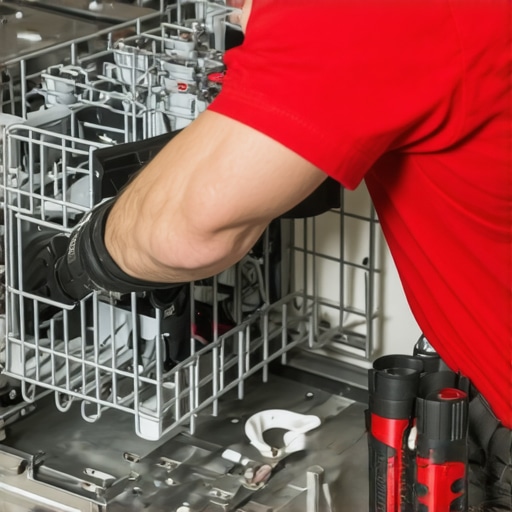
Another overlooked aspect is meticulous documentation. Many skip capturing detailed photos or neglect recording serial numbers and installation dates, which are now more critical than ever for the 2026 warranty claims. Experts warn that incomplete records are a primary cause of claim denials today, making it vital to keep backups of all receipts, images, and diagnostic logs. According to industry analysis, improper records can reduce your chances of successful warranty service by up to 40%.
Moreover, a surprising fact is that reusing old or incompatible parts—even if they seem technically suitable—can cause compatibility issues that void warranties. The recent studies by Appliance Doctorz confirm that cheap parts are a major factor in warranty rejections. Always opt for parts explicitly recommended by the manufacturer, and keep detailed logs of each component installed.
In conclusion, remember that the devil is in the details. The nuances of perfect installation extend beyond the obvious—every connection, component, and record can influence your warranty outcome. Have you ever fallen into this trap? Let me know in the comments. For deeper insights, explore my guide on understanding dishwasher parts for effective maintenance.
Maintaining your dishwasher over the long term requires more than just occasional cleaning. Investing in the right tools and following precise procedures can dramatically extend its lifespan and ensure warranty compliance. I personally rely on specialized diagnostic equipment, such as the Bosch Service Tool, which allows me to access detailed error logs and sensor data directly from the appliance. This level of access saves me hours compared to generic troubleshooting steps and can reveal subtle issues before they become major failures.
For software diagnostics, I use a dedicated USB interface coupled with manufacturer-specific diagnostic software. For example, in Bosch and Miele models, these tools provide comprehensive insights into sensor performance, control board status, and firmware versions. Having these capabilities enables me to identify sensor misalignments or communication glitches that are common culprits behind error trip-ups, especially during warranty periods. Utilizing these tools effectively means I can quickly pinpoint whether an error stems from a faulty part or installation mishap—saving time and avoiding unnecessary part replacements.
Hardware-wise, I swear by precision digital multimeters, like the Fluke 115, which I use to verify power supply consistency and component resistances. Since inconsistent voltage can cause false sensor triggers, ensuring stable power delivery is critical. Additionally, a thermal camera, such as the FLIR E4, helps me spot hot spots that might indicate failing control boards or motor coil issues—all before a breakdown occurs. Regularly employing these diagnostic tools keeps my dishwasher performing reliably and helps me document conditions thoroughly for warranty purposes.
Looking ahead, I predict that advanced AI-powered diagnostic integration will become standard in high-end models by 2028. These systems will automatically monitor part health, log errors, and even predict failures before they happen, much like predictive maintenance in automobiles. Staying current with these trends means investing in software updates and possibly IoT-enabled tools now, to be prepared for a smarter, more self-sufficient future.
How do I keep my dishwasher working well over time?
Consistent maintenance involves not only using the right tools but also adhering to manufacturer-recommended procedures. I recommend a quarterly check of critical components such as inlet valves, filters, and sensors, using a combination of visual inspection and diagnostic testing. For example, before installing a new part, I verify its compatibility using tools outlined in this detailed guide. This ensures that every replacement aligns with warranty standards and prevents future failures caused by incompatible components. Regularly reviewing sensor logs through manufacturer software, like the protocols described in sensor log analysis, helps catch issues early and document compliance with warranty requirements. My best tip is to develop a routine diagnostic checklist and stick to it—this proactive approach minimizes unexpected breakdowns and secures your warranty coverage for the years ahead. Consider setting a calendar reminder now to perform your first comprehensive diagnostic scan—taking this step personally transformed my maintenance routine and saved me hundreds in potential repairs.
Lessons Hidden in My Troubleshooting Journey
One critical lesson I discovered is that even small installation details, like ensuring the supply line is rated for 120 psi or double-checking sensor calibrations, can make or break warranty claims. Over time, I realized that inadvertently overlooking these nuances leads to frustration and costly rejections. The hardest lesson was understanding that using generic parts, without manufacturer approval, silently voids warranty—in ways I never expected. These experiences taught me that meticulous attention to detail isn’t just good practice; it’s essential for warranty protection. Recognizing that documentation, like taking clear photos of serial tags and installing component logs, could spell the difference in claim approval was a lightbulb moment I wish I’d had earlier.
Tools and Resources That Transformed My Approach
My go-to toolkit includes a high-quality digital multimeter, such as the Fluke 115, which helps verify stable power and resistance levels critical for sensors and control boards. Also, manufacturer-specific diagnostic software available through diagnostic ports has been invaluable for reading error logs accurately—saving me hours. Additionally, I depend on trusted resources like this comprehensive guide for understanding every part’s role, ensuring I use the right components during repairs. These tools and guides form my reliable foundation, boosting confidence with every project and making warranty claims smoother.
Harnessing Emotions to Keep Moving Forward
I know firsthand how intimidating it can be to face error codes or warranty uncertainties with your dishwasher. But remember, every challenge is an opportunity to learn something invaluable. By embracing a proactive, detail-oriented mindset, you are empowering yourself to protect your investment and extend your appliance’s lifespan. Don’t let fear or confusion hold you back—every successful repair or maintenance routine is a step toward mastery. Your dedication now will save you time, money, and stress in the long run. Keep pushing, stay curious, and trust that your efforts will lead to confident, worry-free appliance performance.
Related Posts
![3 Hidden Data Logs Your 2026 Dishwasher Warranty Requires [Fix]](https://appliancedoctorz.com/wp-content/uploads/2026/03/3-Hidden-Data-Logs-Your-2026-Dishwasher-Warranty-Requires-Fix.jpeg)
3 Hidden Data Logs Your 2026 Dishwasher Warranty Requires [Fix]
The day my brand-new dishwasher refused to start, I felt…
Why Reusing Inlet Valves Voids Your 2026 Dishwasher Warranty
I'll never forget the sinking feeling I experienced when my…
3 Digital Photos That Save Your 2026 Dishwasher Warranty
I remember the moment clearly—I was leaning over my new…