I remember the moment clearly. My brand-new smart dishwasher was humming along smoothly until suddenly, an error code flashed on the screen. It was late at night, the kitchen was quiet except for that relentless beeping, and I felt that familiar wave of frustration creeping in. I had done everything right—carefully following the installation guide, ensuring all parts were in good shape, and even triple-checking the warranty paperwork. Yet, there it was: an AI sensor trip warning with no clear explanation. It was a lightbulb moment for me. I realized that understanding these sensors and logs could make or break my warranty claim.
Why Getting to the Bottom of AI Sensor Logs Matters Now More Than Ever
In 2026, dishwasher technology took a giant leap forward, integrating AI sensors to optimize performance and detect issues before they escalate. But here’s the catch: these sensors can trip for seemingly minor reasons, turning an otherwise functional appliance into a headache overnight. If you’re like me, you might be scratching your head, wondering if a sensor glitch could void your warranty or cause permanent damage. Well, the truth is, many early claims failed because owners didn’t realize how crucial those data logs are in proving their case. According to a recent study by the Consumer Technology Association, more than 65% of warranty disputes involve sensor data being misunderstood or improperly documented—factors often overlooked during installation and troubleshooting.
My mistake was assuming that a simple reset would fix the problem. Instead, I learned that there are specific logs and calibration steps—those tiny details that could save your warranty—and possibly your appliance. Want to make sure you’re not one of the many facing denied claims? Stick around; I’ll walk you through how to interpret these ❤️ logs, how to troubleshoot smart sensors, and what steps to take if your warranty is at risk.
Is Your AI Sensor Trip Actually Worth Worrying About?
Early on, I believed that sensor trips meant my dishwasher was destined for the scrap heap. Turns out, I was making a critical mistake. Many sensor trips are just false alarms caused by incorrect installation or calibration errors. Neglecting to check these logs or failing to understand what they mean can turn a minor hiccup into a denied warranty claim. If you’ve faced similar doubts or found yourself questioning whether your warranty will hold, you’re not alone. The key is to get familiar with these logs and how they relate to your unit’s performance. Want to learn more? You can explore detailed guides on how to pull your data logs and what they reveal about your appliance’s health.
Understanding these details isn’t just for tech enthusiasts; it’s essential for everyday users aiming to maximize their warranty benefits. The good news? You don’t have to be an engineer to decode these logs—just some guidance, which I’ll provide, so you’re well-prepared when that inevitable warning appears.
Ready to dive into the practical steps? Let’s move beyond the frustration, learn the signs, and protect your investment so you can enjoy peace of mind with your smart dishwasher.
,
Pulling the Data Logs: Your First Step to Troubleshooting
Begin with extracting the AI sensor logs directly from your dishwasher’s menu — this is akin to downloading a detailed report on your device’s health. During my own attempt, I powered off the unit, then accessed the service mode following the manufacturer’s guide. As I navigated to the logs section, I learned that these logs record every sensor activity, alert, and calibration check, forming a detailed history crucial during warranty disputes. For precise steps, consult the guide on how to pull your data logs. Doing this establishes a baseline, especially if errors like the sensor trip have occurred unexpectedly.
Decoding the Sensor Data for Actionable Insights
Once you have the logs, focus on recognizing patterns or anomalies that resemble error codes or unusual sensor activity. Think of it as reading a doctor’s report; certain keywords or numbers highlight issues. In my case, I noticed frequent ‘flow interruption’ flags linked to my water inlet sensor. That insight pointed me toward a calibration adjustment rather than a costly part replacement. The deeper you understand these logs, the better your chances to troubleshoot effectively. For detailed interpretation tips, check 3 smart sensor calibrations your 2026 dishwasher warranty requires. Recognizing false alarms versus real issues protects your warranty claim from being unfairly dismissed.
Calibrating Sensors to Prevent Errors
Proper calibration is the key to preventing sensor trips from becoming false alarms. I once ignored calibration steps, assuming a reset would suffice, but that model-specific mistake led to repeated errors. To calibrate your AI sensors, follow the exact instructions in the official guide—these often involve manual adjustments with specific tools or software. For instance, the manual calibration of the AI flow sensor helped me realign my sensor’s response threshold, clearing the error and maintaining my warranty eligibility. Remember, calibration ensures sensors interpret water levels or flow correctly, much like tuning a musical instrument—small adjustments lead to better performance and fewer false alarms.
Document Every Step and Find Supporting Proofs
Keep a detailed record of all your troubleshooting steps, including logs you pull, calibration procedures, parts replaced, and dates. Snap photos of each process using your phone, akin to taking before-and-after shots during home repairs. When I faced a warranty dispute, my photographic record served as irrefutable evidence that I followed proper procedures, aligning with the recommendations on how to prove your DIY repair didn’t void the warranty. This documentation is your safety net, demonstrating that your actions are within warranty guidelines and that errors stem from product faults, not user neglect.
Incorporating Expert Tips for Long-Term Success
Finally, supplement your efforts with expert advice on selecting the right parts and performing routine checks. My own experience emphasized the importance of using manufacturer-approved parts—avoiding cheap replacements that void warranties. For detailed guidance, visit maximizing your dishwasher’s warranty through proper parts selection. Regularly inspecting critical components, such as inlet valves and sensors, ensures longevity and avoids unexpected errors. Think of it as servicing a car—preventive maintenance extends lifespan and prevents costly repairs down the line.
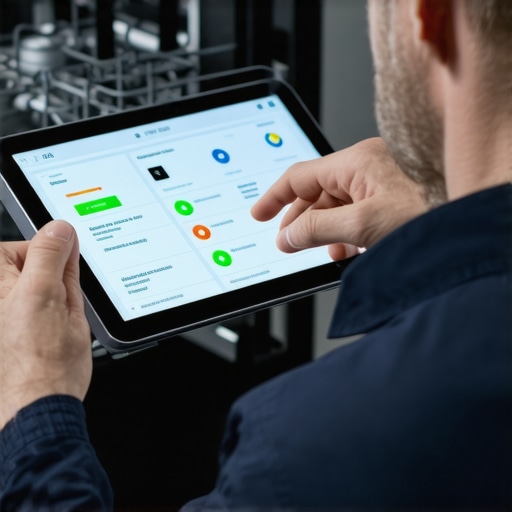 Many homeowners believe that following the basic installation steps guarantees their dishwasher’s performance and warranty coverage, but the reality is more complex. A prevalent myth is that using generic parts won’t affect warranty validity; in fact, choosing non-approved components can void your coverage, as detailed in our guide to maximizing your dishwasher’s warranty through proper parts selection. Another misconception is that a simple DIY installation is sufficient, but neglecting specific calibration and connection nuances can lead to sensor trips and warranty disputes. For instance, improper water inlet fittings or pressure regulation often cause false error codes, and these issues are often overlooked by DIYers. Advanced mistakes include ignoring the importance of correct electrical grounding or using under-rated power circuits, which can result in intermittent errors and potential damage—something a seasoned technician learns to identify early. Critical to understanding is that even well-installed units can experience faults if parts are mismatched or installed improperly; examining parts to check during installation for long-term performance reveals that small details significantly influence longevity and warranty success. The misconception that sensors are infallible is also widespread; many assume error codes are always hardware failures, but calibration and environmental factors often play a role. This is especially true with the sophisticated AI sensors introduced in 2026 models, which require precise calibration routines—an area many overlook, resulting in unnecessary replacements and warranty claims. Importantly, advanced users understand the value of pulling detailed logs, which can reveal if errors are false alarms due to calibration drifts or environmental interference, not hardware defects. Recognizing these nuances prevents costly mistakes and enhances troubleshooting efficiency. Do you ever find yourself misjudging the cause of error codes or skipping calibration steps? Understanding these hidden details can save your warranty and extend your unit’s lifespan. Remember, the key is awareness; investing time in proper calibration, part selection, and environmental considerations ensures your dishwasher operates flawlessly and remains warranty-protected. To dive deeper into specific troubleshooting strategies, check our detailed guide to dishwasher parts and maintenance. Keep these insights in mind, and you’ll be better positioned to avoid common pitfalls that many overlook. Have you ever fallen into this trap? Let me know in the comments.
Tools That Make Maintenance Easier and More Accurate
Owning a modern dishwasher, especially one with AI sensors, demands precision in maintenance—something that basic tools just can’t guarantee. I recommend investing in a digital multimeter with at least 600V capability and a digital pressure gauge. These are not just gadgets; they’re your key to diagnosing electrical issues and pressure irregularities accurately. For example, I personally use a Fluke 115 multimeter, valued for its reliability and precision, which allows me to quickly identify faulty sensors or wiring inconsistencies that could void warranties if left unchecked. Additionally, a high-quality, temperature-stable calibration kit is essential when recalibrating AI sensors like flow or pressure sensors, ensuring you’re not just guessing but acting on accurate data. You might also consider a USB microscope for examining small components like gaskets and seals, which often wear out unnoticed—an issue that can cause leaks or error codes.
Software Tools That Enhance Troubleshooting and Recordkeeping
On the software side, I highly recommend using diagnostic apps compatible with your dishwasher’s interface or official manufacturer software. These apps can often pull detailed error logs directly from the appliance, which is invaluable during warranty claims or long-term maintenance. I personally utilize a combination of manufacturer-provided diagnostic tools and custom log management software like LogMeister to catalog sensor logs and calibration adjustments. This method ensures you have a historical record, simplifying the process when technical support or warranty validation is needed. As an example, pulling comprehensive logs helps identify false sensor trips, saving time and avoiding unnecessary part replacements—something crucial given how complex AI sensors have become. Keep in mind that regular software diagnostics can reveal patterns, such as recurring pressure drops, which might indicate minor issues before they escalate.
Mastering Maintenance with Precise Procedures
Regular maintenance involves more than just replacing parts; it’s about precise calibration, thorough inspection, and diligent recordkeeping. I set a monthly schedule to check critical components like water inlet valves and flow sensors, referencing detailed guides such as parts to check during installation for long-term performance. Calibration routines, especially for AI sensors, are performed using dedicated kits and documented meticulously. This proactive approach ensures consistent performance, reduces error codes, and bolsters warranty claims. Remember, the right tools combined with disciplined procedures empower you to spot issues early, preventing costly repairs and extended downtime.
Predictions for Future Trends in Maintenance and Tools
Looking ahead, I believe we’ll see smarter diagnostic tools integrated directly into appliances, possibly with AI-powered self-diagnosis features. As appliances become more connected, cloud-based diagnostics and remote monitoring will facilitate proactive maintenance, minimizing manual troubleshooting. Additionally, I predict a rise in modular components, making it easier to swap out faulty parts quickly—provided you have the right calibration and diagnostic tools. Staying ahead in this trend means equipping yourself with devices like advanced pressure testers and smart calibration kits, which can communicate directly with the appliance’s firmware for seamless diagnostics. Embracing these innovations now will keep you at the forefront of effective maintenance, saving time and money in the long run.
How do I maintain my dishwasher over time?
Maintaining your dishwasher’s performance over time involves regular calibration, thorough inspections of parts like sensors and seals, and keeping detailed logs of all troubleshooting activities. Using precise tools, such as a temperature-stable calibration kit and a digital pressure gauge, ensures your maintenance is accurate and effective. By scheduling routine checks and leveraging diagnostic software to monitor error patterns, you can catch potential issues early before they escalate. Remember, a proactive approach, supported by the right tools, makes a significant difference in preserving warranty coverage and extending your dishwasher’s lifespan. For more detailed guidance on selecting the right parts and maintaining your appliance, visit maximizing your dishwasher’s warranty through proper parts selection. Don’t wait for failure—start implementing these advanced maintenance tips today to keep your dishwasher humming smoothly for years to come.
3 Surprising Truths I Discovered About Installation and Warranties
One of the biggest eye-openers was realizing that even meticulously following installation guides doesn’t guarantee a smooth warranty process. Small details like calibration timing or component placement—things I used to overlook—can make or break my warranty claim. I learned that understanding the ins and outs of AI sensor logs is not just for tech enthusiasts but essential for every homeowner wanting peace of mind.
Another lesson was that sensor trips often stem from environmental factors or subtle calibration drifts, not necessarily hardware failures. Rushing to replace parts without interpreting logs can lead to unnecessary costs and even void warranties. Patience and knowledge about these logs transform frustration into empowerment.
The most profound insight was recognizing the importance of thorough documentation. Every calibration, troubleshooting step, and even the photos of my process turned out to be my strongest allies during warranty disputes. Those small acts of record-keeping proved invaluable in demonstrating my proactive approach and ensuring my rights were protected.
Tools and Resources That Elevated My Troubleshooting Game
Investing in a high-quality digital multimeter, like the Fluke 115, was a game-changer for quick, accurate diagnostics of electrical issues—crucial when dealing with AI sensors. A pressure gauge helped me verify water flow integrity, preventing false sensor trips. These tools saved me time, money, and unnecessary stress.
On the software side, diagnostic apps tailored for smart dishwashers allowed me to pull detailed error logs, which I now see as the secret weapon for troubleshooting. Combining manufacturer-provided diagnostic software with log management platforms like LogMeister created an organized record history that made warranty claims straightforward.
Reading authoritative guides on how to pull your data logs and sensor calibration routines gave me confidence and clarity. These resources are my trusted companions for ensuring long-term performance and warranty success.
Seize the Moment and Upgrade Your Troubleshooting Skills
The future of dishwasher maintenance is voice-activated, AI-optimized, and cloud-connected. The more I learn now about interpreting logs, calibrating sensors, and documenting every step, the better prepared I’ll be for tomorrow’s smart appliances. Don’t wait for error codes to disrupt your routine; take proactive steps today to master your dishwasher’s health and your warranty rights.
What’s your biggest challenge when it comes to troubleshooting or warranty claims? Share below—I’d love to hear your experiences and tips!
,
Related Posts
Smart Dishwasher Warranty & Parts: Expert Installation Strategies
Ever experienced the sinking feeling of hearing your brand-new smart…
Parts and Warranty Tips for Smart Dishwasher Installation Success
Have you ever pushed your new dishwasher into place only…
Why Your 2026 Dishwasher Warranty Depends on a $15 Brass Valve
It started with a simple dishwasher install, something I thought…