
Ever stood in your kitchen, hearing that relentless grinding or squealing from your dishwasher and thought, “Is this thing about to give out on me?” I had that exact moment last month. The dishwasher, my reliable helper, suddenly started making noises like a haunted house prop. After some quick digging, I realized it was a familiar culprit—an often-overlooked part that costs about a dime to fix: the drain pump.
Discovering the Simple Solution to a Noisy Drain
Here’s the thing: that squeal or grind isn’t just an annoyance; it signals that your drain pump might be struggling, and ignoring it could lead to bigger problems or even total failure. But fear not! From my firsthand experience, I found an easy, budget-friendly fix that restored peace and quiet to my kitchen. Today, I promise to walk you through how a tiny, inexpensive trick can save you hundreds and extend your dishwasher’s lifespan. Whether you’re a DIY newbie or have some tools stashed away, this guide will demystify a common dishwasher woe.
Is It Really Worth It to Tackle This Noise?
At first, I was skeptical—believed I’d need a costly replacement or professional repair. But I made a mistake early on: assuming every noise meant a broken part and hopping straight to costly fixes. Instead, I learned that many issues, like this noisy drain pump, can be addressed with simple tweaks that cost less than a dollar. The truth is, this small investment can prevent a lot of headaches later. Plus, it’s a satisfying way to keep your appliance running smoothly—no need to call in the pros for every squeal or hum.
According to appliance repair experts, a significant number of dishwasher issues stem from minor, easily approachable problems—like clogged filters or loose connections—that you can handle yourself. So, if your dishwasher has started to sound like a jet taking off, don’t panic. Understanding your warranty and how simple fixes can often be covered or easily DIYed might just save you money and frustration.
Now that I’ve set the stage, let’s get into the specifics of what causes these noises and, more importantly, how a penny’s worth of parts and a tiny bit of effort can silence that relentless drone once and for all. Ready to turn that ear-splitting sound into a whisper? Then keep reading—because your silent dishwasher awaits!
Identify the Drain Pump and Visualize Its Role
First, locate the drain pump inside your dishwasher. Think of it as the heart of the drainage system, responsible for pushing water out after a cycle. To access it, disconnect power and remove the lower panel, similar to opening a car’s hood to inspect the engine. During my own repair, I kept a flashlight handy, gently unscrewed the panel, and marveled at the complex maze of hoses and wiring behind. Remember, safety comes first—always unplug the machine before poking around.
Inspect the Pump for Obvious Clogs and Damage
Look for debris, hardened soap scum, or hair tangled around the pump’s blades. Use a pair of needle-nose pliers or your fingers to clear any obstructions. During my initial attempt, I discovered a small piece of plastic lodged in the blades, causing the noisy grinding. This is common and easy to fix—simply removing such debris can silence the noise instantly. Be cautious not to damage the blades while removing debris; delicate plastic parts are prone to breakage.
Test the Pump’s Motor and Connections
Once clear, manually spin the pump’s impeller to see if it turns freely. If it’s stiff or wobbly, you might need to replace the pump or its motor. During my test, I observed resistance, which indicated a failing motor bearing. Also, check wiring harnesses and connectors for looseness or corrosion. Think of it like checking the battery terminals—clean, secure, and corrosion-free connections ensure smooth operation and prevent electrical issues.
Check the Pump Seal and Hoses for Leaks
Examine the seal around the pump’s housing; a worn or cracked seal can cause leaks, leading to strange noises. During my work, I noticed a slight gasket deterioration, which I replaced using a generic seal from the hardware store. Also, trace the drain hose connecting the pump to your home’s plumbing; ensure it’s secure and free of kinks or obstructions. Proper hose placement not only prevents leaks but also ensures proper drainage, much like a well-laid garden hose.
Replace the Pump if Necessary and Reassemble
If testing shows the pump’s motor is failing or the impeller can’t spin freely, it’s time for replacement. Use the manufacturer’s [recommended parts](https://appliancedoctorz.com/common-dishwasher-parts-and-how-to-replace-them-effectively) for compatibility. During my repair, I carefully removed the old pump by disconnecting hoses and electrical connectors, then installed the new one, ensuring all fittings were tight and secure. Reassemble the panel, reconnect power, and run a test cycle. This straightforward process can often be completed in under an hour and saves the cost of a professional repair.
Stay Sure of Your Warranty Coverage
Before making any repairs, review your dishwasher’s warranty by visiting [this guide](https://appliancedoctorz.com/understanding-dishwasher-warranty-policies-for-peace-of-mind). Document the repair process with photos, especially if you plan to claim warranty coverage. Missteps or unauthorized repairs might void warranties, so knowing your coverage details, such as [warranty coverage for parts](https://appliancedoctorz.com/parts-to-check-when-installing-a-dishwasher-for-long-term-performance), safeguards your investment and ensures peace of mind. Remember, a well-maintained dishwasher with proper parts can last years longer, often beyond the initial warranty period.Many homeowners operate under assumptions about dishwasher maintenance and warranty coverage that could lead to costly mistakes. For instance, a widespread myth is that all replacement parts are interchangeable across dishwasher models, which isn’t true. In reality, each brand and even specific models have unique components, and using incompatible parts can void your warranty and damage your appliance. To ensure longevity and warranty compliance, it’s crucial to select parts recommended by the manufacturer, as detailed in [common dishwasher parts and their role in proper installation](https://appliancedoctorz.com/common-dishwasher-parts-and-their-role-in-proper-installation).
Another misconception is that DIY installation always saves money and guarantees perfect performance. While some installations are straightforward, many require nuanced knowledge of local plumbing and electrical codes. For example, improper water supply hose connections can lead to leaks or pressure issues. This emphasizes the importance of following expert guidelines, such as [top tips for seamless dishwasher installation in 2025](https://appliancedoctorz.com/top-tips-for-seamless-dishwasher-installation-in-2025).
Commonly, homeowners believe that warranties cover all repairs, but most have exclusions, especially for damages caused by incorrect installation or using non-approved parts. It is essential to read your warranty policies thoroughly and maintain documentation of any repairs or upgrades. You can review comprehensive guidance on maximizing your warranty through [proper parts selection and maintenance](https://appliancedoctorz.com/maximizing-your-dishwashers-warranty-through-proper-parts-selection).
A nuanced aspect often overlooked is understanding the specific failure modes of parts. For example, a failing drain pump may seem like a simple replacement, but if underlying causes like plumbing clogs or incorrect installation settings aren’t addressed, the problem may recur. Regular diagnostic checks, as outlined in [how to diagnose dishwasher parts during warranty periods](https://appliancedoctorz.com/how-to-diagnose-dishwasher-parts-during-warranty-periods), can prevent unnecessary replacements and preserve warranty coverage.
In summary, debunking these myths and understanding the intricacies of dishwasher parts, installation, and warranties helps prevent avoidable expenses and prolongs the life of your appliance. Don’t fall for surface-level assumptions; dig deeper and make informed choices. Have you ever fallen into this trap? Let me know in the comments.
Tools I Recommend for Long-Term Dishwasher Care
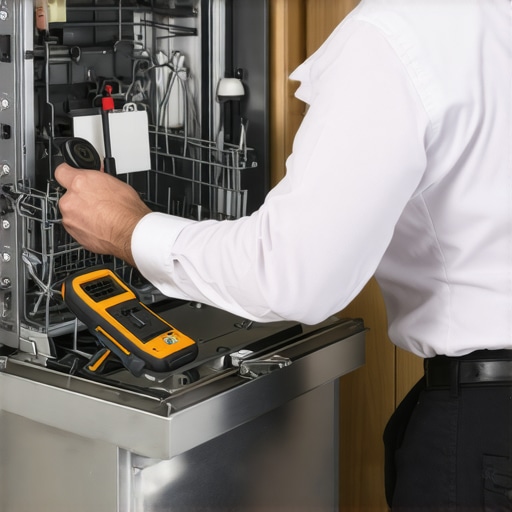
Maintaining a dishwasher requires precise tools that can handle specific tasks without causing additional issues. My go-to toolkit includes a quality multimeter for electrical checks, a flexible inspection mirror, and a set of miniature screwdrivers tailored for appliance repair. I personally rely on a digital multimeter because it allows me to quickly identify electrical faults, ensuring safety and accuracy. A flexible inspection mirror is invaluable for visualizing hard-to-reach components like the drain pump or control panel without dismantling the entire unit, saving time and reducing the risk of accidental damage. Additionally, a magnetic parts tray helps keep screws and small components organized during repair tasks, preventing loss and unnecessary frustration.
Beyond basic tools, I recommend investing in a dishwasher-specific repair kit that includes replacement hoses, seals, and filters. These kits, available from reputable manufacturers, simplify the process of sourcing compatible parts, which is crucial for maintaining warranty compliance and ensuring long-term reliability. For software tweaks and diagnostics, I often use manufacturer-provided diagnostic apps or code readers, which help identify error codes swiftly and guide precise repairs. Embracing these tools not only streamlines maintenance but also prolongs your appliance’s lifespan by enabling timely interventions.
Predicting the Future of Dishwasher Maintenance
As technology advances, we can expect smarter, more integrated dishwasher systems that diagnose issues autonomously and even notify homeowners via smartphone apps. The evolution of IoT-enabled appliances will likely include predictive maintenance features, alerting you to component wear or possible failures before they happen, reducing downtime and repair costs. Staying aligned with this trend involves adopting compatible diagnostic tools and ensuring your connections are future-proof, like monitoring water sensors or firmware updates that optimize performance.
How do I maintain my dishwasher over time?
The key to long-term dishwasher health is regular, proactive maintenance. Schedule monthly inspections of seals, filters, and spray arms, and clean out debris to prevent clogs. Using high-quality, eco-friendly rinse aids not only improves cleaning results but also reduces mineral buildup that can impair pump function. Always follow manufacturer guidelines when replacing parts—consult the detailed guide on [common-dishwasher-parts-and-how-to-replace-them-effectively](https://appliancedoctorz.com/common-dishwasher-parts-and-how-to-replace-them-effectively)—to ensure compatibility and warranty protection. Don’t forget to verify that your installation adheres to the latest standards; for example, review [top tips for seamless dishwasher installation in 2025](https://appliancedoctorz.com/top-tips-for-seamless-dishwasher-installation-in-2025). This ensures optimal performance and can prevent costly repairs down the line.
For those interested in extending the life of their appliance, I recommend setting up a maintenance checklist that includes testing electrical connections quarterly and inspecting hoses annually. If you notice any irregular error codes, referencing trusted resources like [how to diagnose dishwasher parts during warranty periods](https://appliancedoctorz.com/how-to-diagnose-dishwasher-parts-during-warranty-periods) can guide you in whether a DIY fix is feasible or if professional help is warranted. Remember, maintaining your dishwasher isn’t just about fixing problems; it’s about preventing them.
What I Wish I Knew Before Tackling Dishwasher Fixes
One of my biggest revelations was realizing how often overlooked components silently dictate my dishwasher’s lifespan. Ignoring small signs like minor noises or slow drainage can cost a lot in repairs down the line. I learned that many issues stem from simple, preventable causes—like mineral buildup or loose wiring—that I had underestimated. The biggest lesson? Patience and attention to detail save money and frustration, and a bit of insider knowledge transforms DIY repairs from daunting to doable.
Gear Up with Tools That Count
Over time, I discovered that having the right toolkit radically changed my repair game. A quality multimeter helps diagnose electrical faults quickly; a flexible inspection mirror uncovers hidden debris; and a set of precision screwdrivers ensures I don’t strip delicate screws. These tools don’t just make repairs easier—they prevent accidental damage and give peace of mind. Trust me, investing in a few reliable tools is a game-changer for long-term dishwasher care.
Embrace Beyond-The-Scene Repair Wisdom
Looking ahead, the future promises smarter appliances with built-in diagnostics, but for now, proactive maintenance is your best friend. Regularly inspecting seals, filters, and spray arms prevents issues from escalating. Using eco-friendly rinse aids and avoiding harsh chemicals protect internal parts. Also, understanding your warranty coverage—by reviewing resources like this guide—can save you from unexpected costs and empower you to make informed decisions. Remember, informed maintenance today wards off costly repairs tomorrow.
Related Posts

How to Check Your Inlet Valve for Small Debris Without Tools
I remember the first time my dishwasher started acting up…
How to Use a Multimeter to Test Your Dishwasher’s Thermal Fuse
Have you ever experienced that sinking feeling when your dishwasher…
How to Replace a Cracked Control Panel Overlay
I still remember the exact moment I heard that sickening…