
I was staring at a brand-new $900 stainless steel box that refused to do its one job: wash the dishes. It was only eight days old. The installation looked perfect, but there was a distinct, metallic grinding sound coming from the motor housing. I felt that pit in my stomach. I knew if I called for service, the first thing they’d do is look for a way to blame me. I’ve been there before. Once, I actually paid a technician a massive fee just for him to tell me he couldn’t find a problem, even though my kitchen floor was literally warping. That mistake happened because I didn’t know how to diagnose dishwasher parts during warranty periods with enough confidence to push back. Today, we’re changing that. I’m going to help you gather the cold, hard evidence you need so that when the tech walks through your door, the ‘it’s not a defect’ excuse isn’t even an option.
Stop Paying for Someone Else’s Manufacturing Mistakes
The reality of the appliance world is frustrating. Most people don’t realize that your warranty covers parts but rarely the service trip fee if they decide nothing is wrong. It’s a gamble. A study by Consumer Reports shows that nearly 20% of new dishwashers develop a problem within the first year, yet many claims are denied due to lack of evidence from the consumer. You need to be your own investigator. You need to document the failure while it’s happening. I once lost out on a full replacement because I didn’t have the specific receipt wording that saves your extended warranty. It was a painful lesson in bureaucracy. Have you ever felt like a service tech was gaslighting you about a broken appliance? I want to hear about it, because honestly, we’ve all been there.
Will the Company Actually Believe a Homeowner?
Skepticism is healthy here. You might think, ‘I’m not a mechanic, why would they listen to me?’ They’ll listen because you’re going to show them photos, videos, and technical data that prove the issue is internal. Whether it’s a cracked spray arm or a faulty control board, knowing how to prove pre-existing damage is your best defense. We are going to look at the specific parts of the machine that fail most often and how to document them before that service appointment is even booked. This is about more than just a repair; it’s about making sure the manufacturer stands by their product.
Document the Crime Scene Before They Arrive
To beat the manufacturer at their own game, you have to think like a private investigator. The moment you notice a symptom, your kitchen becomes a crime scene. I remember a specific Tuesday when my three-week-old machine started chirping like a dying bird during the final rinse. I knew that if I just described it as a ‘funny noise,’ the dispatcher would flag it as a low-priority ‘user error.’ Instead, I pulled out my phone and started a checklist of essential parts every dishwasher owner should know about. I didn’t just listen; I tracked exactly which minute of the cycle the sound started. Precision is your best friend. You need to identify if the noise is coming from the wash pump, the drain pump, or a loose internal fitting. By identifying the timing, you prove it’s a specific mechanical failure and not just the sound of a stray spoon rattling in the rack.
Record Every Sound and Glimmer of Water
Visual and audio proof are the only things that truly stop the service fee ‘gaslighting’ in its tracks. I once dealt with a slow, agonizing drip that only appeared when the motor reached a certain vibration frequency. The technician told me over the phone it was probably just condensation from my floor. I wasn’t buying it. I laid a dry piece of bright blue construction paper under the kickplate and recorded a time-lapse video. When that paper turned dark blue, I had the evidence I needed. That video eventually forced the company to acknowledge I needed a new motor housing. If you suspect a leak, knowing how to find a hidden leak under the motor housing is the difference between a free repair and a $150 bill for ‘no problem found.’ 
Identify the Root Cause to Stop the Gaslighting
Manufacturers love to blame ‘external factors.’ They will look at your plumbing, your detergent, and even your water pressure before they admit their part is faulty. To protect yourself, you need to verify the basics. If the unit won’t empty, check if the issue is internal before calling. Often, users are surprised at why your unit refuses to drain even after cleaning the filter, which can point toward a faulty solenoid or a seized impeller rather than a simple clog. When you can tell the technician, ‘I have already cleared the filter and checked the air gap, and the pump is still humming without moving water,’ they realize they aren’t dealing with a novice. This level of detail ensures they bring the right popular dishwasher parts for a one-visit fix instead of making you wait weeks for a backordered component.
Distinguish Between Hardware Failure and Setup Blunders
Before you file that claim, you must rule out installation errors. This is the biggest loophole warranty companies use to deny coverage. For example, if your machine is leaking from the door, it might not be a bad gasket; it could be that the machine isn’t level. If it isn’t draining, it might be because your warranty policy doesn’t cover improper drainage loops created during a DIY install. I’ve seen homeowners lose their entire warranty because they used a standard wood screw that pierced a plastic tub. Take ten minutes to cross-reference your setup with essential parts for troubleshooting dishwasher installation issues. If your install is perfect, then every piece of evidence you’ve gathered points directly back to a manufacturing defect, making your claim virtually impossible to ignore.Everyone assumes that hiring a ‘certified professional’ is a get-out-of-jail-free card for warranty claims. But here is the hard truth: just because a person is paid to install your appliance doesn’t mean they are following the manufacturer’s specific protective protocols. In my years of troubleshooting, I have seen ‘pro’ installs that looked clean but fundamentally ignored the guide to dishwasher parts warranty what you need to know. One of the most common mistakes is failing to perform the critical reason to flush your water lines before hooking up a new machine. If your plumber hooks the unit directly to an old copper line without flushing it first, sediment can lodge in the new solenoid valve within seconds. When that valve fails, the manufacturer won’t cover it because it was ‘external debris,’ not a part defect.
Why a Professional Installer Might Be Your Biggest Risk
Most people don’t realize that installers are often working on a per-job flat rate, which incentivizes speed over precision. This is where the ‘trap’ happens. According to industry data from the Association of Home Appliance Manufacturers (AHAM), installation errors account for a staggering percentage of first-year service denials. The installer might skip the new water valve because ‘the old one looks fine,’ but why your professional installer insists on a new water valve is usually to prevent micro-leaks that lead to long-term cabinet rot. If they reuse an old part to save ten minutes, they are effectively gambling with your factory coverage. 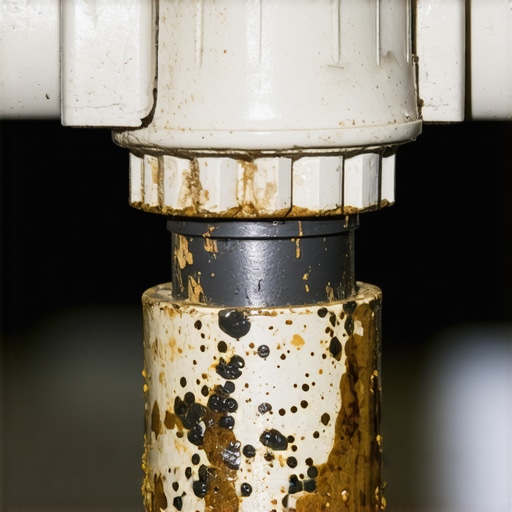
Why Do Technicians Always Check Your Sink Plumbing First?
The moment a warranty tech walks into your kitchen, they aren’t looking at the dishwasher; they are looking at your sink. They are hunting for an excuse to categorize the visit as a ‘non-warranty’ event so they can collect a service fee. They will look for an improper high loop or a clogged air gap. If your sink is partially clogged, the backpressure can damage the pump over time. By understanding the strategies for maximizing your dishwashers warranty through proper parts selection, you ensure that every component from the floor to the faucet meets the manufacturer’s strict specifications.
The Small Part That Voids Your Entire Coverage
Here is the nuance most homeowners miss: there is a massive difference between factory warranties and store protection plans. A factory warranty is strictly for the metal and plastic the company built. If you used a third-party mounting kit that didn’t come with the machine, you might have already compromised your claim. I once saw a warranty denied because the installer used a non-standard brass elbow that had a slightly different thread pitch, causing a microscopic drip that eventually fried the control board. Always verify that your installer uses the exact components listed in the manual, rather than whatever is rolling around in the back of their truck. Have you ever fallen into this trap? Let me know in the comments.I never step into a kitchen without my two most trusted allies: a digital multimeter and a high-powered shop vac. You might think that’s overkill for a household appliance, but having the right equipment is the only way to transition from a frustrated owner to a confident operator. I’ve found that why a shop vac is the best way to clear a clog is a lesson learned the hard way after a kitchen flood. When the drain pump is seized, you don’t want to bail water with a coffee mug; you want to create a vacuum seal that pulls debris through the impeller without requiring a full teardown. If your machine is dead to the world, knowing how to test your thermal fuse with a basic multimeter allows you to identify a $15 part failure versus a $300 control board replacement. It’s this level of specificity that stops repairmen from overcharging you for ‘labor-intensive’ diagnostics.
Don’t Fly Blind Without These Tools
Maintaining your machine isn’t just about cleaning the filter once a month; it’s about understanding dishwasher parts a key to effective maintenance so you can spot wear before it becomes a catastrophe. For example, I swear by a silicone-based lubricant for the door hinges. Most people ignore them until they squeak, but by then, the tension cables are already fraying. I also keep a simple set of dental picks in my junk drawer. They are perfect for the 3-minute hack to clear your spray arm nozzles. Calcium buildup in those tiny holes reduces water pressure, which makes the motor work harder and shortens its lifespan. According to the Association of Home Appliance Manufacturers (AHAM) in their technical brief on performance standards, even a 10% reduction in spray arm flow can significantly increase the energy consumption of a standard wash cycle as the machine tries to compensate for the lack of mechanical scrubbing.
How do I keep my dishwasher running for 10 years?
Long-term results come from the tasks everyone else forgets. I tell my friends that the one maintenance task that doubles the life of your gasket is a simple wipe-down with white vinegar. Detergent residue is acidic and eventually eats through the rubber seal, causing those phantom leaks that ruin your subflooring. You should also be proactive about parts to check when installing a dishwasher for long term performance, specifically the drain hose. If you see it sagging, lift it up. A simple zip tie can prevent the backflow issues that lead to ‘swamp smell.’ 
What the Future of Dishwashing Looks Like
Looking ahead, we are moving toward a ‘smart’ era where the machine will diagnose itself, but this comes with its own set of headaches. I predict that software-based failures will soon outpace mechanical ones. We are already seeing why most smart dishwasher sensors fail within two years due to the harsh chemical environment inside the tub. In the future, maintaining your warranty might involve ‘firmware updates’ just as much as cleaning filters. To stay ahead of the curve, I recommend doing one thing this weekend: pull off your kickplate and check for any signs of salt-like residue near the motor. If you find it, you’ve caught a slow leak early. Don’t wait for the floor to warp—grab a multimeter and verify your sensors are still within the ohm range specified in your manual today.
Lessons from the Kitchen Floor: My Costliest Mistakes
Reflecting on my early years of homeownership, the biggest mistake I made wasn’t trying to fix things myself; it was failing to document the state of my kitchen before the experts arrived. I have learned that the specific receipt wording that saves your extended warranty is often more important than the actual repair itself. Another ‘lightbulb moment’ occurred when I realized that service technicians are trained to find an out. If your sink is even slightly backed up, they will blame the appliance failure on your plumbing. This is why your professional installer checks your sink drain for clogs first—it is the easiest way to invalidate a claim. Finally, I realized that while I might not be a licensed pro, my eyes and ears are the best diagnostic tools in the room. If a sound does not seem right, it probably isn’t, regardless of what a customer service script says.
Items That Saved Me a $300 Repair Bill
I do not expect everyone to have a full garage of tools, but a few small investments can save you a fortune in service fees. First, knowing how to test your thermal fuse with a basic multimeter is a skill that takes five minutes to learn but can prevent a complete control board replacement. Second, why a shop vac is the best way to clear a clog became clear to me during a midnight flood; it is the only tool that can pull debris out of a pump without a full teardown. I also keep a set of dental picks to ensure I am using the 3-minute hack to clear your spray arm nozzles effectively, maintaining that crucial water pressure. These aren’t just tools; they are your insurance policy against ‘no problem found’ service charges.
You Are Now the Expert Your Dishwasher Deserves
Owning an appliance should not feel like a constant battle against planned obsolescence. By understanding the nuances of your dishwasher parts warranty, you move from being a frustrated consumer to an empowered homeowner. Do not be afraid to pull off that kickplate and look for evidence of leaks or sensor failures. You have the tools, the data, and the confidence to hold manufacturers accountable to the products they sell. It is your kitchen, your money, and your peace of mind. Be sure to follow the guide to dishwasher parts warranty what you need to know and never let a service tech gaslight you again. Have you ever been told a clear mechanical defect was actually your fault? Drop your story in the comments so we can help others spot the signs!
Related Posts

The Hidden Costs of Buying a Used Dishwasher Without a Warranty
I remember the moment I realized I’d made a mistake…

The Best Way to Handle a Denied Factory Warranty Appeal
Ever felt that sinking feeling when your warranty claim gets…

Why Using Generic Pods Might Void Your Pump Warranty
I remember the moment clearly: I was halfway through a…