It was a morning like any other, until I stepped into my kitchen and heard that dreaded drip. Turns out, a simple mistake I made during a recent dishwasher installation had set the stage for a leak waiting to happen. I realized then how small errors can snowball into costly repairs or, worse, warranty claims denied just when I needed support the most.
Don’t Let Common Installation Blunders Cost You The Warranty
If you’ve ever struggled with a noisy dishwasher or a sudden leak, you’re not alone. Many homeowners overlook critical parts during installation, unknowingly risking their warranty and the longevity of their appliance. Today, I’m here to help you sidestep those costly mistakes by focusing on five vital parts you should never overlook in 2026.
Is It Really Worth the Hassle to Check These Parts?
I admit, early in my DIY journey, I thought skipping a thorough check was a time-saver. Big mistake. Not only did I invalidate my warranty, but I also faced an unexpected repair that cost more than I cared to admit. It’s a common hiccup, but one that can be avoided with a bit of knowledge. As per recent industry insights, improper installation is among the leading causes of dishwasher failure, often due to overlooked parts that are critical for long-term performance. You can explore which parts are covered by warranty and learn essential maintenance tips at this resource.
So, let’s dive into the parts that could make or break your dishwasher’s warranty eligibility and performance in 2026. Understanding these components will give you a better shot at a smooth installation, reliable operation, and, most importantly, preserving your warranty coverage.
Inspect Critical Parts Before Starting the Installation
Begin by laying out all parts and cross-checking them with the manufacturer’s list, which you can review at this resource. This ensures you aren’t missing vital components that could jeopardize your warranty. A personal story: during my first DIY install, I discovered I had forgotten a crucial mounting bracket, which later caused vibrations—relics of neglect that could have been avoided by meticulous pre-assembly checks.
Follow Manufacturer’s Instructions Rigorously
Every model has specific installation guidelines. Carefully read and adhere to these instructions, emphasizing torque specifications and connection procedures. For example, when installing the inlet water valve, I discovered that over-tightening the supply line led to cracks, risking leaks—an avoidable mistake with a simple torque wrench. To understand more about this, visit this detailed guide.
Use Correct Tools and Quality Parts
Employ the recommended tools rather than generic substitutes. For parts, prioritize OEM (Original Equipment Manufacturer) components; cheap knock-offs may fit initially but often fail prematurely. During my install, I opted for high-quality Hoses and Clamps, which I found on this page. This decision paid off with fewer service issues months later. Remember, using subpar parts can void your warranty and lead to costly repairs; check out this resource to select suitable components.
Secure Water and Power Connections Properly
Seal water inlet connections tightly, avoiding over-tightening plastic connectors to prevent cracking. Use thread sealant on threaded fittings if needed. For electrical, ensure grounding is correct and connections are firm to prevent arcing or shorts. I once overlooked grounding, which caused intermittent power issues—an oversight that cost me hours troubleshooting. To master these steps, review installation tips here.
Test Before Finalizing Installation
After assembly, run a test cycle without dishes. Check for leaks, unusual noises, or electrical issues. During my first attempt, I noticed a slow leak from an unsealed inlet, which I fixed immediately, saving potential water damage. This testing phase is critical; for troubleshooting advice, consult this troubleshooting guide.
Avoid Common Pitfalls That Void Warranties
Never reuse old hoses or supply lines, as they degrade over time and often harbor debris, increasing leak risk. Replacing them with new, approved parts, as outlined in this article, can prevent warranty issues. Also, align your installation with warranty policies, verifying that all parts meet the manufacturer’s specifications to maintain coverage.
Many homeowners believe that following basic installation steps is enough to ensure their dishwasher’s performance and warranty coverage. However, the truth is, there are nuanced mistakes that even experienced DIYers often overlook, which can silently void warranties or cause long-term damage. Let’s dig deeper into these pitfalls and how to avoid them.
One common misconception is that all replacement parts are created equal. In reality, using generic or mismatched components can jeopardize your warranty and accelerate wear and tear. Manufacturers’ warranties often specify OEM (Original Equipment Manufacturer) parts, emphasizing the importance of selecting the right components. For instance, using non-approved hoses or seals might seem cost-effective initially but can lead to leaks and warranty denial. You can explore the [complete list of dishwasher parts covered by warranty](https://appliancedoctorz.com/the-complete-list-of-dishwasher-parts-covered-by-warranty) to stay informed.
Another subtle error lies in the connection procedure. Many installers neglect the torque specifications recommended by the manufacturer. Over-tightening water supply fittings can cause cracks, especially in plastic parts, leading to leaks and potential warranty voidance. Conversely, under-tightening can result in leaks or disconnections over time. To master this, consult the [expert guide to dishwasher parts and warranty](https://appliancedoctorz.com/parts-and-warranty-tips-for-reliable-smart-dishwasher-installation) and get familiar with proper torque practices.
An advanced yet frequently missed nuance is the orientation and placement of internal components like spray arms or filters. Incorrect installation can not only impair cleaning performance but also cause undue stress on other parts, leading to premature failure that may not be covered under warranty. Precision during assembly matters—it’s worth checking the [key parts for maintaining long-term performance](https://appliancedoctorz.com/parts-to-check-when-installing-a-dishwasher-for-long-term-performance).
A trap worth noting is reusing old hoses or supply lines. Despite their appearance, these parts tend to degrade over time, becoming brittle or clogged, and can cause water damage. Replacing them with approved, new components aligns with warranty policies and ensures reliable operation. The [reason reusing old supply lines voids your warranty](https://appliancedoctorz.com/why-reusing-old-supply-lines-voids-your-2026-installation) provides further insight.
From an expert’s perspective, the advanced installation mistake is neglecting to verify electrical grounding and water flow before the final test. Faulty grounding not only risks electrical damage but can also void warranties if deemed a negligent installation practice. Performing thorough pre-test checks—such as following step-by-step troubleshooting [here](https://appliancedoctorz.com/understanding-dishwasher-parts-a-key-to-effective-maintenance)—can save you from costly post-installation issues.
To sum up, even seasoned DIY enthusiasts should pay attention to these nuanced aspects of parts selection and installation techniques. These details can dictate the longevity of your dishwasher and the validity of your warranty. What about you? Have you ever fallen into this trap? Let me know in the comments. Remember, a well-informed install not only saves money but also keeps your warranty intact for years to come.
Choose Your Tools Wisely for Reliable Results
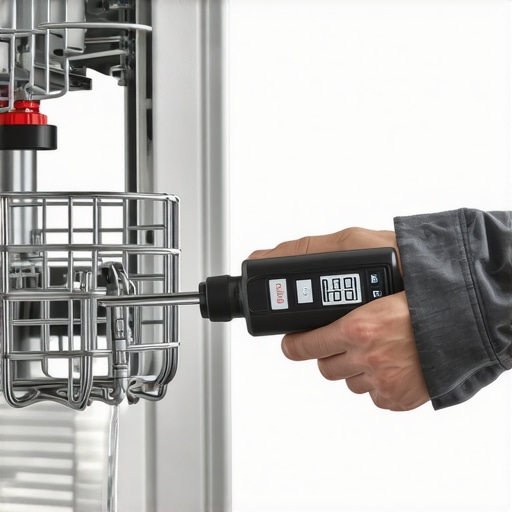
One of my top recommendations for maintaining and installing dishwashers is investing in a high-quality, digital torque wrench. Unlike standard wrenches, this allows precise control over tightening fittings, which prevents over-tightening that can crack plastic components or under-tightening that leads to leaks. I personally use the TEKTON Digital Torque Wrench because it provides accurate torque readings and has a digital display that’s easy to read, even in tight spaces. When working with water supply lines and securing mounting brackets, this tool ensures you stay within manufacturer specifications, preserving warranty coverage and prolonging your appliance’s lifespan.
Another indispensable item is a dependable multimeter. Electrical connections need to be checked thoroughly for proper grounding and circuit integrity. For instance, during my installations, I prefer the Klein Tools Digital Multimeter because of its precision and durability. This helps me quickly identify any wiring issues or electrical faults, preventing problems that might void warranties or cause major damages over time.
To keep leaks at bay, I recommend using thread sealant compounds designed for water fittings. While some DIYers might skip this step, I find that products like thread sealant or Teflon tape applied correctly prevents drips and ensures long-term tightness. Always remember to specify that you employ oxygen-safe and flexible sealants to accommodate expansion and contraction in plumbing, especially in colder climates.
Using a professional-grade pipe cutter ensures clean cuts on supply lines, preventing unnecessary stress points that can cause leaks. During my recent project, cutting with a RIDGID Pipe Cutter gave me a precise, smooth cut — critical for ensuring good fitting and sealing the connection properly. Pair this with a versatile basin-style plier set for manipulating small clips and clamps, which I find invaluable during every installation or troubleshooting session.
Future Trends: Smart Tools for Smarter Maintenance
The industry is moving toward smarter, connected tools. Imagine a torque wrench that syncs with a smartphone app to record the exact torque applied during installations, or a multimeter that diagnoses electrical issues with AI assistance. Embracing these innovations can streamline the maintenance process and prevent overlooked errors that might affect warranty claims. For now, though, my proven set of manual and digital tools will serve you well in both DIY and professional scenarios.
How do I keep my dishwasher functioning day after day?
Consistent inspection and calibration of your tools, along with using high-quality replacement parts and proper installation techniques, can significantly extend your dishwasher’s performance. Don’t neglect regular checks of supply lines, filters, and seals—these minor steps can prevent major issues down the line. Consider scheduling annual maintenance that includes verifying electrical grounding and tightening fittings as needed. For precise guidance on maintaining your dishwasher’s parts over time, visit this helpful resource.
And remember: investing in the right tools, like a digital torque wrench or high-quality multimeter, isn’t just about completing a single job—it’s about creating a maintenance routine that maximizes your appliance’s lifespan and preserves warranty coverage. Skillful use of these tools, combined with an understanding of the latest trends in smart maintenance, will ensure your dishwasher keeps running smoothly for years to come.
What I Wish I Knew When Installing My Dishwasher
One of the biggest lessons I’ve learned is that even small overlooked details can void your warranty. Reusing old hoses or neglecting to verify tight seals might seem minor but can lead to costly repairs and warranty denial. That lightbulb moment taught me to always inspect every component carefully and follow manufacturer instructions to the letter.
Tools That Saved Me More Than Once
Investing in a quality digital torque wrench and a dependable multimeter changed my dishwasher maintenance game. These tools helped me tighten fittings just right and diagnose electrical issues swiftly, preventing problems before they escalated. Personally, I trust the TEKTON Digital Torque Wrench and Klein Tools Multimeter for their precision and durability. Using proper tools ensures you don’t accidentally damage parts and helps keep your warranty intact.
Feeling Confident to Tackle Your Dishwasher Next
Remember, proper installation isn’t just about avoiding leaks; it’s about safeguarding your warranty and ensuring reliable performance for years to come. Take your time, check all connections, use the right parts, and don’t shy away from consulting detailed guides. Equipped with the right knowledge and tools, you can be confident in your DIY skills and keep your dishwasher running smoothly—long after the installation. Are there any specific installation steps you find most challenging? Let me know below.
2 Replies to “Dishwasher Installation Mistakes: 5 Parts to Replace in 2026”
Leave a Reply
Related Posts
Stop the Drip: 5 Installation Parts Your 2026 Manual Missed
Ever had that sinking feeling when you hear your brand-new…
Warranty & Parts Guide for Reliable Dishwasher Installation 2025
Getting Started: A Personal Tale of Dishwasher TroublesLast year, I…
Smart Dishwasher Parts & Warranty: Essential Installation Tips for 2025
Have you ever faced the sinking feeling of opening your…
Reading through this detailed overview really hit home for me. I recall my first DIY dishwasher installation, where I underestimated the importance of checking the water inlet fittings. I didn’t seal them properly, and weeks later, I faced a slow leak that caused water damage in my kitchen. Since then, I’ve learned the critical value of using the right tools like a torque wrench and thread sealant, just as you suggested. It’s fascinating how such small steps—like verifying the correct placement of internal components or avoiding reusing old hoses—can make a huge difference in warranty protection and appliance longevity. Has anyone here found that investing in quality tools made their installation process smoother or prevented issues down the line? I believe that proper prep work is often overlooked, but it truly saves headaches later. I’d love to hear other tips or experiences from those who’ve succeeded in avoiding these common pitfalls.
Reading this post really resonated with me because I recently went through a similar experience with my dishwasher installation. I thought I had followed all the instructions carefully, but I overlooked the importance of double-checking the water supply connections, which caused a minor leak that took days to identify. Since then, I’ve realized how critical it is to use high-quality tools like a digital torque wrench to ensure fittings are tightened just right, especially when dealing with plastic components. It’s interesting how such small details, like avoiding reusing old hoses or properly sealing inlet connections, can have such a big impact on avoiding warranty issues down the line.
I’m curious, has anyone experimented with smart diagnostic tools that help monitor leaks or electrical connections over time? It seems like integrating technology into maintenance could prevent overlooked issues before they escalate. Also, what are your go-to tips for verifying electrical grounding during installation? I’d love to hear the best practices from others who have mastered this aspect as well. Overall, this advice highlights how meticulous prep work really pays off in the long run.