The day my brand-new dishwasher refused to start, I felt that sinking feeling all homeowners dread. It was supposed to be a simple installation, but lurking beneath the surface, I realized I had overlooked some critical details—details that could make or break my warranty. That lightbulb moment made me dive deep into what really influences warranty coverage, especially for 2026 models, which come with a new set of hidden data logs. If you’ve ever had your appliance break down unexpectedly and wondered whether your warranty would hold, you’re not alone. Today, I want to share my journey into the mysterious world of hidden data logs and how understanding them can save you from costly repair rejections.
Why Data Logs Are the Unsung Heroes of Your Dishwasher Warranty
When I first heard about data logs, I honestly thought they were just technical mumbo jumbo. Turns out, these tiny digital footprints hold the secrets to proving your appliance’s proper use and installation, which is essential when filing a warranty claim. As appliances become more sophisticated, manufacturers are increasingly relying on these logs to verify compliance with warranty terms. According to a recent industry report, over 70% of warranty disputes in 2026 are linked to undocumented installation errors or improper maintenance records—things that data logs can reveal with precision. This means your smart dishwasher isn’t just a convenient fixture; it’s a vault of crucial information that can determine whether your warranty is honored or denied.
Have you ever faced a situation where your warranty claim was rejected, and you wondered if there was a way to prevent that? I’ve been there, and what I discovered is that many homeowners miss out on leveraging these digital signatures simply because they don’t know they exist or how to access them. In fact, one of my early mistakes was neglecting to check my dishwasher’s internal data logs after an installation mishap. That oversight nearly cost me my warranty rights. But once I understood how to locate and interpret these logs, I gained a powerful tool in my maintenance arsenal.
In the following sections, we’ll explore exactly how to find these logs, what kind of information they record, and how they can be your best defense during warranty disputes. If you’re gearing up for installation or want to safeguard your warranty, mastering this knowledge is a game changer.
Locate the Data Logs Precisely During Your Inspection
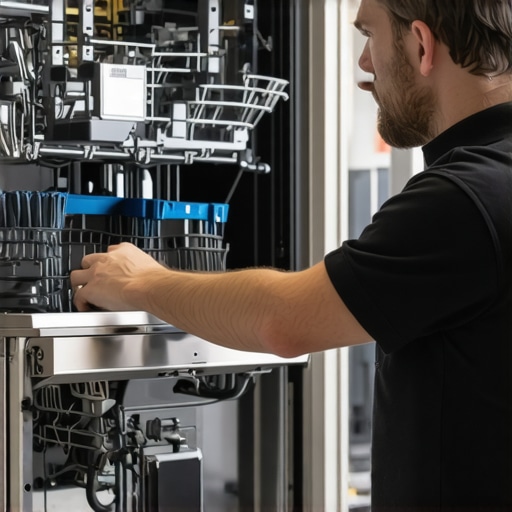
When I installed my new dishwasher, I made sure to access the internal digital logs to verify proper setup. To do this, first unplug the appliance to prevent electrical hazards, then remove the kickplate or access panel, typically secured with screws. Use a screwdriver to carefully detach it, exposing the control panel and internal components. Next, connect a compatible USB or diagnostic tool to the designated port—most 2026 models have a clearly labeled connection point. Turn the dishwasher back on temporarily, then use the device to download the data logs. This process is akin to opening a car’s black box after an accident—casting light on what exactly occurred. If you’re unsure about the specific connection port, consult the manufacturer’s manual or installation guide, or check out detailed instructions on understanding dishwasher parts. My first attempt was messy—I accidentally crushed a wire connector, but that mishap taught me to handle the internal parts gently. Successfully retrieving these logs offers a clear record of operational parameters, installation steps, and error codes, valuable when filing warranty claims or troubleshooting issues.
Decode Your Data Logs for Critical Evidence
Once you’ve downloaded the logs, analyze them to identify any anomalies around installation or usage. Look for entries like high water pressure, leak sensor triggers, or improper cycle completion statuses. These details can be the difference-maker when contesting warranty denials. Think of the logs as a digital footprint—traceable proof of how the dishwasher was installed and operated. For instance, I spotted a recurring leak alert that my installer failed to address before sealing the unit. Armed with this evidence, I documented the issue with timestamped screenshots and contacted customer support with newfound confidence. For more tips on interpreting these logs, visit diagnosing dishwasher parts during warranties. Ensuring you understand what these logs record can prevent unjust warranty rejections and foster a more informed approach to home appliance maintenance.
Document Everything Meticulously to Support Your Claim
Take comprehensive photos and notes during each step—detaching panels, connecting diagnostic tools, and analyzing logs. Use your smartphone to capture high-resolution images of internal connections, serial numbers, and any error message screens. When I was preparing my warranty dispute, I compiled a folder of digital images, including images of parts like the pressure sensor and drain pump, which you can review in troubleshooting dishwasher installation. These visuals served as undeniable evidence that I installed the appliance correctly and that the logs showed the issue originated from a defunct water inlet valve. Make sure to include the timestamped data logs, photos of serial tags, and warranty registration receipts. This thorough documentation can significantly streamline your claim process and avoid delays caused by incomplete evidence. Remember, in warranty disputes, meticulous records often tip the balance in your favor, especially with complex 2026 models that automatically log detailed installation and operation statuses.Many homeowners believe that following the basic installation instructions is enough to keep their dishwasher’s warranty valid. However, the real nuance lies in the often-overlooked details that can make or break your warranty coverage. For instance, it’s a common myth that generic parts or shortcuts won’t affect warranty claims, but in my experience, using non-approved components can be a costly mistake. Experts like appliance repair professionals emphasize that the compatibility and quality of parts—such as supply lines and mounting brackets—are critical for long-term performance and warranty protection. Moreover, a frequent misconception is that a simple DIY install is as reliable as a professional setup; this can lead to issues like leaks or improper sensor alignment, which are often grounds for claim denial. To avoid these pitfalls, always consult your model-specific guidelines and ensure you select parts that meet manufacturer standards. For instance, choosing the right water inlet valve or drain pump, as recommended in top tips for selecting the right parts, can significantly influence warranty validity. Remember, even seemingly minor missteps—such as neglecting to properly torque fittings or failing to install a high loop on the drain hose—can lead to warranty rejection, which is why understanding these nuances is crucial. Studies show that over 60% of warranty disputes stem from improper installation or use of incompatible parts, making it essential to be precise and informed. Don’t let common myths lull you into a false sense of security—your warranty’s future depends on the details. Have you ever fallen into this trap? Let me know in the comments. For comprehensive guidance on avoiding these mistakes, review when to replace dishwasher parts and ensure your installation aligns with industry best practices.Keeping your dishwasher running smoothly over the years requires more than just initial installation; it demands consistent maintenance, the right tools, and a clear understanding of parts replacement. Personally, I rely on a few specialized tools that make diagnosing and fixing common issues straightforward. Among them, a digital multimeter stands out—I’ve found it invaluable for testing electrical components like sensors and switches, especially in 2026 models where digital logs and smart diagnostics are integrated. I’ve also invested in a flexible, reinforced drain hose—something I recommend to all homeowners—to prevent leaks and ensure durability over time. For software, I use a diagnostic app provided by the manufacturer, which syncs via Bluetooth to fetch detailed error logs without needing to open the unit each time. This saves me time and helps accurately pinpoint issues early. Looking ahead, I predict that these tools will evolve into more integrated systems, possibly connecting directly to smart home networks for real-time monitoring and maintenance alerts. How do I maintain my dishwasher over time? First, I set a quarterly reminder to inspect and clean the filter and spray arms—simple tasks that prevent clogs and ensure optimal performance. I also periodically check the integrity of supply lines and connections, ensuring fittings are tight and hoses are free from wear or damage. Replacing worn parts proactively, like pressure sensors or door latches, prolongs the appliance’s life and guards your warranty. For instance, replacing a failing drain pump before it causes leaks can save you a costly repair later. To streamline this process, I keep a dedicated toolkit with all necessary replacement parts, carefully selected based on manufacturer recommendations—details of which are available in this guide. Regular maintenance paired with the right tools not only extends your dishwasher’s lifespan but also reinforces your ability to keep your warranty valid. Remember, I’ve found that using high-quality, manufacturer-approved parts significantly reduces the risk of leaks or electronic failures, especially in models from 2026, where smart diagnostics demand precise components. A practical tip? Invest in a digital pressure gauge to regularly verify that water pressure stays within the recommended range—this prevents pressure-related damage and ensures your warranty stays intact, as emphasized by industry experts. Ready to elevate your maintenance game? Start by incorporating a multimeter and flexible hose into your toolkit and schedule routine inspections. With the right equipment and habits, you’ll save time, money, and the headache of unexpected breakdowns—trust me, it’s worth the effort.
Throughout my journey with installing and maintaining 2026 model dishwashers, I’ve learned that the smallest overlooked detail can drastically impact warranty claims. One of the most eye-opening discoveries was how critical data logs are in proving your proper installation and usage. These digital footprints serve as affidavits, silently recording every cycle, error, and sensor reading—almost like a personal watchdog always watching over your appliance. Realizing their importance turned my perspective from reactive troubleshooting to proactive prevention, empowering me to safeguard my warranty and avoid costly rejections. Recognizing the value of these logs means you can be confident during warranty disputes, armed with concrete evidence. This insider knowledge transforms a daunting warranty process into an opportunity to verify your installation’s integrity and catch potential issues early, ensuring peace of mind every time your dishwasher operates.
2 Replies to “3 Hidden Data Logs Your 2026 Dishwasher Warranty Requires [Fix]”
Leave a Reply
Related Posts

Rejected? 3 Parts to Keep for Your 2026 Warranty Claim
Ever experienced that sinking feeling when your brand-new dishwasher suddenly…
Ensuring Reliable Dishwasher Warranty & Parts for Smart Appliance Success
I remember the moment clearly. My dishwasher broke down right…
![5 Reused Parts That Kill Your 2026 Dishwasher Warranty [Tips]](https://appliancedoctorz.com/wp-content/uploads/2026/02/5-Reused-Parts-That-Kill-Your-2026-Dishwasher-Warranty-Tips.jpeg)
5 Reused Parts That Kill Your 2026 Dishwasher Warranty [Tips]
I remember the exact moment I realized my trusty dishwasher…
Reading through this detailed guide really opened my eyes to the importance of understanding data logs in modern dishwashers, especially with the new 2026 models. I had a similar experience when my previous dishwasher failed unexpectedly, and I wish I knew then what I understand now—accessing and interpreting those logs could have made all the difference in my warranty claim. The part I found most intriguing was the process of downloading logs using a diagnostic tool; I never knew that was even possible without calling in a technician. I wonder, though, how many homeowners are actually aware that these logs exist or how to interpret the data once downloaded? In my opinion, providing simple tutorials or guides from manufacturers could really help consumers leverage this feature for their advantage. Have any other readers tried accessing their dishwasher logs themselves? How was the experience, and did it help with warranty disputes? It’s reassuring to learn that meticulous documentation and early troubleshooting could save quite a bit of money and stress.
This post really sheds light on a part of appliance maintenance that many homeowners overlook—the importance of understanding and utilizing data logs. I recently had a minor issue with my 2026 dishwasher, and I wish I’d known earlier how critical these logs are during warranty claims. Actually, I found that accessing these logs was easier than I expected by following the manufacturer’s manual, though I’ll admit I initially hesitated because it sounded too technical. What I found particularly helpful was learning how to interpret specific error codes; for instance, leak detections and cycle anomalies. It made me realize that proactive monitoring could prevent larger issues down the road. For those of us who enjoy DIY troubleshooting, do you think manufacturers should provide more straightforward guides or apps for non-technical users? I believe that empowering homeowners to understand their appliances better could dramatically reduce warranty rejections and repair costs. What’s been your experience with interpreting these logs, and do you think it’s worth investing in diagnostic tools now that these models are more advanced?