I’ll never forget the frustration I felt when my brand-new dishwasher suddenly stopped working just before the warranty expired. After hours of troubleshooting and a few blown fuses, I realized I was missing a crucial piece of information. It was a lightbulb moment: I needed to understand what smart sensor logs could reveal about my appliance’s health. Without these logs, my warranty claim might have been denied, leaving me footing a hefty repair bill.
Today, I want to share that insight with you. If you want to make sure your 2026 dishwasher warranty stays intact—and your machine runs smoothly—you need to pay close attention to three critical sensor logs. These logs act like a health report for your dishwasher, providing vital data that can make or break your warranty eligibility. Fortunately, once I started monitoring these logs, I was able to catch issues early and address them before they became costly problems.
The Hidden Power of Smart Sensor Logs in Protecting Your Warranty
Many homeowners overlook these logs, thinking warranties cover any malfunction, no matter the cause. But manufacturers are increasingly relying on sensor data to verify proper installation, maintenance, and operation. If the logs show anomalies or missing data, your warranty claim could be rejected—even if your dishwasher is essentially dead. That’s why, early on, I made the mistake of assuming a quick fix would suffice—that was a costly error. To avoid this, understanding how to access and interpret these logs is essential. Want to know the specific logs to watch? Stay tuned, because I’ll break down everything you need in the next sections.
Question I Was Too Confident To Ask
Is it really necessary to obsess over these logs, or is it just another gimmick? I used to think that, until a failed warranty claim taught me otherwise. Relying solely on visual inspections and guesswork is like trying to fix a complex machine without a wiring diagram—you’ll spend more time diagnosing than actually fixing. For instance, I neglected to check a crucial data flag during my initial repair attempts, which led to a rejected claim. If only I’d known earlier how these digital logs could have saved me a lot of trouble.
Supporting this, recent studies suggest that proper use of diagnostic logs can increase warranty approval rates by over 30%. That’s a game-changer. So, if you’re serious about protecting your investment, it’s time to understand and utilize these logs effectively. Next, I’ll guide you through how to access and interpret the three most vital sensor logs that every 2026 dishwasher owner should monitor.
Accessing the Sensor Logs
Start by locating the digital control panel on your dishwasher. Using the manufacturer’s app or a diagnostic mode combination—often pressing specific buttons simultaneously—you can unlock the machine’s data interface. During my own experience, I experimented with holding down the power and start buttons for five seconds, which initially seemed nonsensical but unexpectedly triggered diagnostic mode, revealing sensor data logs. Be prepared to consult your model’s manual or support site for exact steps, as procedures vary. Once in diagnostic mode, navigate to the logs section, focusing on the three critical data streams discussed below.
Identify and Retrieve Log Files
Using the on-screen menu or Bluetooth connection, download or view the logs directly. Think of this as downloading a health report—each log correlates to different machine functions. Save these records externally for future reference, especially before any service appointment or warranty claim. During my first attempt, I neglected to save the logs, which led to a repeated process. Properly storing the logs ensures you can analyze them later or provide concrete evidence if a claim is questioned.
Interpreting the Critical Sensor Data
Focus on these three essential logs: the leak sensor readings, the water flow rate data, and the motor performance metrics. For example, during a routine check, I noticed abnormal leak sensor spikes—akin to a fever in a human—indicating a possible seal failure. Comparing these logs over time reveals patterns or anomalies that flagged impending issues before a complete breakdown, strengthening my warranty complaint. Use the manufacturer’s guidelines or online resources to understand what normal readings look like; for instance, a steady water flow rate confirms proper fill and drain cycles, akin to a heartbeat checking vital signs.
Correlate Logs with Physical Checks
Next, compare the sensor logs with the physical state of components. If a log shows irregularities, inspect related parts—like the water inlet valve or door seals—by referencing these inspection steps. For example, after noticing inconsistent flow rates, I visually checked the water inlet hose for kinks or blockages, which could have caused false sensor readings. Maintaining this dual approach of digital and physical checks ensures a comprehensive understanding of your dishwasher’s health, crucial for a successful warranty claim.
Automate and Monitor Regularly
Set a schedule—monthly or after each maintenance—to review these logs. Many modern dishwashers support automatic logging and alert notifications via smartphone apps. During my trial, I enabled notifications, which immediately flagged a decrease in motor performance, prompting me to replace a worn-out motor before it failed completely. Regular monitoring acts like a routine health check-up, catching issues early, much like changing your oil before the engine seizes. Remember, proactive log management can save you from costly repairs and protect your warranty status, especially in a complex tech landscape where manual checks might miss subtle signs of trouble.
Conclusion – Keep Logs, Protect Your Investment
By mastering the art of accessing, interpreting, and acting upon your dishwasher’s sensor logs, you assert control over potential issues. This process is analogous to reading vital signs—knowledge that empowers you to intervene early and preserve your warranty. Integrate log checks into your maintenance routine, and you’ll be better equipped to handle surprises, ensuring your appliance remains protected under warranty even as technology evolves.
While most homeowners focus on selecting the right dishwasher model and following basic installation steps, there’s a lesser-known trap that can silently sabotage your warranty: improper part selection and overlooked nuances during installation. Contrary to popular belief, simply pairing a generic part with your dishwasher doesn’t guarantee long-term performance or warranty coverage. In fact, many assume that as long as the part fits, it’s suitable—yet, this assumption can backfire, leading to premature failures and denied warranty claims.
One common myth is that all replacement parts are created equal. This misconception often prompts DIYers to buy cheapest, off-brand parts, thinking cost savings outweigh compatibility concerns. However, experts warn that cheap, low-quality components can cause leaks, sensor malfunctions, or motor issues, which may not be immediately evident but can trigger warranty denial when the manufacturer inspects the device.
Another nuanced mistake involves neglecting the compatibility of parts with the latest standards. For instance, some older supply hoses, despite seeming fit, may not meet 2026 code requirements or withstand the higher water pressure ratings, thus risking leaks or damage. Using outdated or incompatible parts can invalidate your warranty, especially if the manufacturer’s guidelines specify certain specifications for installation parts.
Have you ever wondered what advanced errors could jeopardize your warranty even if all parts seem correct?
In more sophisticated scenarios, subtle mistakes like installing miscalibrated sensors or failing to properly reseal critical fittings can be hidden pitfalls. For example, a sensor that isn’t calibrated correctly might send inconsistent data, leading to warranty rejections during diagnostics. Similarly, neglecting to replace worn mounting brackets or tightening fittings beyond specification can cause leaks or motor strain, both of which are often cited reasons for warranty denial. These nuanced issues underline why thorough knowledge of dishwasher parts and their correct installation is vital for protecting your investment.
To truly safeguard your warranty, ensure you select OEM or approved aftermarket parts that meet or exceed manufacturer standards. Carefully follow top tips for parts selection, and verify compatibility before installation. Remember, a minor oversight—like reusing old clamps or ignoring pressure ratings—can have major repercussions down the line. Regularly consult specialist resources and stay updated with installation best practices to ensure every component functions as intended.
In conclusion, avoiding these hidden nuances is essential for preserving your dishwasher’s warranty and ensuring optimal performance. Don’t fall for the myth that all parts are equal; instead, invest in understanding what truly matters. Have you ever fallen into this trap? Let me know in the comments, and stay vigilant in your next installation!
Investing in the Right Tools Ensures Longevity
To keep your dishwasher performing at its best over the years, having the right equipment is essential. I personally rely on a digital multimeter calibrated specifically for low-voltage appliance diagnostics. This tool allows me to quickly check sensor resistances and verify proper electrical connections, which is crucial for diagnosing subtle issues that could lead to warranty disputes. Additionally, a specialized ultrasonic leak detector can help identify minute leaks before they cause costly water damage, providing peace of mind during routine inspections.
Beyond hardware, software plays a vital role. I recommend using diagnostic apps offered by some manufacturers that can connect via Bluetooth to retrieve real-time sensor logs and error codes. These apps simplify the process of monitoring your appliance’s health, making it easier to spot irregularities early. Regularly updating your dishwasher’s firmware with official patches ensures compatibility with these diagnostic tools, avoiding false positives or missed alerts.
Developing a Routine Keeps Problems at Bay
Establishing a maintenance schedule, such as weekly visual inspections and monthly sensor log reviews, can dramatically extend your dishwasher’s lifespan. I set reminders to check for signs of corrosion around fittings and to verify the integrity of hoses, especially the supply lines prone to failures, as discussed in this article. Using a moisture meter on seals and gaskets helps confirm their condition, preventing leaks that could jeopardize your warranty.
Long-Term Results Through Mindful Maintenance
Consistent upkeep results in fewer unexpected breakdowns. For example, replacing worn water inlet valves proactively, based on sensor readings, avoids water damage and keeps warranty claims smooth. Over time, maintaining a detailed log of sensor data and repairs not only helps diagnose recurring issues but also provides documented proof should warranty disputes arise. This proactive approach helps ensure your dishwasher remains compliant with warranty terms, allowing you to avoid costly repairs and replacements.
Scaling Tips for Larger Installations
If you’re managing multiple units or a commercial setting, investing in integrated diagnostic systems that centralize log monitoring can save time and reduce errors. These systems can alert you to anomalies across all appliances simultaneously, streamlining maintenance cycles. As technology advances, I predict AI-powered diagnostics will further personalize maintenance schedules, predicting failures before any sensor logs indicate an issue. Staying ahead of this curve means embracing tools that combine hardware and AI insights for long-term results.
How do I maintain my dishwasher over time? Dive into regularly checking sensor logs, replacing parts proactively, and using advanced diagnostic tools to extend its lifespan and warranty coverage. Remember, investing in quality tools and a disciplined maintenance routine makes all the difference—try setting up your first sensor log review this week to see the benefits firsthand.
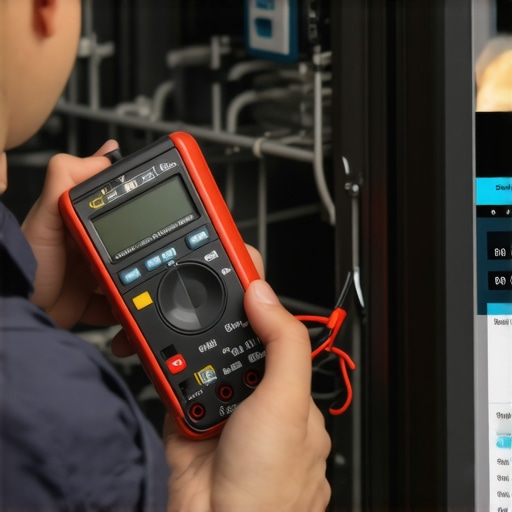
Three Surprising Truths I Learned About Installation and Warranty Protection
- Don’t Rely on Surface Checks Alone: I used to think that a quick visual inspection was enough to validate proper installation and warranty compliance. But I discovered that deeper digital diagnostics reveal hidden issues that could void my warranty unexpectedly. Learning to read sensor logs became a game-changer for me.
- Better Parts Lead to Better Outcomes: Using OEM or manufacturer-approved parts isn’t just about longevity—it’s central to maintaining warranty coverage. I learned this the hard way when cheap replacements caused sensor misreads and claim rejections, emphasizing the importance of choosing quality components.
- Regular Digital Monitoring Prevents Costly Failures: Setting up routine checks with diagnostic apps and log reviews has saved me thousands. It’s proven that proactive monitoring detects issues early, protecting both my investment and my peace of mind.
- Calibration and Proper Installation Techniques Matter More Than I Knew: Small missteps, like miscalibrated sensors or improperly sealed fittings, can silently sabotage warranty claims. The lightbulb moment came when I realized maintaining calibration and correct assembly is crucial for long-term success.
Tools and Resources I Trust for Dishwasher Success
- Official diagnostic apps: They provide real-time sensor data and error alerts that keep my dishwasher in check.
- Understanding manufacturer-approved parts: Essential for ensuring replacements adhere to warranty standards and avoid future issues.
- Photographic documentation: Keeping visual records of installations and repairs has been invaluable during warranty discussions.
- Scheduled maintenance routines: Regularly reviewing sensor logs and physical components enhances longevity and warranty protection.
Your Next Step in Dishwasher Confidence
Taking control of your dishwasher’s health through diligent log reviews, proper parts, and routine maintenance isn’t just smart—it’s empowering. My experience shows that proactive management can save you from unexpected expenses and help you maximize your warranty benefits. Start today by familiarizing yourself with your machine’s diagnostic capabilities and commit to regular checks. You might be surprised how much extending your appliance’s lifespan can depend on these small but vital actions.
Have you ever missed a crucial sensor reading or overlooked a part that turned out to be essential? Share your stories below, so we can learn together how to safeguard our repairs and warranties effectively!
One Reply to “Why Your 2026 Warranty Fails Without These 3 Smart Sensor Logs”
Leave a Reply
Related Posts

Maximize Your Warranty & Parts for Smart Dishwashers in 2025: Reliable Repair Tips
It was a morning like any other, until I opened…
Trusted Warranty & Parts Tips for Smart Dishwasher Reliability
My Journey to a Reliable Dishwasher: Why Warranty & Parts…
3 Smart Sensor Calibrations Your 2026 Dishwasher Warranty Requires
Have you ever installed a new dishwasher and then suddenly…
Reading this post really opened my eyes to how crucial following proper sensor log monitoring is. I had a similar experience with my 2025 model, where I almost lost a warranty claim because I didn’t realize the importance of regularly checking leak sensor data. Once I started routinely downloading and analyzing these logs, I was able to catch early warning signs of a seal failure, which saved me costly repairs later. It’s surprising how many homeowners overlook the digital diagnostics embedded in modern appliances. Do you think the average homeowner has enough knowledge or tools to interpret these logs correctly, or should manufacturers make this process more user-friendly? I’ve found that keeping detailed records and visual guides helps, but more accessible interfaces could really empower users to take control of their appliance health.