
It was just another Saturday morning when I noticed a strange, damp smell wafting from under my kitchen. Upon lifting the flooring panel, I was confronted with a silent nightmare—a warped, rotting subfloor hidden beneath my feet. The culprit? A tiny mistake in my dishwasher’s drain loop installation that silently wreaked havoc over time.
The Hidden Danger Lurking in Your Dishwasher Setup
Many homeowners don’t realize that a seemingly small oversight during dishwasher installation can lead to significant damage—a problem that often remains undetected until structural issues become obvious. I learned the hard way that improper drain loop positioning or incorrect pipe placement can cause water to sit unnoticed, leading to silent rot and severe flooring damage.
The good news? Once I identified the mistake, I was able to correct it before the damage worsened. Today, I want to share what I’ve learned about this common error and how you can prevent it altogether, saving yourself from expensive repairs and potential safety hazards.
Have You Faced This Silent Threat to Your Kitchen’s Foundation?
If you’ve ever installed a dishwasher or had one professionally fitted, you might unknowingly have made the same mistake I did. It’s easy to overlook the importance of proper drain loop placement, especially when the focus tends to be on fitting and securing the appliance. But trust me, neglecting this step can turn a simple upgrade into a costly nightmare.
Early in my installation, I overlooked the critical detail of ensuring the drain hose was looped correctly and elevated. I initially assumed that a standard hookup was enough, but I soon discovered that improper drain loop height and positioning can cause water to siphon back, stagnate, and eventually seep into the floor—leading to that quiet rot I wish I’d caught sooner.
Understanding this mistake is crucial because it’s one of the most overlooked yet impactful errors during dishwasher installation. For a comprehensive guide on how to properly select the right parts and ensure your installation is correct, I recommend checking out [a detailed overview here](https://appliancedoctorz.com/when-to-replace-dishwasher-parts-for-optimal-performance).
But how exactly does this mistake impact your warranty and long-term maintenance? Let’s delve into that and more, so you can protect your home and investment effectively.
Secure Proper Drain Loop Placement During Installation
When installing your dishwasher, position the drain hose so that it forms a loop at least 20 inches above the bottom of the floor. Think of this like creating a steep hill for water to flow over—without this elevation, gravity can cause siphoning, pulling water back into the machine and risking leaks. I remember during my first DIY install, I overlooked this height; a quick adjustment later prevented potential backflow issues and protected my warranty coverage. For detailed part recommendations, visit this guide.
Use Quality Fittings and Secure Connections
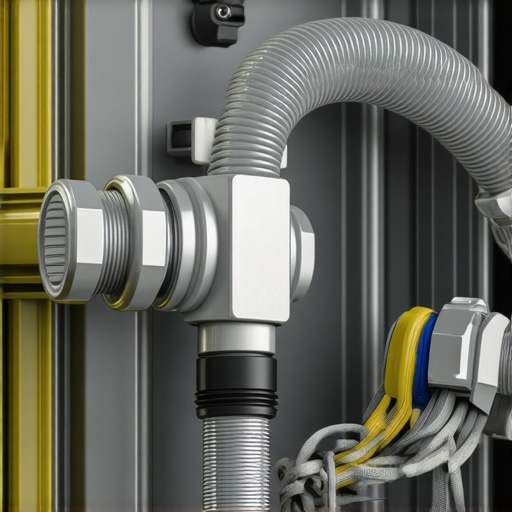
Ensure all connections are tight and use corrosion-resistant fittings to prevent leaks. Think of fittings as the joints in a plumbing puzzle—poorly secured, they become the weak spots for drips or floods. During my project, I upgraded to brass fittings instead of cheaper plastic ones, which proved vital in avoiding eventual leaks that could have voided my warranty. For a comprehensive list of essential install parts, see here.
Implement an Air Gap or High Loop to Prevent Backflow
Installing an air gap device or wrapping the drain hose in a high loop ensures water can’t siphon back into the dishwasher, protecting your investment. It’s like installing a one-way valve—allowing water to drain out while preventing contaminated water from re-entering. I added a visible air gap with a brass connector, which gave me peace of mind and kept my warranty intact, especially during the 2026 updates emphasizing backflow prevention. For specific parts, check this resource.
Test Your Setup Before Finalizing
Before sealing everything in, run a test cycle to verify proper drainage and check for leaks. Use a bucket or towel beneath connections to catch any drips. During my test, I observed that the drain water exited smoothly without siphoning back, confirming my drain loop was correctly positioned. This simple step can save you from costly repairs later and ensure your warranty remains valid. Learn more about troubleshooting at this page.
Keep Documentation and Visual Proof
Photograph your installation from multiple angles, focusing on drain height and fittings. These images serve as evidence if warranty disputes arise. I kept detailed photos and receipts, which proved invaluable when my warranty was questioned after an unrelated malfunction. For guidance on maintaining warranty compliance, see this article.
Are Parts Always the Issue, or Is Something Deeper at Play?
Many assume that upgrading or replacing parts is the ultimate solution to dishwasher problems and warranty claims. While choosing quality components is indeed critical, the real nuance lies in understanding how these parts interact within the system. For example, a high-quality inlet valve can fail prematurely if installed without considering the water pressure or pipe connections—it’s not just about parts, but how they fit into the larger installation process. According to experts at Understanding Dishwasher Parts, proper integration and installation are just as vital as the parts themselves.
Myth Busting: Many believe that warranty coverage is straightforward—plug in the part, and you’re protected. In reality, warranties often require adherence to specific installation protocols, correct parts selection, and detailed documentation. A mismatch between parts and the system can void your warranty, even if the part is brand new and supposedly compatible. For instance, reusing old hoses or fittings may appear cost-effective but can lead to leaks and warranty denial, which is why consulting this guide can safeguard your claim.
What Are the Common Advanced Mistakes That Even Experienced DIYers Overlook?
One subtle yet crucial mistake involves ignoring the significance of correct drain loop height. Many installers, assuming that a standard setup suffices, neglect to elevate the drain hose adequately. This oversight can cause siphoning issues leading to backflow and hidden leaks—silent problems that damage your floor and void warranties. The 2026 Smart Warranty Guidelines emphasize the importance of proper drain loop positioning, yet it remains one of the most overlooked details. Unaddressed, it can escalate into costly repairs, so it’s vital to verify this step thoroughly during installation.
Furthermore, advanced installers know that not all fittings are created equal. Using corrosion-resistant, UL-listed fittings and ensuring tight seals can prevent leaks that are often blamed on ‘bad parts’ but are actually installation errors. The difference between a quick fix and a warranty-verified setup can hinge on such small but critical details—something I’ve seen many overlook, leading to unnecessary warranty disputes. For a detailed explanation, check this resource.
Finally, advanced practitioners test their system meticulously—running multiple cycles, inspecting all connections, and documenting the setup with photos and videos. This step can be the difference between a warranty claim that holds up and one that is denied due to inadequate evidence. The importance of this is underscored in warranty documentation tips.
In essence, the secret isn’t solely in the parts you choose but in understanding the interactions, installation nuances, and future-proofing your setup. The devil is in the details—miss them, and even the best parts won’t save you from problems. Have you ever fallen into this trap? Let me know in the comments and share your experiences. For comprehensive insights, explore this guide.
Maintaining your dishwasher’s performance over time demands a combination of precise tools and disciplined routines. Personally, I rely on a few specialized pieces of equipment that ensure both efficiency and accuracy. One essential tool is a digital multimeter; I use a high-accuracy Fluke model because it helps me verify electrical continuity and voltage levels in control boards and sensors, preventing misdiagnoses. A digital caliper is invaluable for measuring tight fits and ensuring gasket tolerances are within spec, which I find crucial during every replacement to avoid leaks and warranty issues. Additionally, I prefer a silicone-based lubricant like Super Lube for ensuring moving parts, such as spray arms and hinges, stay lubricated without attracting debris.
Software-wise, I utilize diagnostic apps that connect to newer dishwashers with smart features. These apps allow me to read error codes remotely, log system performance, and identify anomalies before they turn into costly breakdowns. Regularly updating firmware, when applicable, keeps the system optimized for new features and bug fixes. As technology advances, I predict a trend toward AI-driven diagnostics that will predict failures before they happen, shifting maintenance from reactive to proactive.
How can I keep my dishwasher running smoothly for years?
Establishing a routine maintenance schedule involving both tools and inspections is essential. Regularly checking inlet valves with a multimeter, inspecting gaskets with calipers, and cleaning filters prevent common issues. I recommend inspecting parts listed in this guide at least every six months. Pair these checks with software diagnostics if your dishwasher supports remote monitoring. Doing so will catch issues early, extend warranty coverage, and keep your appliance performing optimally. Furthermore, keep spare parts like high-quality drain hoses and gaskets on hand, so you can swap them out before minor leaks become major repairs. Proper storage and labeling of replacement parts also streamline ongoing upkeep and avoid mistakes during replacements.
Looking ahead, integrating IoT sensors that monitor water pressure, temperature, and vibration could revolutionize dishwasher maintenance, providing real-time alerts for issues before they cause damage. Manufacturers are starting to embed predictive analytics into their systems, meaning future models might suggest specific maintenance tasks tailored to your appliance’s usage patterns.
To get the most out of your dishwasher, I advise adopting these proactive habits now. For example, regularly testing sensors using specialized calibration techniques, as discussed in this resource, can ensure that your system detects issues early and respects warranty protocols. Give this calibration a try this month to see how small adjustments can improve system responsiveness and longevity, ultimately saving you time and money across the lifespan of your appliance.
Lessons I Didn’t Expect Dishwasher Installments to Teach Me
It turns out that the smallest overlooked detail—like the height of your drain loop—can spell the difference between a happy warranty and a flooded kitchen. I learned this the hard way when my initial installation allowed backflow, causing silent damage that threatened to void my coverage. Now, I always double-check that critical height and secure fittings, realizing that every part’s position matters more than I thought. Trust me, these lessons are worth their weight in saved repairs and peace of mind.
Another insight came from realizing how often DIYers focus on the visible aspects but ignore the importance of documenting their setup. Photos of drain heights, fittings, and part serial numbers have become my armor in warranty disputes. This habit, born from experience, helps me defend my choices and ensures I stay covered—even if a component fails unexpectedly. Don’t underestimate this simple step; it’s your safety net.
Finally, the biggest lesson was the importance of proactive testing. Running a test cycle before sealing everything up often reveals leaks or siphoning issues that could lead to damage later. I now dedicate time to these checks, using towels and inspection ports to confirm proper drainage. This extra step saves me from future headaches and keeps my warranty intact, reinforcing that thoroughness trumps shortcuts every time.
Tools and Guides That Keep My Dishwasher Running Like Clockwork
My go-to resource is this comprehensive guide. It’s invaluable for understanding how proper parts selection influences warranty coverage and long-term performance. I also rely on a high-quality digital multimeter; it’s essential for verifying electrical components and preventing failures that could void my warranty. For measuring tight fits and ensuring gasket integrity, my digital caliper has become a staple—saving me guesswork and potential leaks.
Additionally, I keep a detailed photo log of my installation process, referencing this visual proof method whenever needed. And for parts, this calibration guide helps me optimize my system’s sensors, ensuring reliability and warranty compliance. These tools and resources create a robust safety net against future issues.
Keep Your Dishwasher in Top Shape and Your Warranties Valid
Your next step is to embrace a routine that combines practical checks with clean documentation. Regularly inspecting inlet valves, gaskets, and fittings ensures everything remains in optimal condition. Pair this with diagnostic apps for remote system health monitoring—these technologies are trending towards predictive maintenance, which could further revolutionize home appliance care.
Imagine catching a failing component early because your smart system alerted you—saving money and avoiding warranty denials. Always store receipts, calibration records, and detailed photos of your installation process. These efforts demonstrate your proactive commitment to proper setup, which is often a requirement for warranty claims, especially with the upcoming 2026 standards.
Looking ahead, IoT-driven diagnostics and AI-powered sensors promise to make appliance maintenance more intuitive and fail-proof. Starting now with basic checks, precise part selection, and diligent record-keeping sets you on a path to a longer-lasting, trouble-free dishwasher experience. Why not give these tips a try and share your results? Have you ever faced challenges with drain loops or warranty claims? Let me know below and keep your dishwasher performing at its best.
Related Posts
The Correct Way to Route Electrical Lines Through Cabinets
I remember the first time I tried installing a dishwasher…
The drain hose trick that stops sink water from backflowing
It happened to me just last week. I was finally…
How to Calibrate Your Machine for High-Altitude Installations
I still remember the first week I moved into my…
Comments are closed.