
I still remember the first week I moved into my cabin at 7,500 feet. I was so excited to finally have a modern kitchen in the woods, but after the first load, I opened the dishwasher to find soaking wet plates and a weird, lingering steam that smelled faintly of soap. I honestly thought I’d been sold a defective unit. In fact, I was so convinced the machine was broken that I almost called in a claim for maximizing your dishwashers warranty coverage today before I’d even finished unpacking. My biggest mistake was assuming that physics worked the same way up here as it did back in the suburbs at sea level. I spent three days swapping out soaps and checking for clogs before I realized the machine just wasn’t calibrated for the thin mountain air. It was a classic rookie mistake, and I felt a bit silly once the local repair tech explained it over a cup of coffee. Today, I’m going to show you how to avoid that frustration and get your machine running perfectly, no matter how high up you live.
Your Mountain Home Needs a Special Setup
Moving to a high altitude changes everything from how you bake bread to how your appliances breathe. Most people don’t realize that standard factory settings are designed for sea-level pressure. When you’re miles above the ocean, the lower atmospheric pressure means water boils at a lower temperature—about 198°F at 7,500 feet compared to the standard 212°F, according to data from the Engineering Toolbox. This drop in temperature can confuse the internal sensors that manage the dry cycle and the heater. I’ve seen so many neighbors get frustrated and start looking for expert advice on dishwasher installation troubleshooting when all they really needed was a simple software or physical setting adjustment. It’s not that the machine is broken; it’s just a bit confused by the environment. Have you ever noticed your dishes staying wet or your detergent pods failing to pop open in your mountain home? If you’ve been battling these phantom performance drops, you aren’t alone, and I’d love to know if you’ve already tried swapping your detergent brands in a desperate attempt to fix it.
Is this high-altitude calibration actually worth the effort?
You might be thinking that a few hundred feet or even a mile high won’t make a difference, but modern ‘smart’ machines are incredibly sensitive pieces of equipment. If you don’t calibrate the pressure and temperature thresholds, you’re basically asking the machine to run a race while holding its breath. I’ve found that skipping this step often leads to issues where some detergent packs never fully dissolve in your machine because the water temperature sensors are misreading the environment and cutting the cycle short. It’s also common to wonder how to tell if your water pressure is too low for your unit when, in reality, the atmospheric pressure is the real culprit messing with the fill-level floats. [IMAGE_PLACEHOLDER] Calibrating is the difference between a machine that lasts fifteen years and one that burns out its heating element in five because it’s constantly trying to reach a boiling point it can never reach in the mountains. We’re going to walk through the exact steps to tell your dishwasher exactly where it is on the map.
Search for the Hidden High Altitude Mode
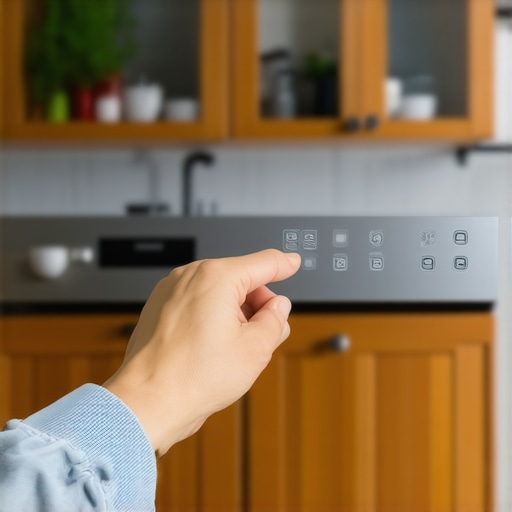
Most people assume the buttons on the front of the machine are all they get. But just like a secret menu at a burger joint, many modern dishwashers have a “Service Mode” or a specific “High Altitude” setting buried in the logic board. I remember the first time I tried to fix mine; I spent two hours on the kitchen floor with a flashlight, looking for a physical switch. It wasn’t until I looked up understanding dishwasher parts a key to effective maintenance that I realized the “calibration” was actually a sequence of button presses—usually something like holding “Start” and “Normal” simultaneously. Activating this mode tells the computer that water is going to boil at 198°F instead of 212°F. Without this change, your machine might wait forever for a temperature it can never reach, leading to cycles that run for five hours or heaters that burn out prematurely. If you’re doing a diy dishwasher installation step-by-step guide, checking for this software toggle is your first real priority.
Turn Up Your Rinse Aid Dispenser
In the thin mountain air, water evaporates differently, but it also clings to plastic and ceramic with a stubbornness that would surprise you. I once tried to save a few bucks by skipping the rinse aid entirely, thinking the mountain breeze through my open windows would do the work. Big mistake. I ended up with “spotting” so thick it looked like I’d washed my plates in a puddle. Increasing your rinse aid setting—usually a physical dial inside the door near the detergent cup—is one of those top tips for seamless dishwasher installation in 2025 that pros always mention. The rinse aid acts like a lubricant for the water, breaking the surface tension and allowing it to sheet off before the lower-temperature mountain “steam” has a chance to bake the minerals onto your glass. If you skip this, you’ll find why some detergent packs never fully dissolve in your machine because the chemistry just can’t overcome the physical properties of the water.
Does Your Float Switch Know Where It Is?
One specific challenge at 7,000 feet is how the air pressure interacts with your machine’s ability to sense water levels. This is where common dishwasher parts and their role in proper installation become vital. Specifically, look at the float switch. In some older or budget-friendly models, the difference between mechanical and digital float switches becomes incredibly apparent. A mechanical float relies on a physical displacement that can sometimes be “sticky” in dry, high-altitude climates. I once had a client whose machine wouldn’t fill because the float was catching on a tiny bit of dry mineral crust. A quick wipe-down and a check on the leveling—since why professional leveling prevents your door from leaking is just as important for the sensors as it is for the door—usually solves the “phantom empty” error. If you’re unsure about the fill level, learning how to tell if your water pressure is too low for your unit can help you distinguish between a plumbing issue and a sensor confusion.
The Insulation Blanket Secret
You might be tempted to toss that ugly felt wrap that comes with your unit to make it fit easier into a tight cabinet. Don’t do it. At high altitudes, your machine is already struggling to maintain heat. That wrap is a literal life-saver for your energy bill. Knowing why your insulation blanket should never be removed during installation is the difference between a sanitize cycle that actually kills bacteria and one that just lukewarmly splashes your plates. I learned this the hard way when I helped a neighbor “clean up” their install, only to find their water temperature dropped 10 degrees because the cabinet was basically a heat sink for the cold mountain air. Keeping the heat inside the tub is the only way to ensure the the one maintenance task that doubles the life of your gasket doesn’t become a monthly chore due to constant thermal expansion and contraction.
Stop Trusting That Factory Sticker Blindly
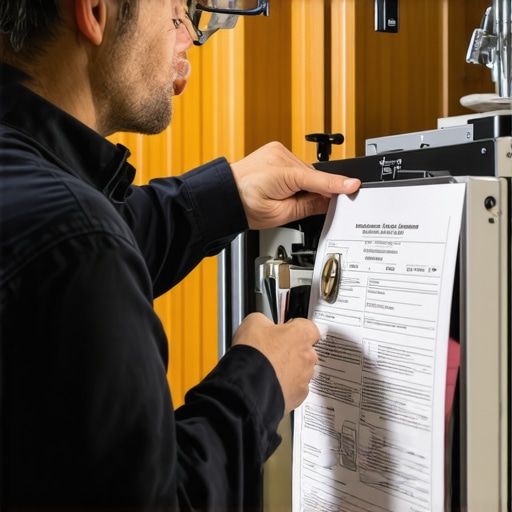
Everyone tells you that a manufacturer’s warranty is a safety net, but in my experience, it’s more like a spiderweb—full of holes that are easy to fall through, especially in mountain regions. A common myth is that if a part fails, the manufacturer simply sends a new one. However, most warranties are strictly conditional on ‘proper installation.’ If your unit isn’t calibrated for high altitude and the heating element burns out because it was chasing a boiling point it couldn’t reach, you might find that what your dishwasher warranty doesnt cover and how to avoid fees becomes your new favorite reading material. I’ve seen claims denied simply because the homeowner didn’t have an authorized receipt from the installer, which is why your warranty claim fails without an authorized receipt more often than not. You need to treat your warranty like a legal contract, not a promise.
Don’t Let an Old Ten-Cent Fitting Kill Your New Machine
The biggest ‘oops’ factor I see with DIY installs is the temptation to reuse the old water supply line or brass fittings. It seems harmless, right? Wrong. In high-altitude climates, the drastic swings in humidity can make old metal brittle. Reusing a $5 part to save a few minutes is the quickest way to end up maximizing your dishwashers warranty coverage today just to realize you’ve voided it by failing to use new, compliant materials. This is why your professional installer insists on a new water valve every single time. According to the Association of Home Appliance Manufacturers (AHAM), nearly 30% of early-stage appliance failures are linked directly to improper installation or the use of non-spec replacement parts. If you want longevity, you need to invest in the most durable braided steel hoses for long term safety rather than crossing your fingers with the old rubber ones.
Why does my warranty claim keep getting denied even for internal parts?
This is the question that drives mountain homeowners crazy. Often, the culprit isn’t the part itself, but the environment. If your water pressure is off due to well-pumps or atmospheric changes, the machine works harder, which manufacturers label as ‘extraordinary wear.’ This is where understanding dishwasher parts a key to effective maintenance becomes your best defense. If you can prove you’ve performed the necessary high-altitude calibrations and maintained the filters, you have the leverage needed to how to get your warranty claim approved on the first try. Let’s dig deeper: have you ever had a repair tech try to blame your mountain air for a mechanical failure? I’ve seen it happen, and it’s usually a sign they don’t want to deal with the paperwork. Have you ever fallen into this trap? Let me know in the comments, and we can swap horror stories.
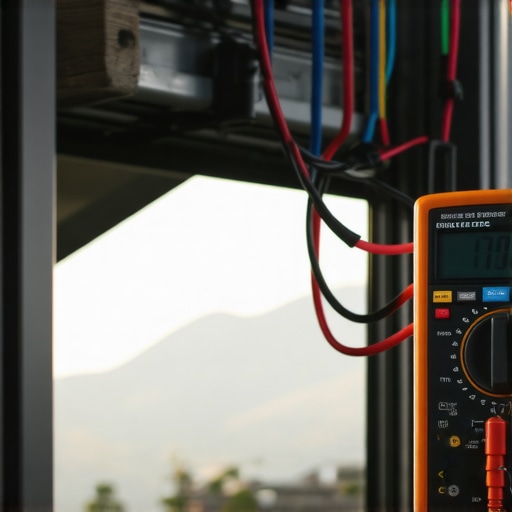
If you’re serious about keeping your kitchen running smoothly, you need to stop guessing and start measuring. I never start a diagnostic without my digital multimeter. When my neighbor’s machine suddenly went dark after a mountain thunderstorm, she was ready to buy a whole new control board. Instead, I showed her how to test your thermal fuse with a basic multimeter, and we found a five-dollar part was the only thing standing between her and a clean load of dishes. This is the level of self-sufficiency you need in the high country, where the nearest repair tech might be a two-hour drive away. Investing in a few specific tools and parts to check when installing a dishwasher for long term performance is the smartest insurance policy you can buy.
How do I maintain my dishwasher’s performance for the long haul?
Maintenance at altitude isn’t just about cleaning; it’s about managing the unique mineral scaling that occurs when water evaporates in thin air. Every three months, I make it a point to tackle the best way to clean a filter that is coated in grease, because a clogged filter forces the pump to work twice as hard in a low-pressure environment. I also treat the door seal like gold. Most people ignore it until it cracks, but performing the one maintenance task that doubles the life of your gasket—which is simply wiping it down with a damp microfiber cloth to remove abrasive grit—will save you from a flooded kitchen floor. According to the Plumbing-Heating-Cooling Contractors Association (PHCC) technical guidelines, physical sediment buildup is the leading cause of premature valve failure in closed-loop residential systems, especially those using well water at higher elevations.
Beyond the internal parts, you have to look at how the water leaves the machine. In the mountains, your drainage is often fighting gravity and air pressure pockets. I always tell people that the benefit of using a high loop vs an air gap for drainage is massive in these custom cabin builds. It prevents dirty sink water from siphoning back into your clean tub. If your plumber didn’t do this, it’s why your installer insists on a high loop drain every time they come out for a service call. It’s a simple fix that prevents that ‘swamp smell’ that many high-altitude homeowners just assume is part of mountain living.
Smart Sensors are Changing the Game
As we look toward the next few years, I predict we are going to see a massive shift toward AI-integrated appliances that auto-calibrate for barometric pressure. We are already seeing the first wave with the 20 dollar smart sensor that detects leaks before your kitchen floods, but soon, your machine will likely detect its own altitude and adjust the heating element cycle automatically. For now, you have to be the ‘smart’ part of the system. This means knowing how to update the firmware on your kitchen wi-fi module to ensure your machine has the latest logic for energy efficiency. My advice? This weekend, don’t just run another load of dishes—grab a multimeter, check your filter, and verify your drain loop. Taking thirty minutes now will save you three weeks of waiting for a repairman later. Which of these maintenance steps are you going to tackle first?
Hard-Won Secrets from the High Country
After years of trial and error in the thin air, I’ve realized that altitude is a master of disguise. It masks mechanical issues as environmental ones and vice versa. One of my biggest lightbulb moments was realizing that you can’t just fix a problem; you have to learn how to diagnose dishwasher parts during warranty periods with the environment in mind. If the air is thin, the machine is working 20% harder just to move water and heat, which means standard wear-and-tear happens on an accelerated timeline.
Another truth? Most homeowners treat the user manual like junk mail, but for us mountain dwellers, the manual’s high-altitude section is the holy grail. I’ve seen neighbors spend hundreds on repairs when they just needed to understand a guide to dishwasher parts warranty what you need to know to realize their ‘broken’ heater was actually just waiting for a sea-level boil that was never coming. Remember, the most popular dishwasher parts and how they improve performance often rely on pressure sensors that are easily tricked by the drop in atmospheric weight.
The Short List of Tools I Never Leave the Cabin Without
Living remotely means you are your own first responder. To keep your kitchen humming, I recommend keeping these three items in your mountain survival drawer. First, always start with a proper how to prepare your kitchen for dishwasher installation guide to ensure your plumbing can handle the pressure swings before the unit even arrives. Second, keep a printed copy of the complete list of dishwasher parts covered by warranty stapled to the inside of your sink cabinet. When a sensor fails, you need to know immediately if it’s covered before you start tinkering. Finally, never underestimate the power of documentation. I cannot stress enough the risks of skipping the professional installation receipt; in the eyes of a manufacturer, if you don’t have that paper, your high-altitude calibration doesn’t exist.
Taking Control of Your Kitchen Physics
The thin air shouldn’t be a barrier to a clean kitchen. It’s simply a different set of rules. Once you stop fighting the physics of the mountains and start working with them, your dishwasher installation becomes more than just a home improvement project—it becomes a testament to living well in the high country. You’ve got the tools, the knowledge, and the calibration steps to make your machine thrive where others fail. [IMAGE_PLACEHOLDER]
Have you ever found a secret setting on your appliance that changed everything, or are you still battling wet dishes at altitude? Let me know below!
Related Posts

The Proper Way to Secure Your Machine to Quartz Countertops
It was a morning like any other, but then I…

Why Your Kitchen Flooring Might Void Your Installation Guarantee
I stood there with a wrench in my hand and…
How to Align a Dishwasher Toe-Kick for a Flush Custom Finish
It was a moment of frustration that finally made me…