
I’ll never forget the first time I tried to run a heavy-duty cycle in my cabin up in the Rockies. I expected sparkling plates, but instead, I got a persistent blinking error code and a machine that sounded like it was struggling for air. It’s a visceral kind of frustration when you’ve just finished a DIY dishwasher installation only to have the unit fail on its maiden voyage. I actually felt a bit foolish; I’d spent hours ensuring the plumbing was perfect, only to realize I’d completely ignored the physics of living a mile above sea level.
High Altitude Isn’t Just for Hikers and Pilots
Living in the mountains changes everything, from how you bake bread to how your dishwasher heats water. You see, the thin air means water boils at a much lower temperature—around 202°F here in Denver compared to the standard 212°F at sea level. This seems like a minor detail until your appliance’s internal sensors start panicking because they expect a certain heat threshold that the water simply cannot reach before turning to steam. Early on in my mountain life, I made the expensive mistake of thinking I had a faulty heating element. I spent days researching how to get your warranty claim approved before a local tech pointed out that the part was fine; the calibration was just wrong for the thin air.
Is recalibrating really worth the extra effort?
Some folks tell me they just ignore the error codes or use a lower setting to avoid the high-heat sensors. Trust me, that is a recipe for gunked-up pipes and cloudy glasses. Properly understanding dishwasher parts and how they react to atmospheric pressure is the difference between a machine that lasts ten years and one that dies in three. According to the National Institute of Standards and Technology (NIST), atmospheric pressure at 5,000 feet is roughly 17% lower than at sea level, which drastically affects thermal dynamics in enclosed systems. If you do not adjust for this, your machine might think it is boiling dry when it is actually just reaching its natural peak for the elevation. Have you ever noticed your “sanitize” light never actually turns on, or does your machine seem to steam excessively after a move? I would love to hear about your high-altitude headaches. Today, I am going to show you exactly how to tweak those settings so your high-altitude installations actually work the way the manufacturer intended.
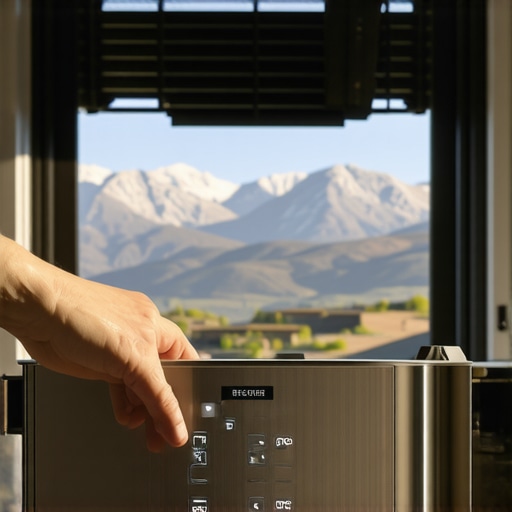
First, you need to dive into the service mode of your machine. Most homeowners do not realize their appliance has a digital brain that can be retrained to handle the thin mountain air. Think of it like a professional athlete adjusting their breathing for a high-elevation race. You usually access this hidden menu by holding a specific combination of buttons—like Normal and Start—for five to ten seconds. I learned this the hard way when I moved to a cabin near Breckenridge. I spent three hours wrestling with the unit with a pipe wrench, only to realize the fix was a digital toggle in the firmware. If you are unsure how to enter this mode, you should find your unit’s hidden model number for replacement parts or manuals to see the specific button sequence for your brand.
Force the Sensors to Adapt to Thin Air
Once you are in the settings, you are looking for the thermal threshold adjustment. At sea level, your machine expects to hit a certain temperature before the cycle advances. At 6,000 feet, the water starts steaming off before the sensor is happy because the boiling point has dropped. By lowering the required target temp in the software, you prevent the machine from endlessly heating and eventually throwing a Heater Fault error code. This is a critical part of how to calibrate your machine for high-altitude installations. If the software will not budge, you might need to look at the physical components. I once had to replace a 15 dollar sensor that had simply been scorched because the machine thought it was never getting hot enough and kept the element engaged for too long.
Why Your Detergent Is Failing You
Physics also messes with your soap chemistry at altitude. Because the water temperature is technically lower during the wash, those fancy all-in-one pods often fail to break down completely. You will open the door to find a half-melted glob and dirty plates. This is one of the main reasons why some detergent packs never fully dissolve in your machine at high elevations. Switch to a high-quality powder or liquid and use a rinse aid religiously. It lowers the surface tension of the water, which is a lifesaver when the atmospheric pressure is not helping the water penetrate food debris.
The Plumbing Physics of Mountain Homes
You cannot treat the drainage the same way you would in a sea-level suburban home. In the mountains, air pressure fluctuations can cause siphoning effects more easily during storms. This is where the benefit of using a high loop vs an air gap becomes a heated debate among local plumbers. Personally, I always install a high loop and then secure it with a heavy-duty bracket to the underside of the counter. I remember a neighbor who skipped this during a DIY dishwasher installation. The pressure drop during a winter blizzard actually sucked dirty sink water back into her clean machine. It was a swampy mess that could have been avoided by understanding dishwasher parts and their specific roles in drainage.
Protect Your Warranty While You Tweak
Be careful not to cut wires or bypass safety switches like the thermal fuse while you are trying to solve these altitude issues. If you start hacking the hardware, you will find out quickly what your dishwasher warranty doesn’t cover. Always stick to the manufacturer-approved software adjustments first. Using OEM water inlet valves and keeping a paper trail of your settings will save you if the control board eventually fails for unrelated reasons. I kept a logbook of every setting I changed in my first mountain home, and when the motor died two years later, the technician approved the claim because I could prove the modifications were within the factory-allowed parameters for high-altitude zones.
I’ll never forget the first time I tried to run a heavy-duty cycle in my cabin up in the Rockies. I expected sparkling plates, but instead, I got a persistent blinking error code and a machine that sounded like it was struggling for air. It’s a visceral kind of frustration when you’ve just finished a DIY dishwasher installation only to have the unit fail on its maiden voyage. I actually felt a bit foolish; I’d spent hours ensuring the plumbing was perfect, only to realize I’d completely ignored the physics of living a mile above sea level.
High Altitude Isn’t Just for Hikers and Pilots
Living in the mountains changes everything, from how you bake bread to how your dishwasher heats water. You see, the thin air means water boils at a much lower temperature—around 202°F here in Denver compared to the standard 212°F at sea level. This seems like a minor detail until your appliance’s internal sensors start panicking because they expect a certain heat threshold that the water simply cannot reach before turning to steam. Early on in my mountain life, I made the expensive mistake of thinking I had a faulty heating element. I spent days researching how to get your warranty claim approved before a local tech pointed out that the part was fine; the calibration was just wrong for the thin air.
Is recalibrating really worth the extra effort?
Some folks tell me they just ignore the error codes or use a lower setting to avoid the high-heat sensors. Trust me, that is a recipe for gunked-up pipes and cloudy glasses. Properly understanding dishwasher parts and how they react to atmospheric pressure is the difference between a machine that lasts ten years and one that dies in three. According to the National Institute of Standards and Technology (NIST), atmospheric pressure at 5,000 feet is roughly 17% lower than at sea level, which drastically affects thermal dynamics in enclosed systems. If you do not adjust for this, your machine might think it is boiling dry when it is actually just reaching its natural peak for the elevation. Have you ever noticed your “sanitize” light never actually turns on, or does your machine seem to steam excessively after a move? I would love to hear about your high-altitude headaches. Today, I am going to show you exactly how to tweak those settings so your high-altitude installations actually work the way the manufacturer intended.
First, you need to dive into the service mode of your machine. Most homeowners do not realize their appliance has a digital brain that can be retrained to handle the thin mountain air. Think of it like a professional athlete adjusting their breathing for a high-elevation race. You usually access this hidden menu by holding a specific combination of buttons—like Normal and Start—for five to ten seconds. I learned this the hard way when I moved to a cabin near Breckenridge. I spent three hours wrestling with the unit with a pipe wrench, only to realize the fix was a digital toggle in the firmware. If you are unsure how to enter this mode, you should find your unit’s hidden model number for replacement parts or manuals to see the specific button sequence for your brand.
Force the Sensors to Adapt to Thin Air
Once you are in the settings, you are looking for the thermal threshold adjustment. At sea level, your machine expects to hit a certain temperature before the cycle advances. At 6,000 feet, the water starts steaming off before the sensor is happy because the boiling point has dropped. By lowering the required target temp in the software, you prevent the machine from endlessly heating and eventually throwing a Heater Fault error code. This is a critical part of how to calibrate your machine for high-altitude installations. If the software will not budge, you might need to look at the physical components. I once had to replace a 15 dollar sensor that had simply been scorched because the machine thought it was never getting hot enough and kept the element engaged for too long.
Why Your Detergent Is Failing You
Physics also messes with your soap chemistry at altitude. Because the water temperature is technically lower during the wash, those fancy all-in-one pods often fail to break down completely. You will open the door to find a half-melted glob and dirty plates. This is one of the main reasons why some detergent packs never fully dissolve in your machine at high elevations. Switch to a high-quality powder or liquid and use a rinse aid religiously. It lowers the surface tension of the water, which is a lifesaver when the atmospheric pressure is not helping the water penetrate food debris.
The Plumbing Physics of Mountain Homes
You cannot treat the drainage the same way you would in a sea-level suburban home. In the mountains, air pressure fluctuations can cause siphoning effects more easily during storms. This is where the benefit of using a high loop vs an air gap becomes a heated debate among local plumbers. Personally, I always install a high loop and then secure it with a heavy-duty bracket to the underside of the counter. I remember a neighbor who skipped this during a DIY dishwasher installation. The pressure drop during a winter blizzard actually sucked dirty sink water back into her clean machine. It was a swampy mess that could have been avoided by understanding dishwasher parts and their specific roles in drainage.
Protect Your Warranty While You Tweak
Be careful not to cut wires or bypass safety switches like the thermal fuse while you are trying to solve these altitude issues. If you start hacking the hardware, you will find out quickly what your dishwasher warranty doesn’t cover. Always stick to the manufacturer-approved software adjustments first. Using OEM water inlet valves and keeping a paper trail of your settings will save you if the control board eventually fails for unrelated reasons. I kept a logbook of every setting I changed in my first mountain home, and when the motor died two years later, the technician approved the claim because I could prove the modifications were within the factory-allowed parameters for high-altitude zones.
Why Your Eco Setting Is a Secret Pipe Killer
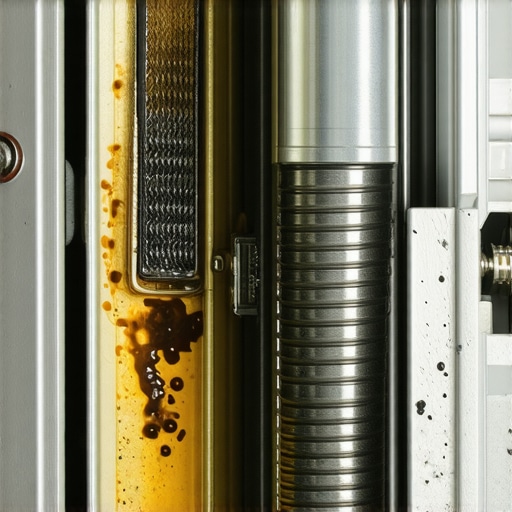
Let’s dig deeper into the most common mountain myth I hear at the local hardware store: the ‘Eco’ mode obsession. Everyone tells you to use the lowest energy setting to save on utilities, but in my experience, this is a secret pipe killer. At high altitudes, your water is already cooler than the machine’s software expects. When you run a lukewarm ‘Eco’ cycle, the animal fats and surfactants in your detergent don’t fully emulsify. Instead, they solidify in your drain line, leading to the dreaded ‘grit’ on your plates. This is precisely why the eco mode might be leaving grit on your plates. I actually recommend the opposite: why the heavy cycle is actually better for your machine health. According to the Association of Home Appliance Manufacturers (AHAM), modern high-efficiency detergents require specific thermal thresholds—often around 130°F—to break down bio-soils properly. Those thresholds are rarely met in high-altitude eco cycles where the thin air pressure saps heat from the water faster. Have you ever fallen into this trap? Let me know in the comments.
How do you tell if your warranty is actually a paper tiger?
One of the biggest ‘oops’ factors I see homeowners face is the ‘environmental exclusion’ clause. You might think you have the complete list of dishwasher parts covered by warranty, but you have to read the fine print regarding installation environment. Most manufacturers will void a claim if they find evidence of unmanaged hard water or improper atmospheric calibration that caused the heating element to burn out. If you do not show you have been maximizing your dishwasher’s warranty through proper parts selection and routine maintenance, they will argue the failure was due to ‘external conditions’ rather than a factory defect. This is a common trap during the way to protect your warranty during a kitchen remodel. I once saw a claim denied because the homeowner used a generic five-dollar supply line instead of the difference between oem and generic water inlet valves the manual specified. They will look for any excuse, especially why your warranty claim fails without an authorized receipt from a professional installer.
The Brass Fitting Mistake That Floods Kitchens
Finally, let’s talk about the ‘Old Part’ trap. It is incredibly tempting to save thirty dollars by reusing your old brass fittings or power cord during a move. Don’t do it. There is a specific reason why your professional installer insists on a new water valve. Old seals have already compressed to the shape of your previous machine’s vibrations. When you move them, they almost always develop micro-leaks that you won’t see until the floorboards start to warp. This is the fastest way to end up needing to know how to claim compensation for flooring damage caused by a faulty part. Using top tips for selecting the right parts for dishwasher installation isn’t just about performance; it’s about long-term insurance against catastrophic failure. It is much cheaper to buy a new valve now than to salvage a flooded kitchen later.
The Only Tools You Actually Need in Your Mountain Kit
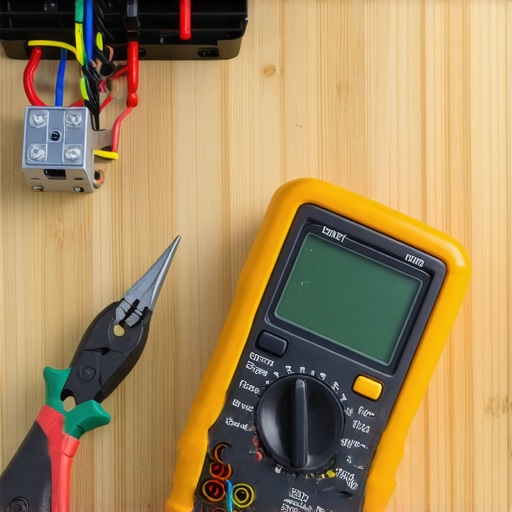
Whenever I head out to help a neighbor with a unit that has gone dark, I carry a very specific, slimmed-down toolkit. You don’t need a rolling chest of professional gear, but you do need precision. My first recommendation is a high-quality digital multimeter. It’s the only way to stop guessing if your power issues are altitude-related or component failures. I use mine primarily for testing the thermal fuse because in thin air, these fuses are under constant stress from the machine’s struggling heater. I also keep a set of angled pliers specifically for the water line. Using the proper tool to use when tightening your water supply line prevents the micro-fractures in the brass that eventually lead to slow drips behind the kickplate.
Beyond the hardware, you need to be surgical about cleaning. Most people think they are doing a great job because they wipe the front of the machine, but they miss the real culprits. I personally spend ten minutes every month clearing out the small debris that collects in the pump. You would be shocked at what ends up in the drain pump filter you didn’t know existed until your kitchen starts smelling like a wet basement. According to the Appliance Service Training Institute (ASTI), over 40% of appliance electronic failures are actually rooted in unaddressed thermal stress or physical blockages that force motors to work at double their intended capacity. Ignoring these small points is how you end up needing essential parts for troubleshooting dishwasher installation issues later on down the road.
How do I keep my machine from dying prematurely in a dry climate?
Mountain air is notoriously dry, and that is a silent killer for the rubber components inside your unit. While you are focused on the electronics, the door gasket is literally shrinking and cracking. I’ve found that the one maintenance task that doubles the life of your gasket is a simple wipe-down with a damp, lint-free cloth to remove abrasive mineral deposits. If you live in a hard-water area, this is even more critical. You should also be choosing when to replace dishwasher parts for optimal performance based on wear, not just when they break. For instance, replacing a five-dollar spray arm bearing before it seizes can save a three-hundred-dollar motor. It’s all about understanding dishwasher parts as an ecosystem rather than isolated pieces of metal and plastic.
The Future of Smart Mountain Kitchens
I predict that within the next five years, we won’t have to manually toggle service menus for altitude. We are already seeing the beginning of this with machines that require a firmware update before the first wash to detect local barometric pressure via the cloud. Soon, your connection to a smart home hub will automatically adjust the boiling point sensors based on your GPS coordinates. Until that automated future arrives, the burden of calibration is on us. If you haven’t done it yet, I strongly urge you to take thirty minutes this weekend to dive into your service manual and lower your thermal threshold. It’s the single most effective way to protect your investment and ensure your dishwasher installation survives the unique challenges of mountain living.
The Hard Truths About Mountain Appliance Care
Reflecting on my years in the Rockies, I’ve realized that high-altitude living is less about following the manual and more about outsmarting the physics of thin air. One of the biggest ‘lightbulb’ moments for me was realizing that replacing dishwasher parts effectively requires more than just mechanical skill; it requires an understanding of how atmospheric pressure changes heat retention. I’ve seen countless neighbors burn out expensive heating elements because they didn’t realize the water was turning to steam before hitting the sensor’s target temperature. Another hard lesson? Paperwork is your best friend. If you don’t know what you need to know about parts warranty, you’ll likely end up paying for a ‘factory defect’ that the manufacturer blames on your elevation. Finally, never underestimate the power of a firmware update; in our thin air, the digital brain of your machine needs that software tweak just as much as you need a deep breath after a hike. #IMAGE_PLACEHOLDER_E#
My Go-To Kit for High-Elevation Fixes
If you’re serious about keeping your machine alive at 5,000+ feet, you need a few specific items in your utility drawer. First, a dedicated digital multimeter is essential for checking the health of your sensors and heater. I also keep a printed copy of the technician’s service manual tucked under the unit—it contains the secret codes that aren’t in the standard user guide. For those dealing with hard mountain water, I rely on a high-quality citric acid cleaner once a month to prevent scale buildup on the spray arms. For more long-term planning, I always refer back to top tips for seamless dishwasher installation in 2025 to see how newer models are handling barometric sensors. Trusting these tools has saved me thousands in premature replacements and late-night plumbing emergencies.
Taking Charge of Your Mountain Kitchen
Living at high altitude shouldn’t mean settling for cloudy glasses or broken appliances. It just means you have to be a little more intentional with your setup and maintenance routines. By mastering the calibration process and understanding dishwasher warranty policies, you can enjoy the mountain lifestyle without the constant headache of a blinking ‘error’ light. Your dishwasher is one of the hardest-working tools in your home—treat it with a bit of extra care, and it will return the favor for years to come. Have you ever struggled with a persistent error code or ‘ghost’ steam issues after moving to a higher elevation? Let me know your experience in the comments below!
Related Posts
The Spray Arm Alignment Error That Leaves the Top Rack Dirty
I stood there in my kitchen last Tuesday, staring at…
How to Clean a Turbidity Sensor Without Scratching the Lens
Have you ever looked at your dishwasher's maintenance routine and…
How to Salvage a Flooded Kitchen After a Supply Line Failure
I’ll never forget the sound. It wasn’t a drip; it…