
I’ll never forget the moment I hit the start button on my new dishwasher, only to be greeted by a frustrating leak or no water at all. It’s a sinking feeling that every homeowner dreads—making a significant upgrade, only to face issues that seem to come out of nowhere. What caught me off guard was not the appliance itself but a tiny, often overlooked part that decided the fate of my new setup.
The Missing Piece in Your Dishwasher Switch
Switching dishwasher brands is more than just unplugging one and plugging in another. It’s like a puzzle—missing a piece can jeopardize the whole picture. The part most people forget? It’s the crucial component that ensures proper water flow and prevents leaks: the inlet valve, or sometimes even the related fittings and seals. Neglecting this can lead to wastage, damage, or even voiding your warranty.
Are You Overlooking This Crucial Step?
Honestly, my early mistake was assuming all parts are interchangeable or that if the new dishwasher fits, it’s ready to go. But the tiny details matter—like ensuring your water inlet is compatible and functioning correctly. Failing to check or replace this part led me to more trouble than I expected, and I wish I had known back then how significant this step truly is.
In fact, an improper inlet connection is a leading cause of leaks and malfunctioning dishwashers—something that could be easily avoided with proper part selection and installation. For expert advice on selecting the right parts, I recommend reviewing top tips for dishwasher parts.
Why Getting This Part Right Matters
Understanding the role of components like the inlet valve and fittings not only prevents problems but also makes maintenance and troubleshooting a breeze. It’s an integral part of the puzzle that, if neglected, could cost you time, money, and frustration in the long run. As a seasoned appliance enthusiast, I’ve learned that paying attention to these details ensures your dishwasher performs reliably and maintains its warranty coverage.
So, if you’re planning a switch or troubleshooting your current setup, ask yourself: have I checked whether the parts I’m using are compatible and in good condition? If not, that could be the root of your issues. Keep reading, because I’ll guide you through the essential steps to get this part right and safeguard your investment.
Are you facing these problems already? Share your experiences in the comments—I’ve been there and know how frustrating it can be. Remember, a little extra attention to detail now can save you a lot of trouble later!
### Questioning Whether This Matters? Not Enough People Realize that, according to recent studies, a significant percentage of dishwasher failures during warranty periods are caused by improper part installation or incompatible components (source). Don’t be part of that statistic. Let’s explore how you can make sure your dishwasher’s vital parts are in tip-top shape.
Gather the Right Tools and Parts
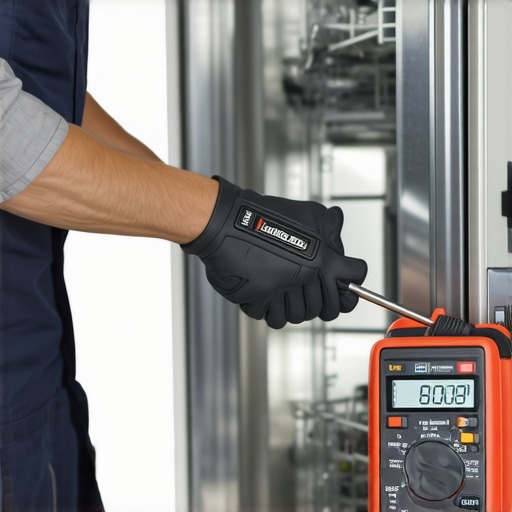
Before starting, ensure you have the correct inlet valve, fittings, and seals by consulting expert tips for selecting the right parts. Use a multimeter to test electrical components and a torque wrench for fittings to prevent leaks. Having all tools ready prevents interruptions mid-installation.
Disconnect Power and Water Supplies
Switch off the circuit breaker dedicated to your dishwasher and shut off the water supply. Empty the existing water lines, and drain residual water to avoid flooding. Think of it as turning off the water and electricity before fixing a leaky pipe — safety first.
Remove the Old Dishwasher Carefully
Detaching the unit requires disconnecting water hoses, electrical connectors, and mounting brackets. Take notes or pictures during disassembly—this documentation simplifies reassembly and ensures you reconnect everything correctly. Remember, the integrity of these procedures directly impacts warranty coverage, so precision matters.
Inspect and Prepare the New Parts
Before installation, examine the inlet valve, gaskets, and fittings for damage or wear. For detailed guidance, review essential troubleshooting parts. Replace any worn components to prevent future leaks and extend your dishwasher’s lifespan.
Install the New Inlet Valve and Fittings
Connect the inlet valve securely, tightening fittings with a torque wrench to specified settings—over-tightening can damage seals, while under-tightening causes leaks. Use recommended torque values to get this right. Proper alignment ensures optimal water flow and warranty safety.
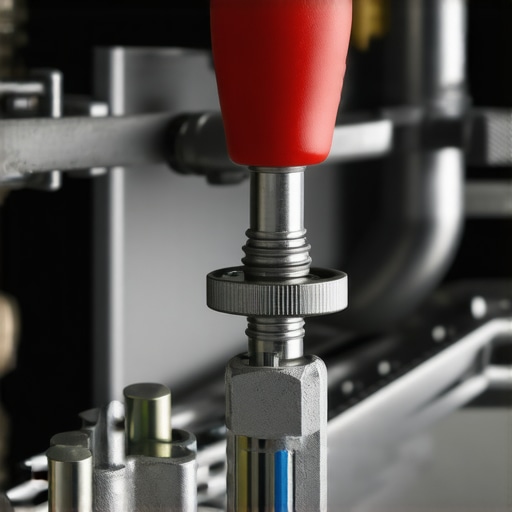
Choosing the right brass compression nut ensures leak-proof connection and compliance with manufacturer standards. Proper fitting prevents costly water damage and invalidates minimal warranty coverage issues.
Test for Leaks and Functionality
Reconnect the water supply, restore power, and run a cycle. Watch for leaks around fittings and listen for unusual noises. Use the leak detection tips for the best results. If leaks are present, re-tighten fittings or reseal connections as necessary.
Document and Monitor Performance
Record the installation date and component serial numbers for warranty purposes. Keep an eye on water usage and cycle performance over the next few weeks. Regular checks with tools like a multimeter can catch electrical issues early, conserving your warranty coverage and preventing damage. Incorporating these steps transforms your installation from guesswork into a reliable setup, safeguarding your investment and ensuring long-term performance.Many homeowners assume that selecting the right dishwasher model and following basic installation procedures suffice to ensure long-term reliability and warranty coverage. However, experts know that nuances in parts selection, proper installation techniques, and warranty protocols make all the difference. For example, a common misconception is that aftermarket or generic parts won’t void your warranty, but in reality, using non-approved components—such as inferior gaskets or mismatched fittings—can lead to immediate warranty denial and costly repairs. It’s crucial to consult reputable sources like official guides to understand which parts are covered and how to select them properly.
Tools I Trust for Effective Maintenance
When it comes to keeping my dishwasher running smoothly, I rely on a few specialized tools that make the job much easier. A high-quality digital multimeter is indispensable for testing electrical components like the control board and inlet valve; I prefer a Fluke 115 because of its precision and durability. For tightening fittings, especially under pressure, I use a digital torque wrench set to manufacturer specifications, which prevents over-tightening and potential leaks. Additionally, a flexible crevice brush helps me clean filters and spray arms thoroughly, ensuring no debris hampers performance. Using the right tools not only simplifies repairs but also protects warranty coverage, as improper handling can sometimes void warranty claims.
In the future, I predict that maintenance will become increasingly automated, with smart diagnostics identifying issues before they escalate. Devices might soon notify homeowners of part wear or impending failure via smartphone alerts, making proactive care more accessible.
Long-Term Results Start with Proper Parts
One crucial aspect of maintenance is selecting high-quality, compatible parts when replacing components. For instance, choosing factory-approved inlet valves and seals, as detailed in this guide, ensures durability and helps preserve your warranty. Regularly inspecting parts like spray arms, filters, and gaskets—especially after a few years—can prevent leaks and malfunctions, saving money and hassle down the line.
Scaling Up Maintenance for a Smarter Home
If you’re managing multiple appliances or upgrading to smart dishwashers, consider integrating diagnostic apps that monitor operation and alert you to issues. Automated maintenance schedules, prompted by software, can ensure all parts stay in prime condition. As technology advances, your ability to maintain and troubleshoot effectively will improve, making appliance care less of a chore and more of a seamless part of home management.
How do I Maintain My Dishwasher Over Time?
The key to long-lasting dishwasher performance lies in consistent inspection, timely part replacements, and using quality tools and parts. Regularly clean filters and check for signs of wear, such as cracks or leaks. When replacing components, always refer to manufacturer specifications and consider using professional-grade parts for durability. Document maintenance activities with photos and keep track of serial numbers to support warranty claims, especially if you encounter issues down the line. Over time, adopting these habits will enhance efficiency, prevent costly repairs, and extend the lifespan of your appliance.
Try setting a quarterly maintenance schedule that includes inspecting key parts, testing electrical connections with your multimeter, and replacing worn seals or gasket components. These proactive steps can save you hundreds and keep your dishwasher running like new year after year.
Remember, proper maintenance isn’t just about fixing problems—it’s about preventing them. By investing in the right tools and parts now, you safeguard your investment and enjoy reliable performance long into the future.
What I Wish I Knew Before Starting
One of the most valuable insights I gained was realizing that even tiny overlooked parts, like the inlet valve seal, can cause big headaches during installation or warranty claims. Skipping detailed research on compatibility or neglecting to inspect components thoroughly often led me to unnecessary repairs and voided warranties. These lightbulb moments taught me to prioritize quality over convenience and to invest time in understanding the nuances of each part.
Tools and Resources That Made a Difference
Over the years, I discovered that having the right tools, such as a digital torque wrench and a multimeter, transformed my approach from guesswork to precision. Resources like expert tips for selecting the right parts and comprehensive guides on troubleshooting helped me avoid costly mistakes. These trusted sources became my go-to’s for ensuring every upgrade or fix was up to standard, protecting my investment and peace of mind.
Empowering Your Dishwasher Journey
Your next steps in maintaining an efficient, leak-free dishwasher are within reach. With careful part selection, proper installation techniques, and a proactive mindset, you can extend your appliance’s lifespan and safeguard your warranty. Remember, every small detail—from tightening fittings to documenting replacements—adds up to big savings and reliable performance. Dive into these practices, and let your dishwasher serve you worry-free for years to come!
Have you encountered hidden challenges during your dishwasher installs or repairs? Share your experiences below—I’d love to hear what lessons you’ve learned and what helped you succeed!
Related Posts
The $15 Part That Fixes a Dishwasher That Won’t Drain
It was a morning like any other, until I opened…
The Difference Between Factory and Third-Party Replacement Racks
It was a typical Tuesday morning when I opened my…
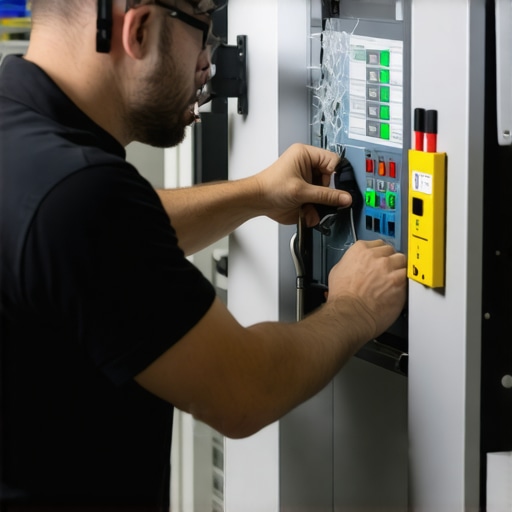
How to replace a cracked control panel overlay
Ever opened my dishwasher only to find the control panel…