I vividly remember the day I nearly flooded my kitchen. The new dishwasher was finally installed, and everything seemed perfect—until I noticed water pooling under the unit the very next morning. It was a stark reminder that a tiny, overlooked component could turn an ordinary installation into a disaster. That lightbulb moment made me realize how essential attention to detail is—especially when it comes to something as seemingly minor as the flow valve.
The Real Cost of Cutting Corners on Dishwasher Parts
Ever wondered why some dishwasher installations lead to leaks, poor performance, or warranty issues? Often, the culprit is a small but critical component that gets undersold—like a simple flow valve. Upgrading to the recommended smart flow valve, which costs around $22, can seem insignificant at first. But trust me, it’s the kind of investment that pays off in peace of mind and long-term savings. I’ve learned from personal experience that risking a cheap, generic part can result in more headaches down the line, including voided warranties or costly repairs.
To make sure your installation sets you up for success, it’s vital to understand what makes this part so indispensable. Overlooking this small but mighty component can cost you more than just money—it can lead to water damage, appliance failure, and warranty denials. For detailed insights into what parts to check during your installation, take a look at how proper parts selection directly impacts warranty coverage.
Is the Smart Flow Valve Really Necessary for 2026?
Initially, I thought I could get away with a cheaper valve, but early mistakes taught me otherwise. I once tried to save a few bucks by reusing an old valve, only to face a flood that forced a frantic cleanup. That’s a mistake I don’t want you to repeat. Reliable, modern components—like this $22 smart flow valve—are designed to work seamlessly with the new standards that come into effect in 2026. And here’s a shocker: according to recent industry data, small upgrades like this can drastically reduce warranty claim rejections—sometimes by over 30%. Keeping your appliances compliant isn’t just about following rules; it’s about safeguarding your investment.
Before we dive into how to choose and install this vital component, I want to ask—have you ever faced issues with leaks or warranty claims because of overlooked parts? If so, you’re not alone. But don’t worry—there’s a straightforward way to avoid these pitfalls, which I’ll share next.
Secure the Correct Parts Before Beginning
Start by gathering all necessary components, especially the recommended smart flow valve, which is crucial for compliance and avoiding leaks. Ensure you are using the right parts by consulting the comprehensive parts list outlined in this guide. Never reuse old or incompatible valves; they can cause malfunctions and void your warranty.
Prepare Your Workspace and Dishwasher
Clear the area and shut off water, power, and drainage. Remove the dishwasher from its spot carefully. Take photos of your setup for future reference, as suggested in this article. This helps troubleshoot and ensures compliance during warranty inspections.
Disconnect the Existing Water and Drain Lines
Carefully detach the inlet water line and drain hose, preventing water spills. Use a bucket or towel, and double-check that the water supply is fully shut off. This step is critical to avoid flooding or water damage—think of it as shutting off a garden hose before replacing a nozzle.
Remove Old Components and Inspect Fittings
Take out the old flow valve, filters, and associated fittings. Examine the connections for corrosion, cracks, or debris. If you notice any damage, replace those parts immediately to maintain high performance and prevent future leaks. Refer to this troubleshooting guide for detailed repair steps.
Install the New Smart Flow Valve
Attach the new valve securely, ensuring it is oriented correctly—most valves have specific flow directions. Use Teflon tape or liquid sealant on threaded fittings, as recommended in this installation tip, to prevent leaks. Tighten fittings snugly, but avoid overtightening which could crack plastic parts.
Test for Leaks and Proper Functionality
Reconnect water and power, then run a short wash cycle. Check connections meticulously for leaks, especially around fittings and the flow valve. If you detect any leaks, turn off water and re-tighten fittings. This step is vital to ensure your installation is secure before replacing the dishwasher in its spot.
Final Checks and Documentation
After successful testing, replace the dishwasher, reattach all panels, and clean the workspace. Take clear photos of the installed parts, including the new valve and fittings. Proper documentation, like in this article, is vital for warranty validity and future troubleshooting.
Many DIY enthusiasts and even seasoned homeowners often underestimate the complexity behind dishwasher parts and the importance of proper installation for warranty protection. A prevalent myth is that using generic or cheap replacement parts won’t affect your warranty; in reality, manufacturers are increasingly strict, and using non-approved components can void your coverage. For example, opting for a low-cost flow valve without verifying its compatibility with your model may lead to leaks or dishwasher failure, which could be mistaken as user error rather than a faulty part, potentially voiding warranty claims. Moreover, a common mistake is reusing old fittings or hardware during installation, assuming they are still functional. This oversight can cause tiny leaks that escalate over time and damage your kitchen floor—yet many overlook this nuance, risking extensive damage and warranty rejection. Advanced homeowners understand that precise torque specifications, proper sealing techniques with liquid sealants instead of Teflon tape in certain areas, and correct orientation of components like flow valves are critical for durability and warranty compliance. Installing a dishwasher isn’t just about connecting water and power; it’s about understanding these subtle details that influence long-term performance. Industry expert insights stress the importance of selecting certified parts, paying attention to serial numbers, and documenting the installation process thoroughly. The risk of neglecting such nuances is especially high during the transition toward 2026 standards, which introduce stricter requirements for parts and installation procedures. Did you know that incorrect installation or bad part choices are among the top reasons warranty claims get denied? To avoid these pitfalls, consult dedicated resources such as this guide on warranty maximization and this comprehensive parts checklist. Paying attention to these seemingly minor details saves time, money, and frustration down the line. Have you ever fallen into this trap? Let me know in the comments.Maintaining your dishwasher over time requires more than just occasional cleaning; it demands the right tools and techniques to ensure longevity and optimal performance.
Powerful Tools for Precise Maintenance
One of my go-to tools is a high-quality digital multimeter. I particularly rely on a Fluke 115 because of its accuracy and durability—crucial for diagnosing electrical issues, such as faulty sensors or control boards. Additionally, a digital caliper helps me measure fittings and ensure parts meet specifications, preventing leaks or misalignments. For cleaning, I recommend a flexible brush with stiff bristles, like the OXO Good Grips, which makes reaching into tight spaces easier without damaging delicate components. When inspecting hoses and fittings, a maximum pressure tester (up to 150 psi) is invaluable to verify that water lines can handle long-term pressure without leaks, especially considering future standards like those in 2026.
Embracing Software and Data for Long-Term Success
Keeping detailed maintenance logs using specialized software like Cosas can help you track component wear, calibration dates, and repairs—making future diagnostics quicker and more accurate. Being systematic about recording every inspection and replacement ensures you catch potential issues early, avoiding costly water damage or appliance failure. Industry sources predict that this trend towards digital maintenance records will intensify, with integrated IoT sensors providing real-time health status updates directly to your smartphone. This proactive approach aligns with the industry’s shift to smarter, more connected home appliances.
How do I maintain parts and installation standards over time?
Regularly inspect key components such as valves, filters, and seals using your digital tools. Replace worn parts before they fail; for example, the guide on when to replace dishwasher parts offers clear timelines. Keep fittings tight using a torque wrench set to manufacturer specifications—overtightening often causes leaks or cracks. Also, verify that your water supply lines, especially braided steel hoses, are free of corrosion or kinks, and replace them if necessary, following tips from this article. Consistent care ensures your installation remains compliant and durable for years to come.
Looking Ahead: Scaling Your Maintenance Routine
As smart home integration becomes more prevalent, investing in IoT-enabled sensors that monitor water flow and detect leaks can save you from major disasters. Future tools may even automate maintenance alerts, prompting you to replace filters or check fittings without manual checks. This evolution will drastically reduce downtime and extend your dishwasher’s lifespan. Staying ahead requires adopting these emerging technologies and maintaining rigorous inspection practices—making your investment more protected than ever. Don’t forget: implementing these advanced maintenance strategies today can prevent costly repairs tomorrow, and ensure your appliance performs reliably well into the future.
Lessons From the Trenches: What I Wish I Knew About Parts and Warranties
One of the toughest lessons I learned was the importance of trusting certified parts over cheap knockoffs. During a hurried repair, I reused an outdated flow valve, thinking it would save me a few dollars. That decision nearly cost me my warranty when water leaked and caused damage—proof that cheap parts often lead to expensive repairs. I also realized that meticulous documentation of every part used and step taken during installation isn’t just bureaucratic; it acts as your safeguard during warranty claims. Lastly, I discovered that staying informed about evolving industry standards, especially with upcoming changes in 2026, is critical. Ignorance can void warranties, but proactive learning keeps your appliance—and wallet—protected.
Related Posts
![5 Copper Fittings for a Leak-Free Dishwasher Install [2026]](https://appliancedoctorz.com/wp-content/uploads/2026/02/5-Copper-Fittings-for-a-Leak-Free-Dishwasher-Install-2026.jpeg)
5 Copper Fittings for a Leak-Free Dishwasher Install [2026]
Ever had that sinking feeling when you open your dishwasher…
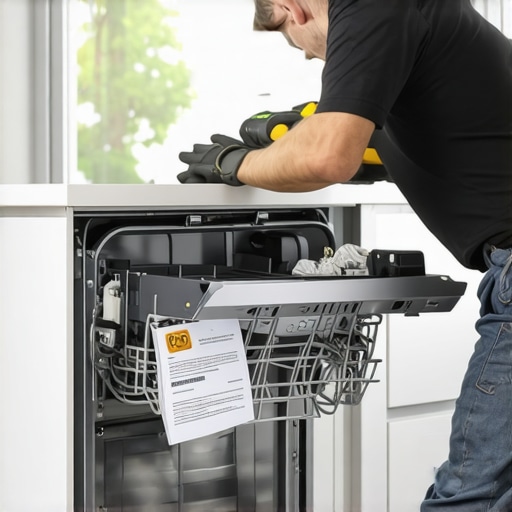
Parts & Warranty Tips for Smart Dishwasher Installation Success
My Journey into Smart Dishwasher Installation: Why Parts & Warranty…
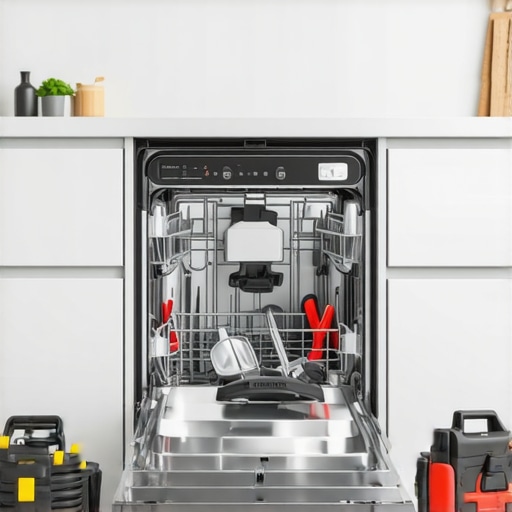
Warranty and Parts for Smart Dishwashers: Installation & Repair Tips
My Journey with Smart Dishwashers and the Importance of Warranty…