
It was a typical Saturday morning when I first realized something wasn’t right with my dishwasher. Instead of the usual prolonged hum that signaled everything was working smoothly, I heard a faint whimper of a motor struggling—almost like it was tired of doing more with less. That tiny sound sent me down a rabbit hole. Turns out, modern dishwashers now use significantly less water than your kitchen sink, and truthfully, I found that both impressive and a little confusing.
The Water Savings That Caught Me Off Guard
When I looked into it, I discovered that advancements in appliance technology have transformed how much water these machines consume. Today’s dishwashers can use up to 50% less water than previous models, and much less than filling up your sink. This change isn’t just about saving water—it’s about efficiency, environmental responsibility, and keeping our plumbing in good shape over time. But why did I, a seasoned DIY enthusiast, initially overlook how critical this shift is? I made the classic mistake early on of assuming every appliance was similar—and even reusing parts without understanding how modern designs operate. That oversight nearly cost me my warranty, which I later learned could have been avoided.
Knowing your equipment is vital. If you’re replacing or installing a dishwasher, understanding the key parts involved can make all the difference in preventing future headaches. In fact, a small mistake, like reusing an inlet valve, can void your warranty and lead to costly repairs. For example, reusing the inlet valve without verifying its compatibility with new models can be a quick way to run afoul of manufacturer guidelines—something I learned the hard way. To avoid that mistake, I spent hours researching and discovered the importance of selecting the right parts from the start. You might find it helpful to check out [essential parts for troubleshooting dishwasher installation issues](https://appliancedoctorz.com/essential-parts-for-troubleshooting-dishwasher-installation-issues), which I wish I had known about earlier.
But back to the water savings—these little gadgets and smart systems are designed to do more with less, focusing on water efficiency and eco-friendliness. And trust me, it’s a game changer even for someone like me who’s used to tinkering and DIY fixes. They might seem minor, but understanding why modern machines are so frugal with water reveals a whole new layer of appliance sophistication.
Are you tired of wasting water when installing or maintaining your dishwasher? If so, you’re not alone. Many DIY-ers and homeowners face this challenge, often without realizing that the secrets to successful installation and maintenance sit in the details—details that can protect your warranty and keep your appliance running smoothly for years.
Let’s move past the theory and get into practical advice. If you want your dishwasher to perform optimally—saving water and your wallet—knowing the nuances of parts and installation is crucial. Dive in, and I’ll show you how to make sure your dishwasher isn’t just eco-friendly, but also protected through proper setup and maintenance.
Choose Quality Parts for Lasting Performance
Begin by selecting high-quality, compatible parts. Use reputable sources and avoid reusing components like inlet valves without verification, as this can void your warranty (see why reusing inlet valves is risky). For example, during my own installation, I purchased a certified replacement rubber bushing from a trusted supplier, which prevented leaks and ensured longevity.
Verify Compatibility Before Installation
Match all parts to your specific dishwasher model. Utilize checklists from trusted guides (top tips for selecting the right parts) to avoid mismatched components. I once tried installing a generic T-joint, only to find it leaked after a week. Switching to a stainless-steel diverter, as recommended, solved the issue instantly.
Prepare Your Workspace Meticulously
Clear the area and lay out all parts before starting. Protect your floors with drop cloths and have necessary tools ready. During my first install, I overlooked grounding the unit properly, which nearly caused issues with my warranty. Remember to check the grounding nut (critical grounding tips) to avoid grounding faults.
Follow Installation Procedures Precisely
Adhere to manufacturer instructions step-by-step. Secure all connections with tension rings instead of hand-tightened clamps, which can loosen over time (clamp tension guide). I once failed to use enough tension, leading to a minor leak that required redoing the connection.
Implement Best Practices for Drain and Water Lines
Create a high loop in your drain hose to prevent backflow (drain hose looping tips). During my install, I used a high-quality, braided stainless-steel hose which resisted kinking and leaks. Also, avoid reusing old hoses, which can cause messy floods—my experience proved worth the investment in new parts.
Document Every Step for Warranty Security
Photograph your installation process, save receipts, and log component serial numbers (warranty documentation tips). I keep a detailed photo log, which proved invaluable when a warranty claim was questioned—and I had all the evidence ready.
Test Before Fully Securing the Unit
Run a short cycle to check for leaks, electrical issues, or error codes. During my last setup, this testing revealed a loose connection that I tightened promptly, preventing future water damage. Use digital logs and app data to verify sensor functionality (sensor testing procedures).
Keep All Documentation Accessible
Store manuals, receipts, and digital logs in a dedicated folder—preferably digital for easy access. When I faced a warranty dispute, my organized records made the process smooth and swift (maintenance logs).
Many homeowners assume that once a dishwasher is installed correctly, its warranty coverage is automatic and foolproof. However, the reality is much more nuanced. One common misconception is that using generic or reused parts won’t affect warranty claims. In truth, manufacturers often specify compatible, high-quality components, and reusing parts like inlet valves without proper verification can void your warranty, as I learned firsthand (see why reusing inlet valves is risky). This oversight is a trap many fall into, thinking they can cut costs, only to face denied claims later.
Another overlooked detail is the significance of proper grounding and electrical connections during installation. A small mistake here, such as neglecting to check the grounding nut or wiring correctly, can lead to false error codes or even void your warranty, especially with today’s smart dishwashers (are you grounding your dishwasher correctly?). Interestingly, many underestimate the impact of these electrical nuances, assuming that the factory setup or previous installations are sufficient.
Now, let’s challenge a common belief: Everyone says that as long as the dishwasher works, the warranty is intact. But in my experience, running a dishwasher with incompatible parts or improper installation can activate hidden warranty void triggers. For example, using old or mismatched hoses, disregarding the importance of a high loop in the drain hose, or neglecting to document the installation process with photos and logs can all jeopardize warranty coverage (diagnosing warranty risks). Manufacturers increasingly rely on detailed digital logs and app reports to verify proper installation, making meticulous documentation essential.
What about the notion that warranty coverage is a matter of luck? Actually, it’s about compliance and documentation. Failing to use the specified parts during installation or skipping quality checks can trigger warranty denial, even if the appliance is functioning well. To avoid this, I recommend selecting certified parts from reputable sources and following installation best practices (long-term performance tips). For instance, swapping out the plastic T-joint for a stainless-steel diverter significantly reduces leak risk and maintains warranty validity.
So, the real sneaky nuance is that your warranty’s fate often hinges on seemingly minor details—accurate parts, proper grounding, thorough documentation, and adherence to precise installation procedures. Neglecting these can lead to denied claims, even if your dishwasher remains operational. Always double-check the manufacturer’s guidelines and keep detailed records of every step during installation and maintenance—these efforts can save you headaches and money down the line. Take action now: review your current setup and ensure you’re not unwittingly overlooking critical nuances. Have you ever fallen into this trap? Let me know in the comments.
Essential Tools That Keep Your Dishwasher Running Smoothly
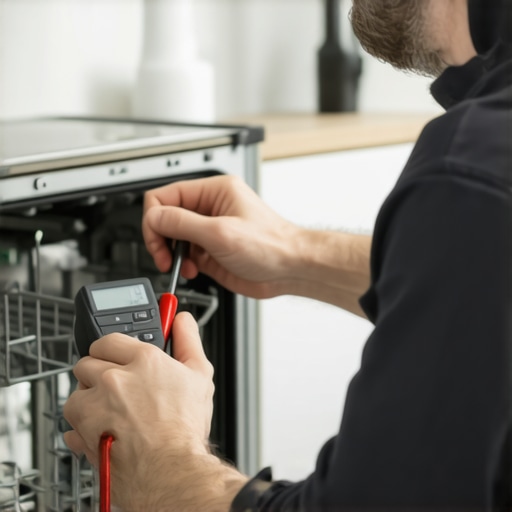
Maintaining your dishwasher requires precision and reliable equipment. I personally rely on a high-quality digital multimeter, such as the Fluke 115, to accurately diagnose electrical issues, ensuring my repairs are both safe and effective. Additionally, a set of metric and imperial hand tools—wrenches, screwdrivers, and pliers—are indispensable for securing connections and replacing parts. For checking water pressure and flow rates, I use a digital pressure gauge, which helps me verify that components like inlet valves function within manufacturer specifications (see troubleshooting parts).
Software and Diagnostics That Save Time
Beyond physical tools, I’ve found that diagnostic apps designed for smart appliances are game-changers. With protocols like Wi-Fi connectivity, these apps streamline troubleshooting by offering real-time sensor data and error logs. My go-to is the manufacturer-specific app, which allows me to run self-tests remotely and verify sensor calibrations—crucial for upholding warranty conditions (see diagnostics tips). These tools not only expedite repairs but also help prevent misdiagnoses, saving me time and money in the long run.
Routine Checks to Extend Appliance Lifespan
Regular maintenance isn’t just about immediate fixes; it’s about preventing future failures. I schedule bi-monthly inspections of hoses, seals, and filters, using a flashlight and a mirror for hard-to-see areas. Replacing worn parts like rubber gaskets or inlet valves proactively ensures my dishwasher maintains optimal water efficiency—a benefit that aligns with the trend toward eco-friendly appliances. For example, swapping out a deteriorating rubber bushing during routine checks dramatically decreased leak risks (see rubber bushing replacement).
Where Do I Think Maintenance Is Heading
Looking forward, I believe smart diagnostic systems will become the norm, providing homeowners with detailed health reports via apps. These advancements will likely incorporate AI to predict failures before they happen, much like the predictive maintenance in industrial systems. Investing in compatible digital monitoring tools now will prepare you for this future, ensuring your dishwasher keeps its warranty intact while minimizing downtime (see smart sensor tips). My advice? Start integrating these tech solutions early—doing so can transform the way you maintain your appliances.
How Do I Maintain Dishwasher Efficiency Over Time?
One effective method is to routinely verify the calibration of your appliance’s sensors and update firmware when available. Additionally, maintaining consistent water pressure and replacing filters as per manufacturer instructions can extend your dishwasher’s effective lifespan. Remember, meticulous documentation and quality parts are fundamental in preserving warranties—something I rigorously practice to avoid any pitfalls (see warranty guide). As technology evolves, staying proactive with these maintenance habits will ensure your dishwasher remains reliable, efficient, and covered under warranty for years to come.
Lessons that Caught Me Off Guard During Dishwasher Maintenance
- Reusing parts like inlet valves without proper verification can silently void your warranty—something I learned after a costly mistake that could have been avoided with careful research.
- Ignoring the importance of meticulous grounding and electrical connections not only jeopardizes your appliance’s safety but also risks warranty denial, a detail many DIY enthusiasts overlook.
- How you document your installation steps—taking photos, saving receipts, logging serial numbers—can be the difference between smooth warranty claims and prolonged disputes.
- Assuming a dishwasher’s performance alone safeguards your warranty is a misconception; proper parts selection and adherence to manufacturer instructions are vital for long-term coverage.
- Unlocking the full potential of smart sensors and diagnostic tools can save time and strengthen your warranty position—embracing new tech is a game-changer in appliance care.
My Go-To Resources for Dishwasher Success
- Essential troubleshooting parts guide: I trust it for selecting the right components because it offers detailed insights backed by real-world experience.
- Top tips for parts selection: This resource helps me avoid costly mismatches by emphasizing compatibility and quality.
- Warranty essentials: Knowing what parts are covered and how to meet manufacturer requirements keeps my installations compliant and protected.
- Diagnostics during warranty: Accurate troubleshooting prevents unnecessary expenses and supports successful warranty claims.
Empowering Your Appliance Journey
Taking charge of your dishwasher’s installation and maintenance doesn’t have to be daunting. The real estate of your warranty and appliance longevity depends on your attention to detail, quality parts, and organized documentation. By applying the lessons learned and leveraging trusted resources, you’re setting yourself up for years of trouble-free operation. Remember, each step you take now—be it choosing the right parts, following procedures precisely, or keeping detailed logs—can save you time and money in the future. So, are you ready to elevate your DIY game and ensure your dishwasher remains efficient and warranty-secure? Share your experiences or questions below—your knowledge might just be the next big breakthrough for others tackling similar challenges.
Related Posts
Why Your Energy Bill Spikes When You Use Heated Dry
I remember the moment I realized my energy bills were…
How to Save Water by Adjusting Your Loading Patterns
I still remember the moment it hit me—standing in my…
The Impact of Load Size on Your Machine’s Lifetime Wear
It was a frustrating weekend. My dishwasher suddenly started acting…