
Ever had your dishwasher refuse to drain, leaving you staring at standing water and feeling the frustration mount? I remember the first time it happened to me. I was mid-wash, confident everything was fine, then suddenly, no draining noise, just a stubborn puddle of water sitting there. That lightbulb moment made me realize—what if I could just do it manually?
Taking Control When Your Dishwasher Won’t Drain
Dealing with a dishwasher that won’t drain is more common than you think, and it can feel pretty overwhelming—especially if you’re under warranty or worried about damaging your appliance further. The good news? There are practical ways to get that water moving again without calling in a repair technician every time. Today, I’ll show you how to manually force a drain cycle during a pump failure. This isn’t just a quick fix; it’s about regaining control and avoiding more costly repairs down the line.
Is Manually Draining Worth the Risk or Just a DIY Nightmare?
Early on, I made the mistake of dripping into a part I shouldn’t have, thinking I was saving time. Turns out, that small error led to more issues and a longer repair process. From my experience, knowing the correct steps can save you both time and money. Plus, understanding the inner workings of your dishwasher helps you spot problems early, and that’s crucial for keeping your warranty intact and preventing minor issues from turning into disasters.
If you’ve ever faced a situation where your dishwasher stubbornly refuses to drain, you know how disheartening it can be. But rest assured, there’s a way to manually force that drain cycle—something I’ll walk you through step-by-step. Trust me, once you learn this, you’ll feel more confident handling your appliance and avoiding unnecessary service calls.
Now, let’s dig into the specific steps on how to do this safely and effectively, so you can get your dishwasher back to working order without panic. And for a deeper understanding of your appliance’s parts and how they influence performance, you might find this guide on [essential parts for troubleshooting](https://appliancedoctorz.com/essential-parts-for-troubleshooting-dishwasher-installation-issues) helpful.
Locate and Prepare the Drain Access
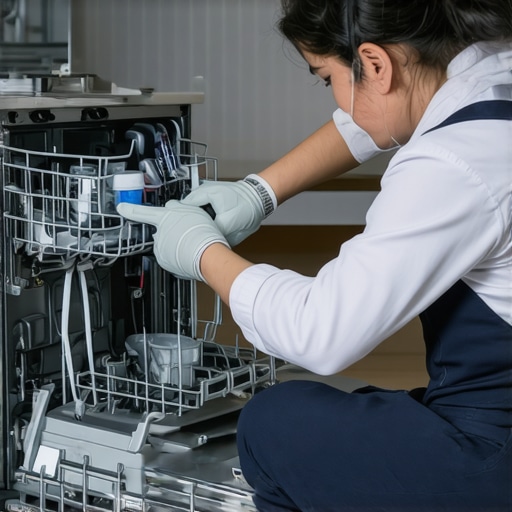
First, unplug your dishwasher to ensure safety. Remove the lower kickplate or access panel beneath the door—this is usually held by screws or clips. Place a towel or shallow container under the area to catch any residual water. Carefully disconnect the drain hose, which is typically secured with a clamp. My first attempt to do this involved a bit of water spill, but it taught me the importance of readiness and patience.
Clear the Drain Hose and Trap
Examine the hose for any kinks, clogs, or buildup. Remove any debris using a long brush or pipe cleaner. If your model has a trap or filter, clean it thoroughly. This prevents future drainage issues and can resolve current blockages. I once ignored this step and found my efforts futile until I cleaned out a clog lodged deep within the hose.
Manually Remove Standing Water
Use a small cup or sponge to siphon out the standing water into a bucket. Be gentle to avoid damaging the hose or internal components. Removing the water helps in both inspecting the drainage system and enabling the next steps. During my attempt, removing the water made the rest of the process cleaner and more manageable.
Flush or Clear the Drain Pump
If accessible, locate the drain pump and remove any obstructions. Sometimes, debris or small objects can jam the pump impeller. Turn the impeller manually with a screwdriver to check for free movement. If you notice damage or it’s stuck, considering parts replacement is wise—learning about the essential parts for troubleshooting can be helpful here. In my case, a twig had wedged into the pump, and removing it immediately restored drainage.
Reinstall and Test the System
Reconnect the drain hose securely with a new clamp if it was damaged. Make sure the hose is positioned with a high loop or air gap to prevent backflow—a common cause of drainage failure. I learned the hard way that a poor connection led to leaks, emphasizing the importance of tight seals. Plug in the dishwasher, run a short cycle, and verify that water drains properly. If water persists, further diagnosis may be necessary, potentially involving examining the pump or control board.
Verify Warranty and Parts Compatibility
While performing maintenance, it’s wise to review your warranty coverage and ensure you’re using compatible parts. The guide to parts and warranty provides insights into selecting the right components, preventing voided warranties and future issues. In one instance, reusing an old part caused leaks, and replacing it with OEM-compatible hardware fixed the problem and maintained warranty eligibility.
 Many homeowners assume that warranties are a straightforward shield against unexpected repair costs, but in reality, there’s a complex layer of nuances that can make or break your coverage.
Why Common Myths About Warranties Can Cost You
It’s widely believed that simply registering your dishwasher or keeping receipts guarantees warranty protection. However, manufacturers often specify strict conditions, especially regarding parts and installation practices, which are frequently overlooked. For example, using non-OEM parts might seem like a minor shortcut, but it can void your warranty entirely. Visiting this guide can clarify what parts are covered and how proper documentation plays a critical role.
Are Your Installation Steps Gumming Up the Warranty?
A common mistake is cutting corners during installation, such as neglecting to secure high-loop drain hoses or failing to install anti-siphon valves correctly. These oversights can lead directly to warranty denial when a failure occurs. Manufacturer protocols are often unforgiving about installation details, and failure to adhere to them can be termed negligence. For advanced DIYers, ensuring compliance with parts compatibility and installation nuances becomes a vital part of warranty security.
Beware of the ‘Fix-It-Yourself’ Trap
Many think that repairing a dishwasher using generic parts or unverified tutorials won’t impact their warranty. That’s a dangerous misconception. In fact, doing so might be seen as unauthorized repair, leading to outright denial. Experts emphasize using OEM parts and keeping detailed records of replacements and repairs. The truth is, warranties are less about coverage on paper and more about adherence to manufacturer-approved procedures and parts. For detailed insights, check maximizing warranty through proper parts and documentation practices.
Why Modern Tech Demands Precise Installation
As appliances become smarter, manufacturers incorporate sensors, data logs, and electronic checks. Failing to follow the latest installation standards can cause sensors to misread conditions, leading to false failures or warranty claims being rejected. For instance, neglecting to install a proper grounding system or skipping smart sensor calibrations can spell disaster down the line. According to recent studies by appliance experts, strict adherence to tech-specific installation guidelines drastically improves warranty success rates. To stay ahead, consult expert tips on smart installation practices that align with manufacturer standards.
Investing in the Right Equipment for Long-Term Performance
Maintaining your dishwasher’s health requires more than just occasional cleaning; it demands precise tools tailored to specific tasks. Personally, I swear by a high-quality digital multimeter. It allows me to accurately test electrical components like valves and sensors, preventing surprises during warranty inspections. For instance, verifying voltage at the inlet valve before replacing it ensures you’re diagnosing the root cause, not just symptoms. Additionally, a set of fine-mesh brushes and pipe cleaners are invaluable for clearing stubborn clogs from hoses and filters. These tools are affordable but crucial in avoiding unnecessary parts replacement, which could jeopardize your warranty benefits. As the trend leans toward smart appliances, having a Bluetooth or Wi-Fi-enabled diagnostic module can also streamline troubleshooting, allowing remote diagnostics and quick issue identification.
How do I maintain dishwasher parts over time?
Regular inspection and cleaning of key components are vital. Focus on inspecting the inlet valve, drain pump, and filters at least twice a year. Keeping parts free from mineral buildup and debris extends their lifespan and ensures firmware and sensor calibration remain accurate, protecting your warranty status. For precision, I recommend using a dedicated parts cleaning spray, which breaks down grease and mineral deposits without damaging sensitive electronics. Staying proactive helps you catch wear and tear early, avoiding costly repairs down the line. Furthermore, following manufacturer-specific guides, such as this resource, ensures you’re adhering to best practices for maintenance and longevity.
The Future of Dishwasher Upkeep
As technology advances, predictive maintenance powered by AI and IoT will become standard, alerting homeowners to wear before failures occur. Imagine receiving an app notification that your spray arm motor’s efficiency is waning—long before it fails. Embracing these innovations will reduce downtime and warranty claim denials. Currently, integrating advanced monitoring systems involves OEM upgrades, but in the future, expect modular, plug-and-play diagnostics that seamlessly sync with your home’s smart ecosystem.
Why Regular Calibration and System Checks Matter
Keep your smart sensors, water levels, and pressure systems calibrated to the manufacturer’s specifications. For example, routine calibration of the AI flow sensor can prevent false error codes that might lead to warranty disputes. I recommend using diagnostic tools that connect via USB or Bluetooth, enabling data logs to be reviewed after each cycle. This proactive approach not only preserves warranty protections but also ensures peak performance.
For detailed troubleshooting and calibration techniques, consult this guide. Try using a digital multimeter to verify the correct voltage at critical points during your next maintenance—it’s an advanced tip that can make all the difference!
What I Wish I Knew When I Started Repairing My Dishwasher
One of the toughest lessons I learned was that rushing into DIY repairs without fully understanding the warranty nuances can backfire—voiding coverage you thought was guaranteed. I also realized the importance of keeping detailed records, like receipts and installation photos, which can make all the difference in warranty claims. Additionally, I’ve discovered that familiarizing myself with the specific parts and their roles helps me identify issues faster, saving time and money in the long run. Lastly, I wished I understood earlier that regular preventative checks are more cost-effective than reactive repairs, preventing minor problems from escalating into costly replacements.
Tools and Resources That Keep My Dishwasher Running Smoothly
My go-to toolkit includes a high-quality digital multimeter—crucial for accurately diagnosing electrical issues—and long brushes for clearing stubborn hose clogs. The website Essential Parts for Troubleshooting has been invaluable for understanding component roles, ensuring I use the right parts during repairs. To stay updated on warranty protocols, I rely on this comprehensive guide on warranties, which clarifies best practices for documentation and parts usage. These resources together give me confidence that I can troubleshoot effectively and protect my warranty coverage.
Take Charge and Keep Your Dishwasher in Top Shape
Remember, proactive maintenance is your best friend in avoiding unexpected breakdowns and warranty denials. Embrace a routine of inspecting key components—like filters, inlet valves, and drain pumps—with proper tools, and keep detailed records of all repairs and part replacements. As appliances become smarter, staying informed about the latest installation and troubleshooting techniques will ensure your warranty stays intact and your dishwasher performs reliably. Now is the perfect time to implement these practices and turn repair anxiety into confidence. What step will you take today to better protect your dishwasher and warranty? Share your plans below!
Related Posts
The One Part That Causes Your Dishwasher to Overfill Every Time
Ever stood by your dishwasher, hearing that dreaded gurgle and…
The Silent Leak: Why Your Base Pan Is Full of Water
I remember the first time I opened my dishwasher after…
How to Unjam a Stuck Float Switch in Five Seconds
Imagine standing in front of your dishwasher, ready to start…
Comments are closed.