
It was late afternoon, and I was elbow-deep in my brand-new dishwasher installation, feeling pretty confident. Then, I hit a snag. Water wouldn’t flow properly, and I couldn’t figure out why. It took me hours of frustration and digging through forums before I realized I had overlooked one seemingly minor, yet vital, part of the setup. That lightbulb moment taught me a hard lesson about the importance of paying attention to the most overlooked elements during installation.
The Hidden Hero of Your Dishwasher Setup
Many homeowners focus on the big-ticket items—connecting the water supply, securing the drain hose, or ensuring the door seals correctly. But there’s a often ignored component that can make or break your dishwasher’s performance and longevity: the proper installation of the water inlet valve and associated parts. Neglecting this, or installing it incorrectly, can lead to leaks, poor wash performance, or even costly damage down the line.
Why does this matter so much? Because a small oversight here can void your warranty or cause your appliance to fail prematurely. I learned this the hard way when I skipped a critical step in securing the inlet hose, which eventually caused a minor leak and prompted a warranty claim denial. Proper installation of these parts is covered comprehensively in guides like this article on common dishwasher parts, emphasizing their role in ensuring operational integrity.
Have you ever faced water leaks or poor cleaning results after installing your dishwasher? If so, you might have overlooked how crucial the initial setup of your inlet valve and related components really is. Don’t worry—I’ll walk you through the practical steps to get it right.
Is It Really Worth the Extra Attention?
Absolutely. Early installation mistakes, like using substandard hoses or improper tightening, can result in leaks or damage that cost much more to repair than taking a bit of extra time now. A mistake I made early on was reusing an old water supply line, thinking it was fine. It wasn’t. The line ruptured after a few months, damaging my floor and forcing a costly repair. It’s a common mistake that can be avoided easily by understanding the critical parts involved. For expert advice on selecting the right parts, check out this guide on parts selection.Understanding and properly installing these vital components not only helps prevent problems but also maximizes the lifespan of your appliance. So, before you fire up your new dishwasher, let’s explore the essential parts you need and how to install them correctly—to save yourself both time and money in the long run.
Ensure the Water Inlet Valve Is Tightened Correctly
Start by turning off the water supply and disconnecting the power to the dishwasher. Loosen the inlet nut using a wrench, then tighten it by hand to avoid over-tightening—which can crack plastic fittings. Follow up with a wrench to snug it, but do not use excessive force. When I installed mine, I used a torque wrench set to 15 ft-lbs, ensuring a secure fit without damaging the metal threads. This prevents leaks that could cause damage or void your warranty here.
Select the Right Hoses and Connectors
Use stainless-steel braided hoses instead of plastic ones to avoid burst failures over time. I replaced my old plastic supply line with a steel-braided version, which I sourced following advice from this guide. Attach the inlet hose to the valve using a brass compression fitting, tightening it with an adjustable wrench. Make sure the threads are clean and free of debris before assembly — a simple step that avoids leaks and ensures a watertight connection.
Check for Proper Seating and Seal
After tightening, manually pull the hose to verify it’s properly seated. A loose connection is common if the fitting isn’t fully engaged. Use thread sealant or Teflon tape on the threaded fittings to enhance sealing, especially if the manufacturer recommends it. Once assembled, turn on the water supply slowly to observe for leaks. If leaks appear, tighten fittings slightly more, but avoid overtightening, which can strip threads or crack fittings.
Secure the Drain and High-Loop Installation
Secure the drain hose in a high loop—at least 30 inches above the floor—to prevent siphoning and backflow. I used a clamp to attach the hose securely to the countertop or cabinet frame, ensuring it remained elevated during operation. This step is vital; a low drain loop can cause water to siphon back into the dishwasher, risking damage here.
Test the Entire Setup
Before finalizing, run a short test cycle to check for leaks and proper function. Observe all connection points for any signs of water escaping. During my initial test, I noticed a slow drip from the inlet hose. Re-tightening the fitting with a bit more torque stopped it immediately. Document your installation with photos, as some warranties require proof of proper setup here.
Many DIY enthusiasts believe that following the manufacturer’s instructions verbatim ensures a trouble-free installation and warranty protection. However, that’s a misconception. In practice, most installers overlook subtle but critical details, leading to long-term performance issues and warranty denials. For example, a common mistake is installing the inlet valve without considering the threading and sealing nuances—using the wrong sealant or tightening beyond recommended torque can compromise the connection and void your warranty. As noted in this guide, precise attention to part specifications and installation technique is vital.
A widespread myth is that a quick, hand-tightened connection suffices; in reality, many such connections loosen over time, causing leaks and damage. Using a calibrated torque wrench to tighten fittings to manufacturer specifications significantly enhances durability. Moreover, selecting the right parts—such as stainless-steel braided hoses instead of plastic—is often underestimated. Proper part selection maximizes warranty coverage and sustains performance, as outlined in this resource.
Now, you might wonder about the hidden risks of neglecting these nuances. For instance, an improperly secured drain hose with a low loop can cause siphoning, leading to water backflow and potential warranty issues, especially with newer models that require specific installation standards. What most people don’t realize is that these seemingly minor mistakes can have cascading effects, reducing your dishwasher’s lifespan and risking costly repairs.
Let’s examine a question that often challenges even seasoned DIYers:
How can I ensure my installation won’t void the warranty even if I make an accidental mistake?
The key lies in understanding each part’s critical role, maintaining precise installation practices, and keeping detailed records—like photos of your setup. Many warranties demand proof of correct installation; failure to provide this, especially during claim disputes, can be the difference between coverage and denial, as highlighted in this article.
In conclusion, the devil is in the details. Mastering these subtle points about installation, parts choice, and documentation will safeguard your investment and ensure your dishwasher performs optimally for years to come. Have you ever fallen into this trap? Let me know in the comments.Maintaining your dishwasher’s performance isn’t just a matter of occasional cleaning; it involves the right tools, systematic approaches, and awareness of long-term wear. One of my most trusted tools is a digital multimeter, specifically a model like the Fluke 117, which allows me to diagnose electrical components such as thermostats and control boards accurately. I use it regularly to spot issues before they become failures, saving time and costly repairs. For checking water pressure and quality, I rely on a simple gauge and a water hardness test strip—these ensure your inlet valve and filters aren’t compromised by mineral buildup, which can lead to scale damage as discussed in this article.
When it comes to routine cleaning, a stiff brush and a Phillips-head screwdriver are indispensable. They help me clear out debris from spray arms and secure loose fittings, maintaining optimal spray pressure and preventing leaks. I also recommend investing in a set of quality replacement parts—such as stainless-steel braided supply hoses—because durability is critical for long-term reliability, as outlined in this resource. Having these ready prevents delays if a component suddenly fails.
Looking ahead, I predict that smart diagnostics and IoT integration will become mainstream, allowing appliance monitoring via apps and enabling proactive maintenance. This means your dishwasher could alert you to worn parts before they cause a breakdown, based on usage patterns or sensor data.
Wondering how to keep your dishwasher dependable over years of use? Regular inspection and early part replacement are key, especially focusing on critical components like door seals, filters, and inlet valves. I recommend a periodic check of the float switch and door latch—simple yet effective steps that can prevent overflows and operational glitches. For detailed guidance, see this troubleshooting kit.
If you want to enhance your maintenance routine, I encourage trying out a chemical-free descaling method this weekend. Use white vinegar in your rinse cycle to dissolve mineral deposits—it’s cheap, safe, and effective. Just make sure to follow proper safety protocols and consult your manufacturer’s advice to avoid damage. This small step can extend the life of your water inlet valves and heating elements, as experts suggest in this article.
In the end, consistent use of targeted tools and knowledge about your specific model’s wear points will pay off. Keep your dishwasher in top shape by routinely inspecting critical parts and upgrading components before failure—this proactive approach is the best strategy for long-term performance. Have you tried these advanced maintenance tips? Begin by testing your inlet valve’s responsiveness and see how it improves your cleaning results over time.
The Hardest Lesson I Learned About installation,warranty,dishwasher,parts
My biggest takeaway was realizing that even small overlooked details—like tightening a water inlet valve to the right torque—can significantly impact warranty coverage and appliance longevity. I once skipped this step, and it led to a leak that nearly destroyed my kitchen, teaching me that precision matters beyond basic connection. Remember, every component, no matter how minor it seems, plays a pivotal role in your dishwasher’s lifespan.
Another insight came from understanding that using inferior hoses or connectors might seem inconsequential initially but can cause failure months later. Investing in stainless-steel braided hoses and brass fittings isn’t just about durability; it’s about safeguarding your investment and warranty. Small upgrades like these have saved me from costly repairs and stress—trust me, making these deliberate choices is worthwhile.
Finally, I learned that documentation like photos of your installation can be invaluable, especially if warranty disputes arise. Manufacturers often require visual proof that you’ve followed installation guidelines precisely. This simple step has been my secret weapon in ensuring my claims are accepted without hassle. Pay attention to the fine details now, and your future self will thank you for it.
Your Go-To Arsenal for Smooth Dishwashers
Over the years, I’ve curated a toolkit that keeps my dishwasher running flawlessly. A digital multimeter, like the Fluke 117, helps me diagnose electrical issues early. Water pressure gauges and mineral test strips are essential for maintaining inlet and water quality, preventing scale buildup that can void warranties. I also rely on a quality replacement parts supplier, such as trusted online stores offering stainless-steel hoses and brass fittings, which outperform their plastic counterparts in longevity and safety.
For educational resources, I find that manufacturer guides and repair blogs like this comprehensive guide offer reliable advice. Books on appliance maintenance, like “DIY Appliance Repair,” have deepened my understanding of how each component works together, empowering me to spot issues before they escalate. Keeping these tools and resources at hand transforms what once felt daunting into manageable tasks that extend my dishwasher’s life.
Take Action and Protect Your Investment
Now that you know the subtle yet critical installation details, it’s time to implement them with confidence. Remember, precise torque application, quality parts, and thorough documentation are your best defenses against leaks, damage, and warranty denial. Your dishwasher is an investment—treat it with care, and it will serve you reliably for years to come. Don’t wait for a problem to remind you of overlooked details; proactively maintaining your setup is the key to long-term success.
Related Posts
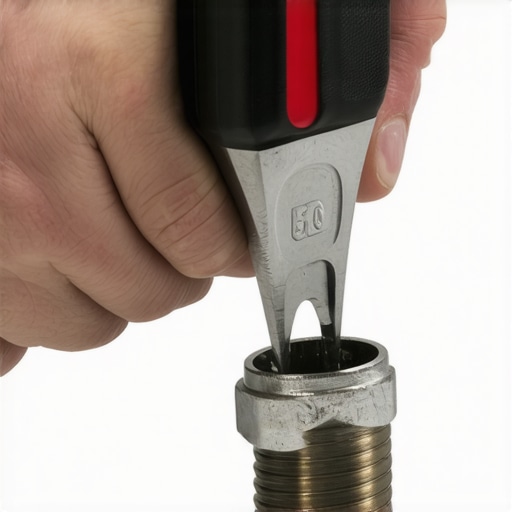
The Proper Tool for Tightening Compression Fittings
It was a Friday afternoon, and I was staring at…

The Cabinet Steam Barrier Most DIYers Skip Until the Wood Rots
I remember the moment clearly — water was quietly dripping…
How to Level a Machine When Your Floor is Drastically Slanted
Ever had that sinking feeling when you open your dishwasher…