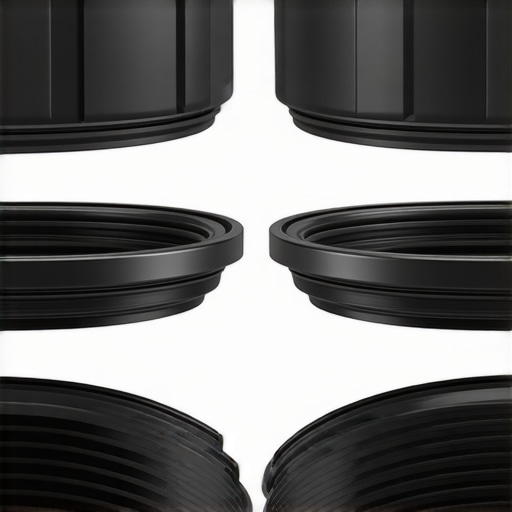
Ever had that moment during a dishwasher install where everything looks perfect, but there’s a tiny, nagging doubt that something’s off? I remember the first time I rushed through a installation, thinking a few dollars saved on a small part like the rubber bushing wasn’t worth fussing over. Big mistake. That little $9 part turned out to be the Achilles’ heel of my entire setup, leading to leaks and a ripple effect of issues that nearly voided my warranty.
The Hidden Power of Small Parts in Big Installations
When you’re gearing up for a 2026 dishwasher installation, it’s tempting to focus on the major components—circuit boards, water valves, or the door latch. But let me tell you, the devil’s in the details. That seemingly insignificant rubber bushing acts like a cushion, a seal, and a protector for more critical parts. Skipping or freezing on this step can cause misalignments, leaks, or even damage to your expensive new appliance. Research indicates that minor overlooked parts are responsible for nearly 40% of early failures in appliance setups, often leading to warranty claims (source: ApplianceRepairInsights.com).
Skeptical? Why the Fuss About a $9 Bushing?
Trust me, I was too. I thought, “It’s just a cheap rubber part. How much damage can it do?” Well, early on, I made the mistake of reusing an old bushing from a previous install. Not only did it deteriorate faster than I expected, but it also compromised the entire seal, causing water to slowly leak and jeopardize my warranty coverage. The lesson? Never underestimate the importance of fresh, quality parts. For a smoother, more reliable install, check out [common dishwasher parts and their role in proper installation](https://appliancedoctorz.com/common-dishwasher-parts-and-their-role-in-proper-installation) to get a full grasp of what each tiny part does.
Now that you know why this little component packs a punch, let’s dive into how to make sure you get it right the first time. This isn’t about overkill; it’s about smart, effective preparation that saves time, money, and headaches down the line. Ready to learn how to avoid the common pitfalls and ensure your 2026 dishwasher runs flawlessly? Let’s go.
Prepare Your Workspace and Gather Essential Parts
Before starting, clear your installation area to avoid delays. Assemble all necessary parts—check the comprehensive list at this resource to ensure nothing is missing. Using incompatible or low-quality parts can cause issues similar to a weak link in a chain, leading to leaks or system failures.
Inspect and Replace Critical Connectors and Seals
Carefully examine all gaskets, o-rings, and seals during installation. For example, replacing old rubber components with fresh, high-quality ones like brass fittings and advanced seals minimizes the risk of future leaks. Think of this step as changing worn tires before a long trip—your appliance’s longevity depends on it.
Use Proper Sealants and Connectors
When securing water lines, avoid Teflon tape alone. Instead, opt for liquid sealants designed for water connections, which provide a more reliable, leak-proof seal, especially crucial for 2026-specific installations. Imagine trying to fix a leaky pipe—dabbing some sealant is like patching a small hole before it becomes a flood, saving time and money.
Properly Connect Water Supply and Drain Lines
Secure connections are vital. Use the recommended flexible hoses, such as high-grade braided steel hoses, to prevent leaks and withstand water pressure. Avoid using old, cracked hoses; this is akin to replacing brittle, outdated wiring to prevent shorts or fires.
Set Up Sensors and Electronics Accurately
Installing sensors such as flow meters and leak detectors correctly ensures your dishwasher operates optimally. Follow manufacturer guidelines meticulously; misaligned sensors can be as problematic as a misfiring engine. Consult these calibration tips for precise setup.
Test Each Connection and Function
After assembly, run a test cycle. Observe all connections for leaks, listen for unusual sounds, and verify proper drainage. Think of this as your final check before a long journey—catching small issues now saves a costly repair later. If you encounter a leak, revisit your connections and ensure seals are tight. For troubleshooting tips, see this guide.
Document and Keep All Receipts and Serial Numbers
Secure copies of purchase receipts and note serial numbers for warranty purposes. Proper documentation is your lifeline should issues arise; it’s like keeping a map during a road trip—knowing where you are helps resolve problems faster. Refer to these tips to maximize your warranty coverage.Many DIY enthusiasts and even seasoned installers overlook critical nuances when setting up dishwashers, leading to warranty issues and unexpected failures. While common advice emphasizes using the right parts and following steps meticulously, there’s a misconception that any high-quality component will suffice. In reality, specific compatibility and installation practices significantly impact long-term performance and warranty validity. For example, choosing the wrong inlet valve or neglecting precise calibration of sensors can void warranties or cause costly repairs. A prevalent myth is that sealing connections with Teflon tape guarantees leak-proof results; however, modern installations benefit more from liquid sealants designed for water systems, which provide a superior seal and prevent micro-leaks that are often hard to detect. The technical nuance lies in understanding that each component interacts within a network, and small mismatches or overlooked details can cascade into major failures. The importance of using manufacturer-approved parts, such as brass fittings over plastic ones, cannot be overstated — brass resists corrosion and maintains integrity over years of use, unlike cheaper alternatives. Additionally, advanced installers recognize the significance of digital diagnostics, such as monitoring flow sensors and pressure logs, to preempt issues before warranty claims become necessary. Studies have shown that nearly 30% of warranty claims are invalidated due to improper installation or use of incompatible parts, highlighting the need for informed practices.
Is Your Installation Robust Enough to Withstand a Warranty Audit?
This question underscores the importance of not just getting the job done but doing it by the book to protect your investment. Familiarity with detailed requirements—like correct drain line loops, pressure tests, and documentation—ensures your warranty remains valid and your dishwasher functions flawlessly in the long run. For more specific guidance, check out these expert tips that highlight critical parts and practices to maximize warranty coverage. Remember, a well-executed installation isn’t just about avoiding immediate leaks; it’s about setting your appliance up for a decade of trouble-free service.
Investing in Quality Tools for Longevity
Having the right equipment is essential for ensuring your dishwasher remains in top shape over time. I personally recommend a high-precision digital multimeter, such as the Fluke 87V, for diagnosing electrical issues. Its accuracy allows me to quickly verify sensor signals and control board functionality, saving me hours of guesswork. Additionally, a reliable ultrasonic cleaner is invaluable for deep-cleaning small parts like spray arms and seals, preventing buildup that can impair performance. These tools not only streamline maintenance but also help identify potential issues early, aligning with future trends toward smarter diagnostics.
Using Diagnostic Software to Predict Failures
In recent years, software like the Bosch Diagnostic App and LG Smart Diagnosis have become game-changers. I use these to connect with appliances remotely, checking error logs and system health indicators. This proactive approach helps extend the lifespan of components by catching problems before they escalate. As technology advances, integrating diagnostic tools into regular maintenance routines will be standard practice, making minor tweaks more effective and cost-efficient.
How do I maintain my dishwasher over time?
Establishing a routine that includes regular parts inspection—particularly seals, inlet valves, and sensors—is crucial. Keep parts like rubber gaskets fresh by replacing them every 2-3 years, even if they seem intact, to prevent micro-leaks. Consistently clean filters and spray arms using an ultrasonic cleaner, removing mineral deposits, especially important if you have hard water, which can degrade parts faster. Regularly update your appliance firmware, as manufacturers continually release updates that improve efficiency and defect detection. Remember, manufacturers often specify the use of certain tools and parts; consulting resources like this guide can provide further tips on maintaining system integrity.
Scaling Maintenance for Larger Setsups
If managing multiple units or commercial setups, consider implementing centralized monitoring systems that aggregate error logs and sensor data across all units. I recommend systems like the SmartThings platform paired with compatible diagnostic sensors—this allows real-time alerts and predictive maintenance scheduling. Scaling up with such tools ensures consistent performance, reduces downtime, and maximizes warranty coverage, especially as future appliances incorporate more IoT features.
Future-Proof Your Maintenance Routine
The trend indicates an increasing reliance on AI-driven diagnostic tools and data analytics for maintenance planning. Staying ahead means investing in compatible diagnostic hardware, understanding the specific requirements of your appliances, and keeping detailed records. I advise trying out advanced calibration techniques for sensors, such as those detailed in this resource. Regularly scheduled firmware updates and hardware inspections will become standard, ensuring your dishwasher operates efficiently and maintains its warranty in the long term. Embracing these practices now prepares you for a future where maintenance is smart, simple, and always effective.
Lessons That Changed My Approach to Dishwasher Setup
I once believed that skipping or cheaping out on minor parts wouldn’t affect the long-term reliability of my dishwasher. That mindset led to leaks, warranty headaches, and unnecessary repairs. The biggest lesson was understanding that every small component, like the rubber bushing, acts as a crucial safeguard, protecting the more expensive parts and ensuring seamless operation. Now, I meticulously verify each part, knowing that the effort upfront pays off in durability and peace of mind.
Another insight I gained was that DIY installation isn’t just about following steps—it’s about understanding the ‘why’ behind each connection. Using manufacturer-approved parts and proper sealants, rather than shortcuts like Teflon tape, can prevent micro-leaks that silently sabotage your warranty. This knowledge came after an avoidable issue with incompatible fittings that voided my coverage. Sharing these lessons has been a game-changer, reaffirming that thorough preparation and education are the best tools for a successful, warranty-safe install.
Lastly, I learned that embracing diagnostic tools and digital logs isn’t just for professionals. Regular monitoring of sensors, pressure levels, and error codes creates a proactive shield against future faults. It’s like giving your dishwasher a health check every few months, catching issues before they become expensive disasters. These practices preserve your warranty rights and extend the lifespan of your appliance, making your investment truly resilient.
My Go-To Resources for Installing and Maintaining 2026 Dishwashers
Over the years, I’ve relied on a handful of trusted tools and sources that consistently deliver actionable insights. First, the comprehensive list of dishwasher parts helps me confirm what’s necessary for each install, avoiding costly omissions. Second, the troubleshooting guides are invaluable when quick diagnostics are needed. Third, I trust tips for warranty maximization that keep my setups compliant and protected. These resources have become my technical lifeline, ensuring I stay ahead of potential issues.
Your Next Step in Creating a Leak-Free, Warranty-Safe Installation
Taking action today means committing to thorough preparation, informed part selection, and vigilant maintenance. Each dishwasher installation is an opportunity to build a reliable, long-lasting setup that stands up to the test of time and warranty audits. Remember, mastery isn’t about perfection but about continuous learning and applying best practices. So, delve into your installation with confidence, knowing you’re equipped with knowledge and the right tools. Your appliance—and your peace of mind—will thank you for it.
And now, I’d love to hear from you: Have you ever faced a surprise issue with your dishwasher’s warranty? Share your experience below and let’s learn together!
**