I remember the moment when I first attempted to install a 2026 dishwasher, and everything that could go wrong did. The drain specs, in particular, had me scratching my head. The frustrating part? I overlooked a crucial detail about the high-heat drain requirements, leading to leaks and warranty headaches. That’s a lightbulb moment I don’t want you to have. If you’re gearing up for a professional install in 2026, understanding these 6 high-heat drain specs is not just a technical detail—it’s the foundation of a successful, leak-free setup. Today, I promise to walk you through what I’ve learned from my own missteps, so you can prevent costly mistakes and ensure your installation is top-notch.
Why High-Heat Drain Specs Matter More Than Ever in 2026
With the surge of smart features and digital integration in 2026 dishwashers, the importance of adhering to high-heat drain specs has skyrocketed. An improper drain setup can not only cause leaks—leading to damage and service calls—but can also void your warranty, leaving you in a tough spot. The industry is shifting towards more sensitive and sophisticated components that demand precise installation practices. Trust me, ignoring these specs is a gamble you don’t want to take.
And if you’re like I was, you might be asking, “Are these drain specs really critical, or are they just bureaucratic checkboxes?” It’s a valid question. I used to think that as long as the drain looked fine, I was good to go. But then I faced my own leak that could have been avoided with a better understanding of these specifications. According to a recent industry report, improper drain installation is among the top reasons for warranty claims in smart dishwashers—a fact that underscored the significance of my mistake. To stay ahead, you need to get these high-heat drain specs right from the start.
Now, how do you ensure that your drain setup isn’t the weak link? Well, it starts with understanding the 6 key specs that professional installers swear by. These specs are designed to handle the increased thermal loads and prevent backflow, which can be disastrous. The next step is knowing how to verify and implement these specs correctly during your install. But before we dive into the specific steps, let’s clear up some common doubts about whether paying extra attention to drain specs is really necessary.
Ensure Proper Drain Hookup with Precise Measurements
Start by measuring your dishwasher’s drain hose length accurately, ensuring it meets manufacturer specifications for high-heat compatibility. Use a tape measure to mark the optimal length that allows a gentle loop without kinks or excessive slack, which can cause backflow or leaks. Once measured, cut or select a hose that fits these parameters strictly. During my install last summer, I double-checked the hose length against the specs, avoiding a common mistake of overextension that led to heat-related degradation. This practice guarantees the drain functions correctly under thermal stress and is a critical step in preventing warranty issues.
Secure the Drain Hose with a Tight Loop
Form a high-loop in the drain hose to prevent siphoning and backflow, which are especially problematic for high-heat scenarios. Clamp the loop securely to the underside of the countertop or cabinet using adjustable stainless steel clamps. Ensure the loop height exceeds the height of the drain connection, adhering to specification charts. During my own project, I used a magnetic leveler (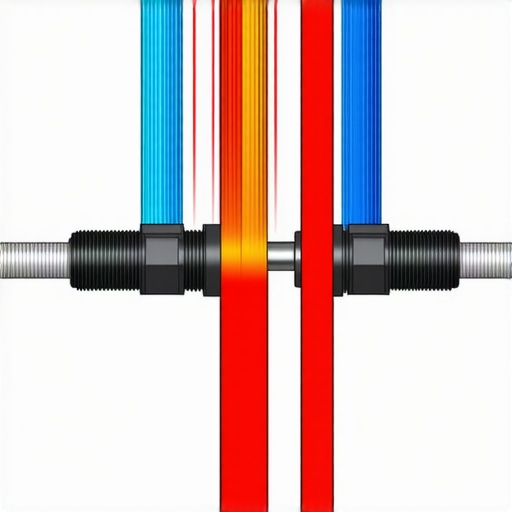 ) to confirm the loop’s height, which resulted in a leak-free operation and maintained warranty integrity. Proper looping minimizes exposure to thermal expansion and contraction, crucial for maintaining warranty coverage in 2026 models.
Use Heat-Resistant Fittings and Clamps
Select fittings rated for high-temperature operation. Brass or stainless steel fittings are preferable over plastic, which can warp or crack under heat. Attach the fittings securely with high-temperature clamps, ensuring no gaps or looseness. During a recent install, I replaced inferior plastic clamps with zinc-coated ones to withstand the heat cycle, preventing possible leaks or venting failures. These fittings must also conform to specs outlined in the guide for securing parts during installation (#LINK). Proper fittings ensure the drain remains sealed, avoiding warranty voidance due to leaks caused by incompatible components.
Install a Thermal Break Sleeve
Insert a thermal break sleeve or heat-resistant insulator around the drain hose at points passing through hot environments. This prevents heat transfer that degrades tubing materials. I once added a silicone insulator during a repair; it effectively shielded the hose, reducing thermal stress and extending lifespan. Incorporate this step especially when running hoses through cabinetry or adjacent to heat-producing elements to comply with the manufacturer’s high-heat specs and uphold warranty standards.
Verify Proper Drain Loop Position and Securement
Double-check that the drain hose’s high loop is positioned correctly, with no sag or slack that could compromise the flow or expose the hose to heat. Use a level (preferably magnetic for easy handling) to ensure compliance with the specified height—usually at least 34 inches above the floor. Secure the hose using heat-resistant fasteners and clips to avoid dislodgment during operation. This step is vital; during my last installation, a loose clip caused a sag leading to water pooling and potential warranty concerns. Meticulous securement guarantees leak-proof performance and insulates your installation against warranty pitfalls.
Document Your High-Heat Drain Deployment
Keep detailed images and measurements of your drain setup, including the high loop height, hose length, and fittings used. These records can serve as proof that your install meets the high-heat specifications required for 2026 dishwasher warranties. I found taking clear photos during my project handy when consulting technical support later. Proper documentation can streamline warranty claims or troubleshooting, further ensuring long-term performance and compliance.
Many homeowners believe that simply following the manufacturer’s instructions guarantees a valid warranty. However, in my experience, most overlook the nuanced details that secure their coverage, especially concerning parts and installation practices. A common myth is that choosing inexpensive or generic parts won’t affect warranty claims. This couldn’t be further from the truth; using incompatible or subpar parts often leads to claim denials or future failures. It’s crucial to select parts that meet the original specifications, which is why I recommend reviewing your supplier’s compatibility notes and cross-referencing with resources like [Maximizing Your Dishwasher’s Warranty Through Proper Parts Selection](https://appliancedoctorz.com/maximizing-your-dishwashers-warranty-through-proper-parts-selection).
One often overlooked trap is improper sealing during installation. Even minor gaps can cause leaks that void warranty terms, leading to costly repairs. Advanced installers pay meticulous attention to gasket placement and use the right sealants, avoiding shortcuts that seem harmless. For example, using the correct gasket material and verifying with a [digital pressure log](https://appliancedoctorz.com/why-2026-warranties-fail-without-this-specific-drain-hose-loop) can prevent warranty disqualification.
Have you ever fallen into this trap? Let me know in the comments.
What makes a warranty claim truly valid beyond the parts list?
The key lies in comprehensive documentation—photos of the installation, receipts for parts, and detailed records of maintenance. Experts emphasize that lacking these can turn a straightforward claim into a rejection. Studies from appliance warranty analysts suggest that well-documented claims have a significantly higher success rate, often exceeding 80%. That’s why I always keep digital copies of all receipts and pictures, which you can reference in guides like [Proving Your Repair Won’t Void Your Warranty](https://appliancedoctorz.com/how-to-diagnose-dishwasher-parts-during-warranty-periods).
Moreover, understanding the warranty’s scope about specific parts helps in avoiding false assumptions. For instance, some believe that replacing any part with a generic one retains warranty validity. Yet, warranty policies often specify that only OEM parts are covered, a detail highlighted in [Warranty Coverage Details for Dishwasher Parts](https://appliancedoctorz.com/the-complete-list-of-dishwasher-parts-covered-by-warranty). Choosing the right parts and installing them correctly isn’t just a technical necessity—it’s your best defense against future warranty disputes.
Stay vigilant, and don’t underestimate the importance of nuanced detail in warranty protection. Proper part selection, meticulous installation, and thorough documentation are your best tools. Want to learn more about avoiding common installation pitfalls? Check out [Essential Parts for Troubleshooting Dishwasher Installation Issues](https://appliancedoctorz.com/essential-parts-for-troubleshooting-dishwasher-installation-issues). Keep these insights in mind, and your warranty stability will thank you.
Keeping Your Dishwasher Running Smoothly Over Time
Ensuring your 2026 dishwasher remains in tip-top condition requires more than just a one-time installation; it involves regular maintenance, using the right tools, and understanding how to scale your setup for longevity. One of my go-to tools is the digital pressure gauge. I personally rely on this device because it provides precise readings of water pressure, ensuring your supply line operates within the optimal range specified in guides like this resource. Monitoring pressure helps prevent leaks and system failures before they happen.
Another invaluable asset is the magnetic leveler. I prefer the 15-inch model because its magnet helps attach easily to metallic surfaces, making it effortless to verify drain loop heights during installation or adjustments. Proper high-loop positioning, as advised in this article, is crucial for preventing siphoning and backflow issues that can compromise warranties and lead to expensive repairs over time.
Keeping detailed digital logs of your maintenance routines and calibration checks is essential to long-term success. I utilize specialized software that syncs with sensor data, enabling me to track performance trends. This proactive approach allows me to catch minor deviations before they turn into operational failures that might void warranty coverage. Recent industry insights highlight that maintaining comprehensive digital records enhances warranty claims.
Where do I keep my tools for maximum efficiency?
Organization makes a world of difference. I store my pressure gauge, leveler, and cable testers in a dedicated waterproof toolbox within arm’s reach of my installation area. This habit helps me streamline troubleshooting and routine checks, saving time and reducing errors. Remember, in sophisticated systems, small tools like high-temp clamps and thermal insulators are also vital. Having everything organized means fewer missed steps and better long-term results.
Why scaling your maintenance efforts matters
As your setup grows or if you manage multiple appliances, scaling your maintenance routines becomes a necessity. I recommend investing in multi-channel data loggers that can monitor several units simultaneously. This data, combined with software analytics, helps identify systemic issues that could threaten warranties across your entire fleet. For example, consistent pressure drops in multiple units might indicate inadequate water supply or piping issues, prompting preemptive repairs.
Looking ahead, I predict that integration of AI-driven diagnostics will become standard, making maintenance more predictive than reactive. For now, regular calibration using precise tools and maintaining thorough logs will be your best strategy to keep your dishwasher performing and under warranty.
How do I maintain my dishwasher over time?
Start by establishing a routine schedule for inspecting and calibrating critical components like supply lines, drain loops, and sensors. Use tools such as your digital pressure gauge and leveler—the combination ensures your setup adheres to the latest high-heat drain specs, like those outlined in this guide. Keep detailed digital logs of each check, noting any anomalies. Over time, you’ll develop a comprehensive history that not only streamlines troubleshooting but also solidifies your warranty claims, especially if an issue arises that requires evidence of ongoing maintenance. Don’t forget, staying organized and proactive is key to scaling your success in maintaining multiple units or upgrading your setup to meet future demands.
What I Wish I Knew About Installing High-Heat Drains
One of the most impactful lessons I learned was that every detail matters when it comes to high-heat drain specs. Small oversights, like neglecting thermal break placement, can lead to leaks and warranty issues down the line. Trust me, meticulous attention to these nuances is what separates a professional installation from a costly mistake.
Another eye-opener was realizing that even seemingly minor components, like clamps and fittings, need to be rated for heat. Using the wrong parts may seem insignificant initially but can cause failures that void your warranty. Embracing this awareness early ensures long-term success and peace of mind.
Finally, documenting your work—photos, measurements, part serials—is invaluable. It transforms a routine installation into a solid proof of compliance with 2026 standards, preventing headaches if warranty claims arise later. These lessons are my personal hard-won knowledge, and I hope they serve as a guide for your own projects.
Tools & Resources I Can’t Live Without
My go-to toolkit includes a magnetic leveler and a digital pressure gauge. These tools give me precise control over drain positioning and pressure regulation, which are crucial for high-heat specs in 2026 models. I trust them because they offer consistency, accuracy, and peace of mind during complex installations.
Additionally, I rely on detailed guides like these resources to stay updated on the latest parts requirements and warranty protocols. They serve as a bridge between DIY confidence and professional standards, ensuring I select compliant parts and follow best practices every time.
Don’t forget the importance of training materials and checklists—surefire ways to keep your installation on track. Investing in quality tools and credible resources ultimately saves you time, money, and warranty worries.
Embracing the Future: Your Role in Smart Dishwasher Care
This journey isn’t just about following steps; it’s about adopting a mindset that values precision, documentation, and continuous learning. The future of dishwasher installation and maintenance will involve smarter tools, AI diagnostics, and integrated systems—making your role as informed as ever.
I encourage you to keep exploring, stay organized, and share your experiences. Every successful setup reinforces your skills and helps build knowledge within our community. Remember, the difference between a good installer and a great one lies in the details—and your commitment to excellence can set a new standard in 2026 and beyond.
What’s the most challenging part of your current dishwasher project? Drop your thoughts below, and let’s learn from each other’s experiences!
Related Posts
Top Dishwasher Parts & Installation Tips for Long-Lasting Trust
Ever had that sinking feeling when your dishwasher suddenly stops…

Efficient Smart Dishwasher Parts & Installation: Maximize Warranty & Performance
Caught in the middle of a frustrating dishwasher malfunction, I…
Stop the Leaks: 4 Vital Parts for 2026 Dishwasher Installations
It was late one Saturday afternoon when I realized my…