
I still remember the night my kitchen floor became a shallow pond. My top-of-the-line smart dishwasher had decided, after exactly eighteen months of flawless service, that it no longer knew if there was water inside it. The sensor had failed. I was furious. I had spent extra for the smart features, thinking they would make my life easier, but there I was with a mop and a sour mood. I had made the classic mistake of assuming technology equals durability. In reality, I was contributing to the problem every time I ignored the basics of effective maintenance. It is a bitter pill to swallow when you realize you have been sabotaging your own investment. Today, I am going to pull back the curtain on why these delicate sensors give up the ghost so early and what you can do to keep yours alive.
Why Your High-Tech Machine is Quitting So Soon
The truth is, these sensors are like tiny, sensitive eyes living in a hurricane of hot grease and chemical detergent. One of my biggest early blunders was thinking I could skip the hard water checks. I figured the smart tech would just calibrate itself around the lime scale. It did not. Instead, the scale coated the sensor until it was essentially blind. You might notice why your smart sensors are giving you dirty readings on your display, or perhaps your unit just refuses to start. Most people think they need a whole new machine, but usually, it is just a cheap part and a bit of know-how. Have you ever seen that OE or HE error code and felt your heart sink? You are definitely not alone in that frustration.
Is all this smart technology actually worth the headache?
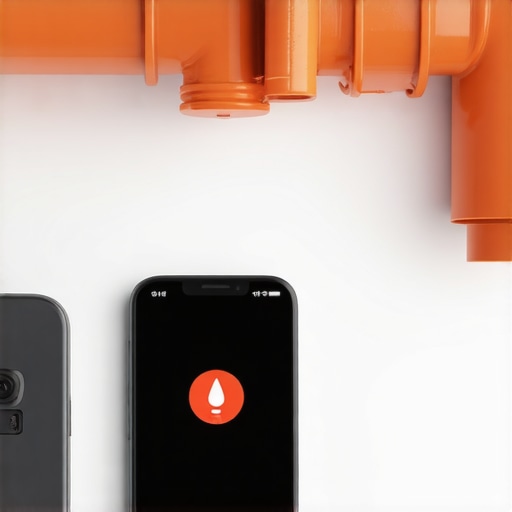
It is a fair question. Why buy something that seems destined to fail? The irony is that smart sensors can actually save your kitchen from a disaster, like the leak detection sensor that stops a flood before it ruins your subfloor. But they are fragile. Industry data from the Association of Home Appliance Manufacturers suggests that while mechanical parts often last a decade, electronic components in high-moisture environments have a significantly higher failure rate within the first three years. If you want to avoid a massive repair bill, you need to know how to diagnose these parts while you are still covered. Don’t wait until the warranty coverage expires to start paying attention to the strange beeps your machine makes. We are going to walk through the specific habits that kill these sensors and how a few simple installation tweaks can add years to their life.
Fix the Installation Before You Blame the Tech
Many of the errors we attribute to faulty computer chips are actually physical installation failures. I once spent an entire Saturday afternoon resetting my machine’s firmware because the dirty water sensor would not stop screaming at me. I was certain I would need to learn how to spot a fake replacement part before it fries your control board because the OEM brain was clearly dying. In reality? A tiny, clear sticker from a new Tupperware lid had wrapped itself around the the 15 dollar sensor that stops your smart dishwasher from overfilling. It took five seconds to peel off, but it cost me hours of sanity. Before you assume the worst, you need to verify the parts to check when installing a dishwasher for long-term performance. This starts with the water source. There is a critical reason to flush your water lines before hooking up a new machine: copper shavings or solder flux from new plumbing can travel straight into the intake valve, clogging it instantly. This is precisely why your professional installer insists on a new water valve every single time. Reusing a five-year-old valve is like putting old, dirty oil into a brand-new Ferrari engine; it is just asking for a breakdown.
Why That High Loop is Your Best Friend
If your dishwasher smells like a swamp and the sensors are constantly complaining about drainage, the culprit is likely your plumbing geometry. I have seen countless DIY jobs fail because they ignored the drainage path. You must understand the benefit of using a high loop vs an air gap for drainage. Without that physical loop or gap, dirty sink water can backflow into your clean dishwasher. 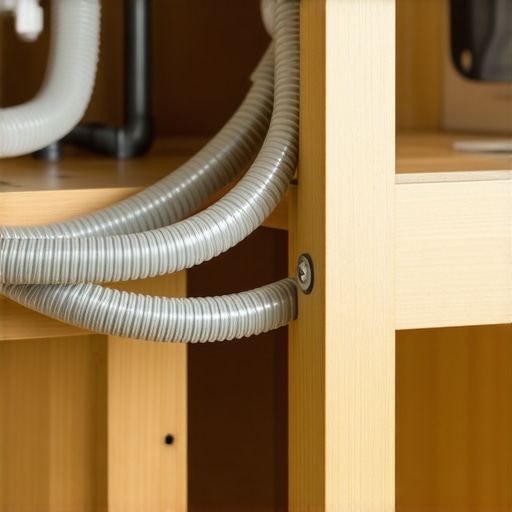 This is not just about hygiene; it is about protecting the electronics. Sensors sitting in stagnant, dirty water will corrode or calibrate incorrectly. In fact, why your warranty policy doesnt cover improper drainage loops is a common point of contention. If a technician sees that your hose is sagging under the sink, they will likely deny your claim on the spot, blaming the installation rather than the part.
Winning the Warranty Game
Maintenance is half the battle, but documentation is the other half. Knowing the essential parts every dishwasher owner should know about helps you speak the same language as the repair service. When things go south, do not just call and complain. You need to know how to get your warranty claim approved on the first try. This involves taking photos of the error codes, keeping your original receipts, and proving that you have maintained the filters. Most people treat their dishwasher like a trash can, then get angry when the sensors fail. If you treat it like the precision instrument it actually is, those sensors will serve you for years instead of months.Let’s get into the stuff most ‘experts’ won’t tell you because it sounds counterintuitive. Everyone tells you that hard water is the enemy of appliances. And while I’ve previously discussed the impact of hard water on your warranty eligibility, there is a flip side that no one warns you about. In my years of tinkering, I’ve found that why soft water is ruining your dishwasher interior faster than hard water is a very real, very expensive phenomenon. When the water is too ‘hungry’ because it has been stripped of all minerals, it starts to leach ions from your glassware and even the metal components of the machine itself. This leads to permanent, cloudy etching that no amount of vinegar can fix. A recent technical bulletin from the American Cleaning Institute notes that over-softened water combined with high-heat cycles creates a chemical environment so aggressive it actually dissolves the protective silica layer on your plates. You think you’re being kind to your machine by installing a massive softener, but you might be dissolving your investment from the inside out. 
The Suds Lock Trap and the Eco-Mode Myth
The biggest ‘oops’ factor I see with high-tech units is the ‘Detergent Overdose.’ Most modern pods are designed for full loads of heavily soiled dishes in standard water. If you’re running a light cycle with soft water, that pod is total overkill. This creates a ‘suds lock,’ where the pump cannot move water because it is spinning through a mountain of foam instead of liquid. It’s a common reason why your unit refuses to drain even after cleaning the filter. It isn’t a mechanical clog; it’s an air-locked pump caused by too much soap. Furthermore, this excessive foam is why the eco mode might be leaving grit on your plates. The reduced water usage in eco-mode simply cannot rinse away the chemical residue, leaving a nasty film that damages the sensors over time. According to the 2023 AHAM Consumer Research report, nearly 30% of dishwasher malfunctions are attributed to improper detergent usage rather than actual component failure.
Why your warranty covers parts but still leaves you broke
There is a nuance in the fine print that catches everyone off guard. You might have a ‘full warranty,’ but you need to understand what your dishwasher warranty doesnt cover and how to avoid fees. The most common shocker is the ‘Trip Fee.’ Even if the manufacturer agrees that your motor failed, they will often only ship the part for free. You are still on the hook for the labor and the technician’s travel time. This is why your warranty covers parts but not the 150 dollar service trip fee. If you aren’t prepared for that bill, the ‘free’ repair can still cost you a few hundred dollars. Before you call for help, make sure you know how to diagnose dishwasher parts during warranty periods yourself so you don’t pay a pro just to tell you the filter was dirty.
Can you actually skip the service fee if you do the labor yourself?
It is a tempting thought. If they send the part, why not install it? However, understanding dishwasher warranty policies for peace of mind means realizing that uncertified labor usually voids the remainder of your coverage. If you replace the pump yourself and the machine leaks a week later, the manufacturer will wash their hands of any responsibility. It is a calculated risk. Have you ever fallen into this trap of paying more for the ‘free’ repair than the part was actually worth? Let me know in the comments.I’ve realized that the difference between a homeowner who panics and one who stays calm is exactly one tool: a basic digital multimeter. If you want to stop guessing and start knowing, this is your secret weapon. I personally use a digital model because it is rugged enough for a damp kitchen floor and provides clear, instant readings. When my unit wouldn’t even turn on, I didn’t call a pro; I followed the steps for how to test your thermal fuse with a basic multimeter and found the ten dollar culprit in minutes. Without this, you’re just throwing money at the most popular dishwasher parts hoping one of them sticks. You also need to know how to find your units hidden model number for replacement parts because a close-enough fit is a recipe for a control board fire.
Why Your Shop Vac is More Important Than Your Wrench
Most drainage issues aren’t mechanical failures; they are physical blockages that a simple snake cannot reach. I’ve found that why a shop-vac is the best way to clear a clog is a lesson every DIYer learns eventually. By creating a seal at the drain hose, you can pull out debris that has bypassed the drain pump filter you didnt know existed. This is far safer than the proper way to snake a dishwasher drain without damaging the pump, which can easily puncture the flexible plastic lines. According to the Bosch SHP865WD5N Service Manual, maintaining a clear path for the impeller is the single most effective way to prevent motor burnout. If you feel a thumping or a humming, you aren’t just hearing noise; you’re hearing a pump struggling to breathe. 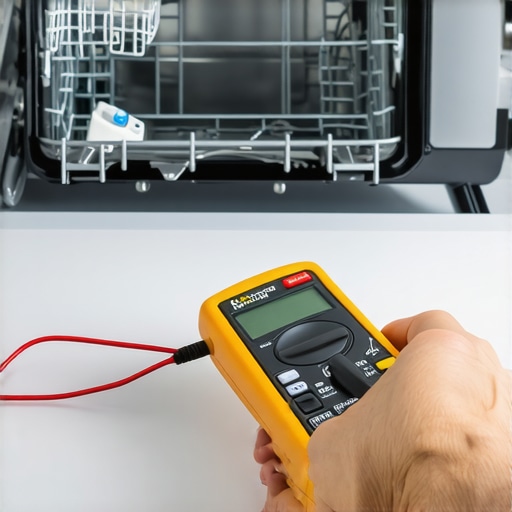
How do I maintain these high-tech components for the long haul?
Longevity is about consistency, not intensity. You don’t need to deep-clean every week, but you must perform the one maintenance task that doubles the life of your gasket: wiping away the hidden detergent grit that acts like sandpaper on the rubber seal. Also, stop using vinegar for every clean; it is too acidic for certain seals. Instead, use the proper way to clean your unit without harsh chemicals. Looking forward, I predict we will soon see self-healing sensors that use ultrasonic pulses to clear scale without human intervention. Until then, you are the brain of the operation. If you notice the spray arm alignment error that leaves the top rack dirty, don’t wait for a total failure. Take the three minutes to perform the 3-minute hack to clear your spray arm nozzles. My advanced tip for you today? Go pull your dishwasher out just six inches and check the tension on the door cables; it is the best way to prevent a heavy door from slamming and cracking your control panel.
Hard Lessons I Learned While Mopping My Floor
After years of dealing with flooded tiles and cryptic error codes, I’ve realized that the smartest feature in your kitchen isn’t the Wi-Fi connection—it’s your own awareness. One major epiphany I had was that more technology means more points of failure, not necessarily a better clean. I used to think I could outsmart the system by using extra detergent for ‘extra clean’ dishes, but I was just setting myself up for a suds lock that the sensors couldn’t handle. Another lightbulb moment came when I realized that what your dishwasher warranty doesnt cover and how to avoid fees is often the most expensive part of the repair. If you don’t have a record of cleaning your filters, the manufacturer has every right to walk away. Treat your dishwasher like a high-performance engine; it needs clean fuel, the right lubricants, and a watchful eye on the gauges.
My Reliable Toolkit for Stopping a Flood Before It Starts
You don’t need a van full of tools to keep your appliance running like new. I recommend every homeowner keep three specific items on hand. First, a digital multimeter is non-negotiable; it is the only way to perform a real check on how to test your thermal fuse with a basic multimeter without just guessing. Second, a wet-dry shop vac is the most efficient way to pull debris out of a stagnant drain line. Finally, always keep a spare, high-quality water valve in your junk drawer. I trust these tools because they move you from a state of ‘hoping it works’ to ‘knowing it works.’ #IMAGE_PLACEHOLDER_E# When you are parts to check when installing a dishwasher for long-term performance, having these ready can turn a weekend disaster into a ten-minute fix.
Take the First Step Toward a Stress-Free Kitchen
It is easy to feel intimidated by the complex wiring and delicate sensors of a modern machine, but remember that you are in control. By mastering the basics of effective maintenance and staying proactive about installation flaws, you can extend the life of your unit by years. Don’t wait for the next beeping alarm to take action; peek under your sink today and check that drainage loop. You have the knowledge now to ensure your investment stays where it belongs—working quietly in the background while you enjoy your life. Have you ever had a smart sensor fail on you just after the warranty expired? Let me know your story in the comments below.
Related Posts
Why Your Dishwasher App History Is a Proof of Care for Resale
One evening, I opened my dishwasher's app to check its…
Why Your Dishwasher App History Helps During a Resale Inspection
Have you ever struggled to prove your dishwasher was well-maintained…
Why your smart app is reporting a leak that is not there
I'll never forget the moment I heard that alarming warning…