
Ever had that frustrating moment when your smart home app stubbornly insists your dishwasher is still running, even after you’ve pressed pause? I’ve been there—not once, but multiple times. One evening, I was about to relax after dinner, only to see my app ping me that the dishwasher was still mid-cycle. The thing is, I knew it wasn’t—that cycle had long finished. That’s when I realized something was off.
The Mystery of the Perpetually Running Dishwasher
It’s surprisingly common. Smart appliances, while convenient, can be peculiar when they misreport their status. The root cause often isn’t a malfunction but a glitch—something as simple as a sensor misreading or a software update gone wrong. But why does this happen, and more importantly, how can we fix it myself? Today, I promise to unravel this mystery, sprinkling in tips from my experience and trusted sources.
Will This Fix Actually Work or Is It Just Overhyped?
Early in my journey troubleshooting, I made the mistake of ignoring basic connections and jumping straight to complex fixes. Trust me, starting with the simpler checks, like inspecting the door latch and sensors, makes all the difference. This approach not only saves time but also prevents unnecessary expenses. For comprehensive guidance, check out this article on dishwasher preparation.
Have you faced this issue where your smart app keeps showing the machine as active, despite it being silent and still? If so, keep reading. We’re about to dive into practical steps that will help you regain control and confidence in your smart appliance.
Start with a Power Cycle
Unplug your dishwasher from the power source, wait for about 5 minutes, then plug it back in. This simple reset can clear minor software glitches that cause status misreporting. I once did this after noticing my app still showed the dishwasher as running. The reset fixed the false status, saving me a technician call.
Verify the Door Latch and Sensor
Check if the door is fully closed and the latch engages properly. A faulty latch sensor can keep the control board thinking the door is open, which halts cycle progress. I once wiggled my door latch and cleaned the sensor with a soft cloth; the problem vanished. For detailed sensor checks, see this guide on troubleshooting parts.
Inspect the Control Panel and Error Codes
Many dishwashers display error codes or flashing LEDs indicating specific issues. Consult your manual to interpret these signals. Sometimes, a firmware glitch causes the control panel to freeze. In my case, a quick press of the reset button on the control board resolved the problem. For more on control panel diagnostics, visit this troubleshooting resource.
Check the Water Supply
Ensure the water inlet valve isn’t blocked and the water supply line isn’t kinked or clogged. Reduced water flow can cause the cycle to stall, misleading the app into thinking it’s ongoing. I once cleared a clogged filter on the inlet valve, and the cycle proceeded smoothly. For a comprehensive checklist, review this installation parts list.
Examine and Replace Faulty Parts
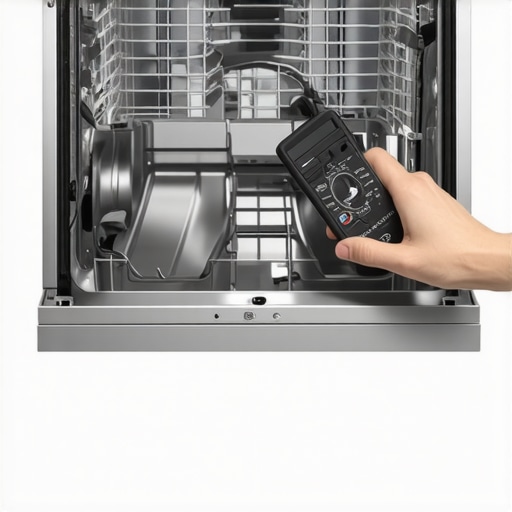
If the above steps don’t resolve the issue, consider testing or replacing key components like the thermal fuse, door springs, or main control board. Use a multimeter to diagnose electrical continuity. I once replaced a faulty door spring that caused miscommunication in cycle status. For a detailed part replacement guide, see this resource on parts and replacements.
Consider Firmware Updates
Check if your smartphone app or dishwasher firmware is up-to-date. Manufacturers often release updates that fix bugs causing status errors. I updated my dishwasher’s firmware through the manufacturer’s app, which eliminated persistent false ‘running’ alerts. For step-by-step update instructions, visit this update guide.
Seek Professional Support if Needed
If problems persist after these steps, contact a professional technician. Document the steps you’ve taken to help expedite diagnosis. Reliable support can prevent further issues and preserve your warranty. For assistance, visit this contact page.
Many homeowners believe that warranty coverage and selecting replacement parts are straightforward aspects of appliance ownership, but in reality, there’s a web of nuances that can trip up even the most experienced DIY enthusiasts. Understanding these subtleties can save you time, money, and frustration—so let’s dig deeper into what most people get wrong about dishwasher warranties, parts, and installation.
Do All Parts Get Equal Treatment Under Warranty?
Contrary to common belief, not every component in your dishwasher is covered equally. Manufacturers often specify coverage for major parts like the control board, pump, or heating element, while other components, such as door seals or filters, might be considered wearable items excluded from warranty. For instance, understanding what your warranty encompasses can prevent costly disputes; always review the list of covered parts to know your protections.
Another misconception is that warranty coverage is automatic or universal across all brands and models. In reality, warranty terms can vary significantly—even within the same manufacturer—so verifying the specific warranty policy for your appliance is critical. To maximize your coverage, consult the detailed warranty policies and keep documentation in order.
Getting the Parts Right Is About More Than Just Compatibility
Many think that simply buying OEM parts guarantees optimal performance, but this is a dangerous oversimplification. The real nuance lies in selecting parts suited for your specific model and usage conditions. Choosing the wrong water inlet valve or spray arm can lead to premature failure or poor cleaning results. For guidance on selecting the right components, check out this comprehensive guide.
Additionally, aftermarket parts are often perceived as inferior; however, some high-quality third-party components can match OEM standards at a fraction of the cost. It’s essential to evaluate their compatibility and reviews before making a purchase. When in doubt, cross-reference part numbers through trusted resources or consult with a professional.
Installation Practices That Make or Break Your Warranty Claims
Improper installation is a leading cause of warranty voidance, yet many overlook the importance of correct procedures. For example, neglecting to use proper water supply hoses or forgetting to level the machine can cause leaks or operational issues, which may be blamed on defective parts rather than installation errors. Expert advice suggests always referencing best installation practices to safeguard your warranty.
One of the most commonly missed steps is ensuring the high loop in the drain hose is correctly positioned—this simple step prevents siphoning issues and protects your warranty from claims of improper drainage. Similarly, securing electrical connections and sealing all access panels properly are critical for compliance with manufacturer instructions. Skipping these steps might seem minor but can have significant repercussions.
Before moving forward with DIY repairs or installation, consider reviewing the detailed professional leveling techniques to prevent costly damages down the line.
Lastly, remember that keeping meticulous records of your installation process, including photos and receipts, can be invaluable when making warranty claims or dealing with disputes. Proper documentation demonstrates your adherence to manufacturer standards and can expedite support from support centers.
In summary, navigating warranty and parts selection requires attention to detail, awareness of coverage limits, and adherence to best installation practices. By understanding these nuanced aspects, you can ensure you get the most out of your dishwasher and avoid common pitfalls that lead to needless expenses. Have you ever fallen into this trap? Let me know in the comments, and stay alert to these hidden complexities—your wallet will thank you.

Why Precision Tools Make All the Difference in Dishwasher Maintenance
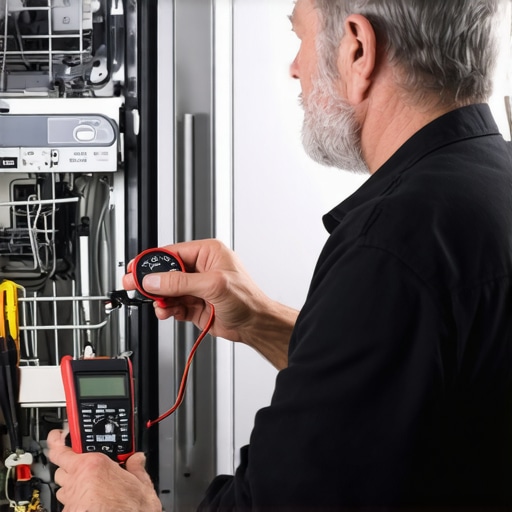
Maintaining a dishwasher effectively requires more than just basic know-how; it demands the right tools. I personally swear by a high-quality multimeter for diagnosing electrical issues like faulty sensors or control boards. Unlike generic testers, my multimeter allows me to precisely measure voltage, resistance, and continuity, providing peace of mind and accurate diagnostics. Investing in a well-calibrated multimeter, such as the Fluke 117, has saved me countless service calls and unnecessary part replacements, making it a cornerstone of my maintenance toolkit.
Get Hands-On With Specialty Cleaning Equipment
Motor and sensor cleanliness are critical for long-term performance. I recommend a soft brush set specifically designed for electronic contacts and sensors, coupled with a gentle cleaning solution like isopropyl alcohol. This combo helps remove residual grime without risking damage. Regularly cleaning components such as the turbidity sensor or spray arms prevents misreads and cycle errors, as outlined in this troubleshooting guide. Over time, maintaining these parts can extend your dishwasher’s lifespan and minimize costly repairs.
Tools for Long-Term Upkeep and Upgrades
An essential upgrade I’ve adopted is a digital level with laser alignment capabilities. Proper leveling ensures the door seals tight, prevents leaks, and reduces vibration, which can cause component failure. I particularly like the Bosch Digital Spirit Level because it offers precision down to 0.1 degrees—a feature that’s invaluable during initial installation and periodic checks. As you grow more confident with these adjustments, you’ll notice fewer operational hiccups and a better washing experience.
Monitoring Performance from a Distance
Smart gadgets are transforming maintenance routines. Using Wi-Fi-enabled tools like the SensorPush wireless thermometer allows me to track water temperature and cycle duration remotely. This proactive approach helps spot issues before they escalate, such as unusual temperature drops or delays. As these technologies evolve, I predict that future maintenance will become fully automated, with AI detecting anomalies and alerting homeowners instantly—reducing downtime and preventing damage.
How do I maintain my dishwasher’s performance over time?
Regularly inspect and replace wear items like door seals, filters, and spray arms before they lead to leaks or poor cleaning. Keep all electrical contacts and sensors clean with a soft brush and alcohol-based cleaner, ensuring reliable sensor communication. Periodic leveling with a digital level ensures airtight seals and stable operation. Additionally, investing in diagnostic tools like a multimeter enables precise identification of electrical faults, saving both time and money.
Remember, combining these tools with consistent routine checks guarantees your dishwasher remains efficient and trouble-free for years to come. For advanced techniques on installing or upgrading parts, explore this comprehensive guide on installation best practices. Don’t hesitate to incorporate these tools into your maintenance routine—your appliance will thank you for it.
Looking ahead, the integration of smart diagnostics paired with AI will likely revolutionize appliance maintenance—from predictive failures to automated repairs. Staying ahead with these tools ensures you’re prepared for the future of home appliance care. Try calibrating your dishwasher’s leveling with a digital level this weekend, and experience the difference proper setup makes in longevity and performance.
,
3 Lessons That Shook My Confidence in DIY Repairs
- Not all warranty coverage is equal: I used to assume that every part was covered, but discovering which components are protected saved me from unnecessary expenses and frustration. Always review your warranty details to know your real protections.
- Compatibility isn’t everything: I once bought a high-quality aftermarket water inlet valve, only to find it caused more issues because it wasn’t designed specifically for my model. Personal experience taught me that verifying compatibility is crucial, regardless of brand reputation.
- Installation mistakes can negate your warranty: Skipping proper setup steps, like neglecting the high loop in the drain hose, led to leaks that my warranty didn’t cover. Carefully following installation best practices protects your investment and peace of mind.
My Go-To Tools and Resources for Dishwasher Success
- Fluke Multimeter: I trust this tool for its precision in diagnosing electrical issues, which is essential for effective troubleshooting and avoiding unnecessary replacements.
- Comprehensive Repair Guides: The articles found on this site and others provide step-by-step instructions that demystify complex repairs, saving me time and money.
- Manufacturer Support Websites: Vetting parts and guides directly from the manufacturer helps ensure accuracy and warranty compliance, reducing the risk of costly mistakes.
Your Next Step Towards Confident Dishwasher Care
Armed with lessons learned, the right tools, and trusted resources, you’re now better prepared to handle your dishwasher’s quirks and protect your warranty. Remember, proactive maintenance and informed decisions are your strongest allies. Take control today—your dishwasher’s longevity and your peace of mind depend on it.
Have you ever faced a warranty dispute or installed a part only to find it incompatible? Share your experiences below and let’s learn together!
Related Posts
Why your smart app is reporting a leak that is not there
I'll never forget the moment I heard that alarming warning…
Why Your Dishwasher App History Helps During a Resale Inspection
Have you ever struggled to prove your dishwasher was well-maintained…

Why Your Smart Home Hub Cant Find Your Dishwasher
Ever experienced that frustrating moment when your smart home hub…